Are you wondering how government rules affect the stablecoins you might use to earn passive income? This article breaks down what stablecoin regulation is, how it works, and what it means for anyone looking to earn online with these digital dollars.
The plain explanation
A stablecoin is a type of cryptocurrency designed to keep its price stable, usually by being pegged to a fiat currency like the U.S. dollar or a basket of assets. Unlike Bitcoin, whose value can swing wildly, stablecoins aim to stay within a narrow range—often within 1 % of the reference asset. They achieve this stability through various mechanisms:
- Fiat‑backed: The issuer holds reserves of the underlying currency (e.g., $1 million in a bank account for every $1 million of tokens issued).
- Crypto‑backed: The token is collateralised by other cryptocurrencies, over‑collateralised to absorb price volatility.
- Algorithmic: Smart contracts automatically expand or contract supply based on market demand.
Because stablecoins can be transferred instantly and at low cost, they have become popular for everyday payments, cross‑border remittances, and as a base layer for earning strategies such as yield farming, staking, or interest‑bearing accounts. However, their close link to traditional money also draws the attention of regulators who want to ensure consumer protection, prevent money‑laundering, and preserve financial stability.
What stablecoin regulation looks like
Regulators approach stablecoins from several angles:
- Reserve transparency: Issuers may be required to publish regular audits proving that they hold sufficient reserves to back every token in circulation.
- Licensing: Companies that issue or manage stablecoins often need a money‑transmitter or banking licence, subjecting them to the same supervisory standards as traditional financial institutions.
- Consumer safeguards: Rules may dictate how disputes are handled, how funds are protected if the issuer fails, and what disclosures must be made to users.
- Anti‑money‑laundering (AML) and know‑your‑customer (KYC): Platforms that allow users to buy, sell, or transfer stablecoins typically must verify identities and monitor transactions for suspicious activity.
- Cross‑border coordination: Since stablecoins can move instantly across jurisdictions, regulators often work together to avoid regulatory arbitrage.
A real example
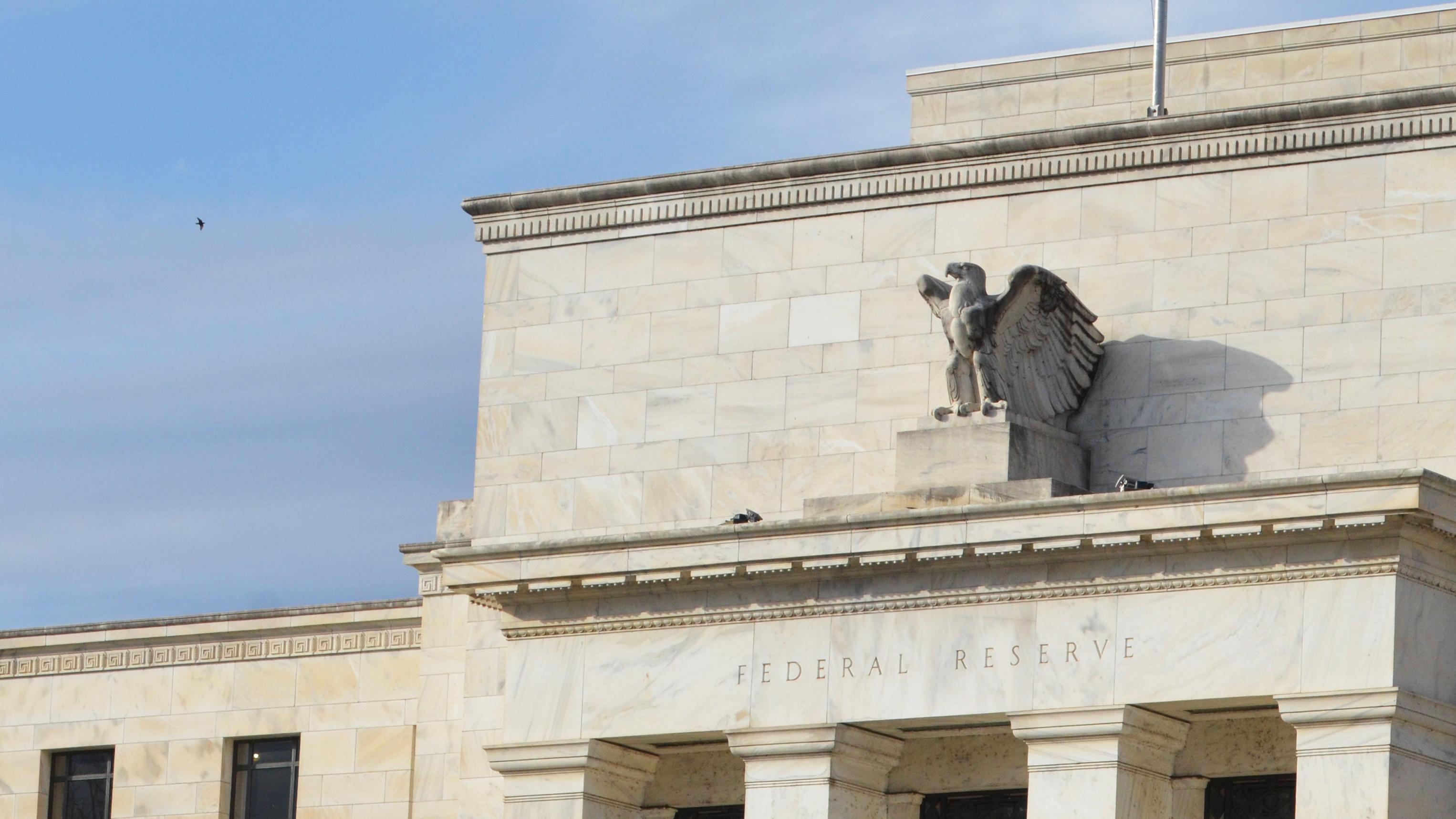
In March 2026, the U.S. Federal Reserve moved forward with proposals to implement the GENIUS Act, a legislative framework that would place stablecoins under a clearer regulatory regime. The act aims to define stablecoin issuers as “financial entities” subject to federal oversight, requiring them to maintain audited reserves and obtain appropriate licences. While the legislation is still being debated, it signals a shift toward more uniform rules for stablecoins in the United States.
What it means for you
If you are using stablecoins to earn passive income—whether through interest‑bearing accounts, liquidity provision, or tokenised savings—regulatory changes can affect both the safety of your funds and the returns you see. Clearer rules often mean:
- Greater confidence that the stablecoin’s backing is real, reducing the risk of a sudden “peg break.”
- Potentially higher compliance costs for issuers, which could be passed on as fees or lower yields.
- More reliable consumer protection mechanisms if an issuer runs into trouble.
On the flip side, stricter regulation could limit the number of stablecoins available in a given market, narrowing your choice of platforms.
What to check before you earn
When evaluating a stablecoin‑based earning opportunity, keep an eye on these concrete factors:
- Reserve audits: Look for recent, third‑party audit reports that verify the issuer’s reserves match the circulating supply.
- Licensing status: Confirm whether the issuer holds a recognised money‑transmitter, banking, or fintech licence in your jurisdiction.
- Regulatory compliance: Check if the platform follows AML/KYC rules and whether it has been flagged by regulators.
- Fee structure: Understand any custody, withdrawal, or performance fees that may affect net earnings.
- Smart‑contract risk: For algorithmic or crypto‑backed stablecoins, assess the code audit history and any past exploits.
FAQ
Do stablecoins really stay at $1?
Most fiat‑backed stablecoins aim to maintain a 1:1 ratio with the U.S. dollar, but market pressures, reserve shortfalls, or technical failures can cause temporary deviations.
Is earning interest on stablecoins safe?
Interest‑bearing accounts are generally safer than high‑risk yield farms, but they still depend on the issuer’s solvency and regulatory environment. Look for audited reserves and a licensed provider.
Will new regulations make stablecoins more expensive?
Compliance costs can lead to higher fees or lower yields, but they also bring greater transparency and consumer protection, which many users value.
Can I use stablecoins for cross‑border payments without a bank?
Yes, stablecoins enable fast, low‑cost transfers across borders, but you should ensure the platform you use complies with local AML/KYC rules to avoid interruptions.
This article references reporting from coindesk.com.