Do you wonder how the rules governing digital assets affect your ability to earn, invest, or borrow online? This article breaks down the five core digital rights proposed for the emerging digital economy and explains how they shape the opportunities for everyday earners.
What are the five digital asset rights?
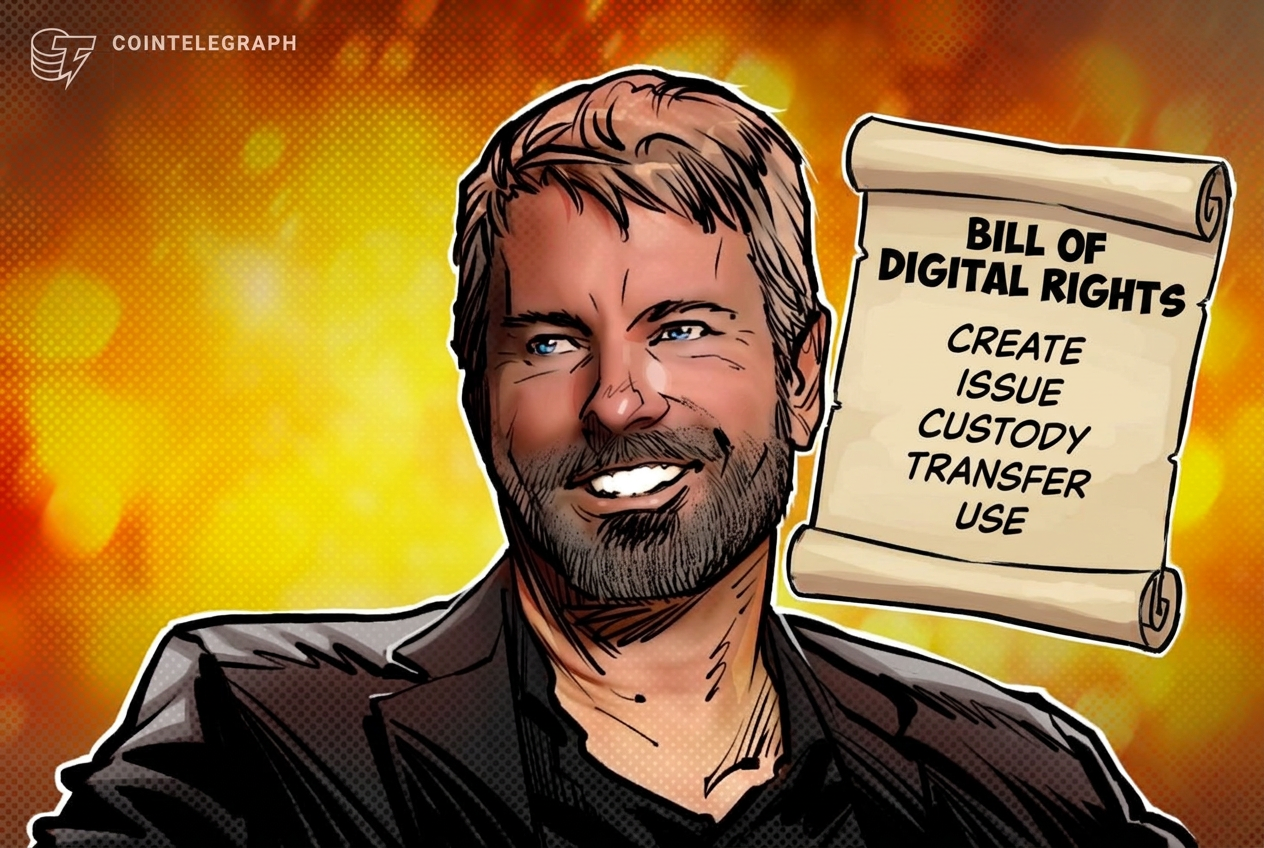
In the context of blockchain and crypto, a digital asset is any token, coin, or NFT that exists on a distributed ledger and can be transferred electronically. The proposed framework outlines five fundamental freedoms that should apply to both individuals and companies:
- Freedom to create new digital assets. Anyone can design a token or smart‑contract‑based instrument, provided they follow the underlying protocol’s rules.
- Freedom to issue assets to the market. Creators can launch their tokens for public sale, enabling fundraising or financing of projects.
- Freedom to hold assets or choose a custodian. Owners may keep assets in a personal wallet or delegate custody to a trusted service, such as a hardware wallet provider or a custodial exchange.
- Freedom to transfer assets. Tokens can be moved between wallets, platforms, or individuals without needing permission from a third party, as long as the transaction complies with network rules.
- Freedom to use assets. Holders can spend, invest, earn interest, or borrow against their tokens, turning them into functional economic tools rather than static stores of value.
Each right is designed to unlock economic potential. When any of these freedoms are limited—by regulation, technical constraints, or platform policies—the value and utility of the asset can be reduced.
Real‑world illustration
In September 2026, Michael Saylor, executive chairman of Strategy, published an essay calling for a “bill of digital rights” that would enshrine these five freedoms. He argued that an age of AI‑driven productivity needs “better money and capital markets” to thrive, and that protecting these rights would enable millions of new businesses to raise capital. Saylor’s own company, known for holding the world’s largest corporate Bitcoin stash, exemplifies the importance of the fifth right—using assets to generate income and secure financing.
What it means for you as an online earner
Understanding these rights helps you evaluate platforms and opportunities:
- If a service restricts creation (e.g., only allowing certain token standards), you may miss out on innovative earning strategies.
- Platforms that limit issuance—such as requiring extensive vetting before a token can be listed—could slow down fundraising for new projects you might want to back.
- Choosing a custodian that respects the holding right ensures you retain control over private keys or can switch providers without losing access.
- Services that impose high fees or bans on transfers reduce liquidity, making it harder to move earnings quickly.
- Finally, the ability to use assets—earning interest, staking, or borrowing—directly translates into passive income streams.
How to evaluate a platform or product
When assessing a crypto‑related earning opportunity, check the following:
- Token creation policy: Does the platform support open standards (ERC‑20, BEP‑20, etc.) and allow anyone to launch a token?
- Issuance process: Are there transparent, reasonable steps for listing a new asset, or does the platform impose arbitrary blocks?
- Custody options: Can you keep assets in a self‑controlled wallet, or are you forced into a custodial account?
- Transfer fees and limits: Review the cost and speed of moving tokens on and off the platform.
- Utility features: Look for built‑in earning mechanisms such as staking, lending, or yield‑farm integrations that let you put assets to work.
FAQ
Can I create my own token without technical expertise?
Many platforms offer user‑friendly token generators that handle the underlying smart‑contract code, allowing non‑developers to launch ERC‑20 or similar tokens with a few clicks.
Do I have to trust a custodian with my private keys?
If you use a custodial service, the provider holds the private keys on your behalf. For full control, you can store assets in a non‑custodial wallet where only you possess the keys.
Is borrowing against crypto assets risky?
Borrowing introduces liquidation risk: if the value of your collateral falls below a certain threshold, the lender may sell it to cover the loan. Always assess the loan‑to‑value ratio and understand the liquidation mechanics.
How do these rights affect tax reporting?
Each right can trigger taxable events. Creating or issuing a token may be considered a capital contribution, transferring assets can be a taxable sale, and earning interest or staking rewards are generally treated as income. Consult a tax professional for guidance.
This article references reporting from cointelegraph.com.