Are you worried that the digital dollars you hold could be seized by authorities? This article explains how stablecoins like USDT can be frozen, why that happens, and what you should consider when using them.
What does “freezing” a stablecoin mean?
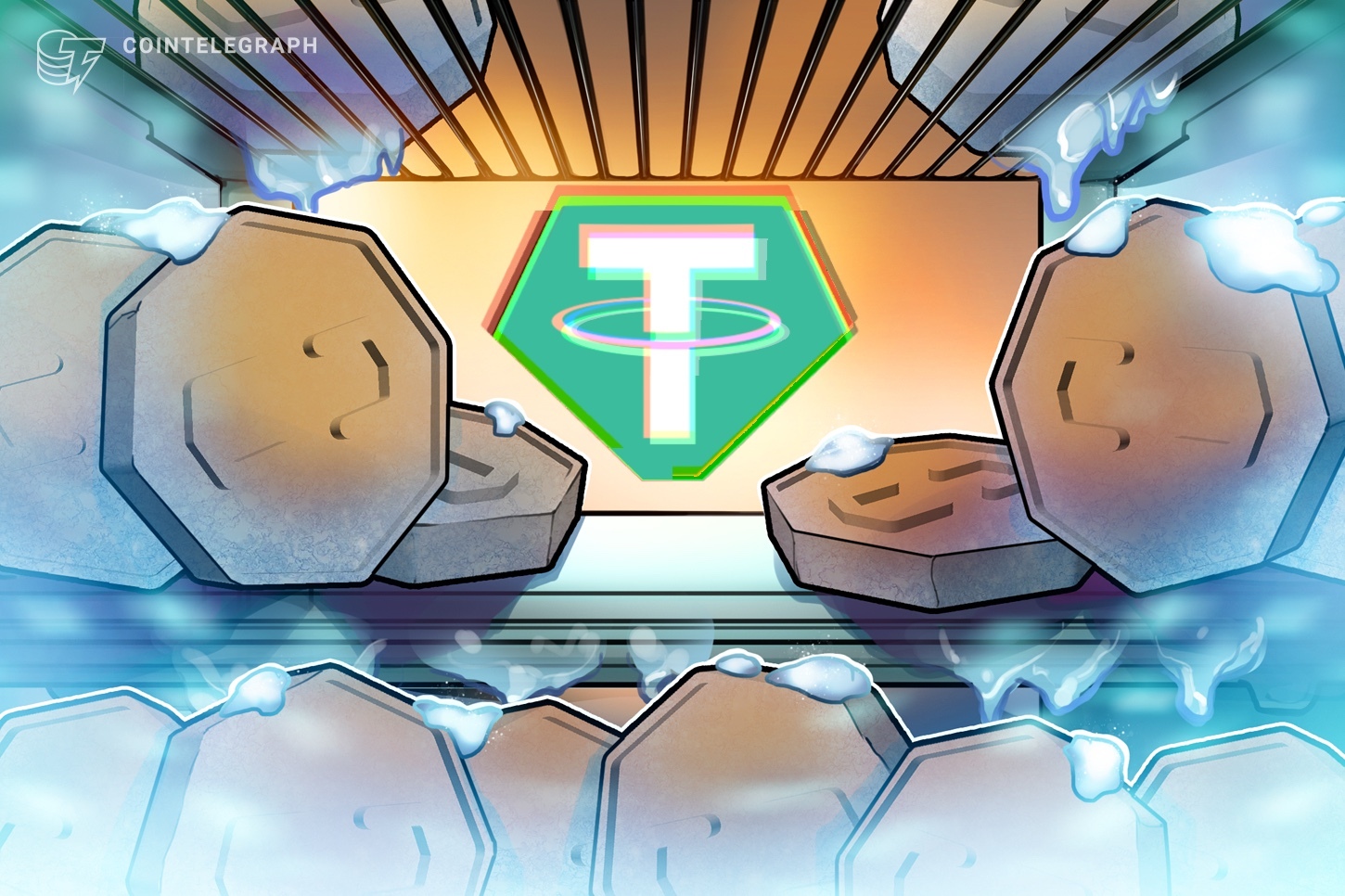
A stablecoin is a type of cryptocurrency that aims to keep its price stable, usually by being pegged to a fiat currency such as the US dollar. USDT, issued by Tether, is the most widely used stablecoin. “Freezing” a token does not involve a technical lock on the blockchain itself; instead, it relies on the issuer’s control over the smart‑contract or ledger that records balances.
When a stablecoin issuer receives a legitimate request from a law‑enforcement agency—often accompanied by a court order or sanctions list—they can mark specific wallet addresses as “blocked.” Once blocked, the issuer refuses to process any outgoing transfers from those addresses. The tokens remain on the blockchain, but the issuer will not honor redemption or further transfers, effectively rendering the funds unusable for the holder.
Key terms:
- Sanctions: Legal restrictions that prohibit individuals, entities, or countries from accessing certain financial services.
- Wallet address: A string of characters that identifies a holder’s account on a blockchain.
- Issuer: The organization that creates and manages a stablecoin, controlling its ledger and redemption process.
Why do authorities target stablecoins?
Stablecoins are attractive for illicit actors because they combine the speed and borderless nature of crypto with the price stability of fiat money. This makes them useful for moving large sums without the volatility that other cryptocurrencies exhibit. Regulators therefore monitor stablecoin flows for signs of sanctions evasion, money laundering, or financing of prohibited activities.
Real‑world illustration
In September 2026, Tether disclosed that it had helped freeze nearly $550 million in USDT linked to Iran. The company said it blocked more than $130 million across four wallets earlier in the year and, in April, froze over $344 million tied to the Central Bank of Iran. These actions were taken after cooperation with international law‑enforcement agencies, including the U.S. Department of Justice and the Office of Foreign Assets Control.
The U.S. Senate Permanent Subcommittee on Investigations reported that 84 % of 846 crypto wallets sanctioned for ties to Iran transacted almost exclusively in USDT, highlighting why the stablecoin became a focal point for sanctions enforcement.
What it means for you
If you hold stablecoins, especially on platforms that rely on a centralized issuer, your assets could be frozen if the issuer receives a valid legal request. This risk is higher for wallets that are publicly known, associated with high‑value transactions, or linked to jurisdictions under sanctions.
For everyday users who keep stablecoins in personal, non‑custodial wallets, the risk is lower because the issuer cannot prevent you from sending the tokens to another address. However, if you later try to redeem the stablecoin for fiat through the issuer’s service, the frozen status may block the conversion.
How to assess the safety of a stablecoin
Before using a stablecoin, consider the following checks:
- Issuer transparency: Look for clear policies on how the issuer handles law‑enforcement requests and whether they publish regular compliance reports.
- Custodial vs. non‑custodial holdings: Storing tokens in a wallet where you control the private keys reduces the issuer’s ability to freeze your balance.
- Regulatory jurisdiction: Stablecoins issued by entities subject to strict U.S. or EU regulations may be more likely to cooperate with sanctions enforcement.
- Audit and reserve backing: A reputable audit can indicate the issuer’s overall stability, though it does not eliminate freezing risk.
FAQ
Can a stablecoin be frozen if I keep it in a non‑custodial wallet?
The issuer cannot directly block transfers from a wallet you control, but they can refuse to honor redemption requests for any tokens that originated from a frozen address.
Do all stablecoins have the same freezing capability?
No. Decentralized stablecoins that rely on algorithmic mechanisms without a single issuer (e.g., DAI) cannot be frozen by a central party, while centrally issued tokens like USDT can be blocked at the issuer’s discretion.
What should I do if my stablecoin balance is frozen?
Contact the issuer’s support team for details. If the freeze is due to a legal order, the issuer will typically explain that they must comply and may provide information on how to contest the action through legal channels.
Is freezing a sign that a stablecoin is unsafe?
Freezing itself is not a safety issue; it reflects regulatory compliance. However, it does illustrate that holding assets on a centrally controlled ledger carries legal and operational risks that you should weigh against the convenience of the stablecoin.
This article references reporting from cointelegraph.com.