Ever wondered how you can trade one cryptocurrency for another without using a traditional exchange, and why a hack on that system can affect your funds? This article explains the mechanics of cross‑chain swaps, the security challenges they face, and how you can protect yourself when earning or trading online.
What a Cross‑Chain Swap Is
A cross‑chain swap lets you exchange tokens that live on different blockchains directly, without first converting them to a common asset like Bitcoin or fiat. The process typically uses a smart contract or a decentralized protocol that locks the original asset on its native chain and releases the counterpart on the target chain. Key terms you’ll encounter include:
- Atomic swap: A trust‑less exchange where either both sides complete or neither does, preventing one party from defaulting.
- Liquidity pool: A reserve of tokens supplied by users that the protocol draws from to fulfill swap requests.
- Bridge: Software that connects two blockchains, allowing assets to move between them, often by locking the original token and minting a wrapped version on the other chain.
Because the swap is executed by code, you don’t need to trust a central party. However, the security of the underlying smart contracts and the bridge infrastructure is crucial. If a vulnerability is discovered, attackers can manipulate the contracts to siphon funds.
How a Hack Can Unfold
When a protocol’s code contains a flaw, an attacker can craft a transaction that exploits it. In a cross‑chain context, the attacker might trick the system into releasing more tokens than were locked, or they could redirect the locked assets to an address they control. Once the malicious transaction is confirmed on the source chain, the corresponding release on the destination chain may follow, effectively moving stolen funds across multiple blockchains.
Because the assets are often moved quickly through automated processes, recovering them can be extremely difficult. Decentralized protocols usually cannot freeze or reverse transactions, unlike centralized exchanges that can intervene.
Real‑World Illustration
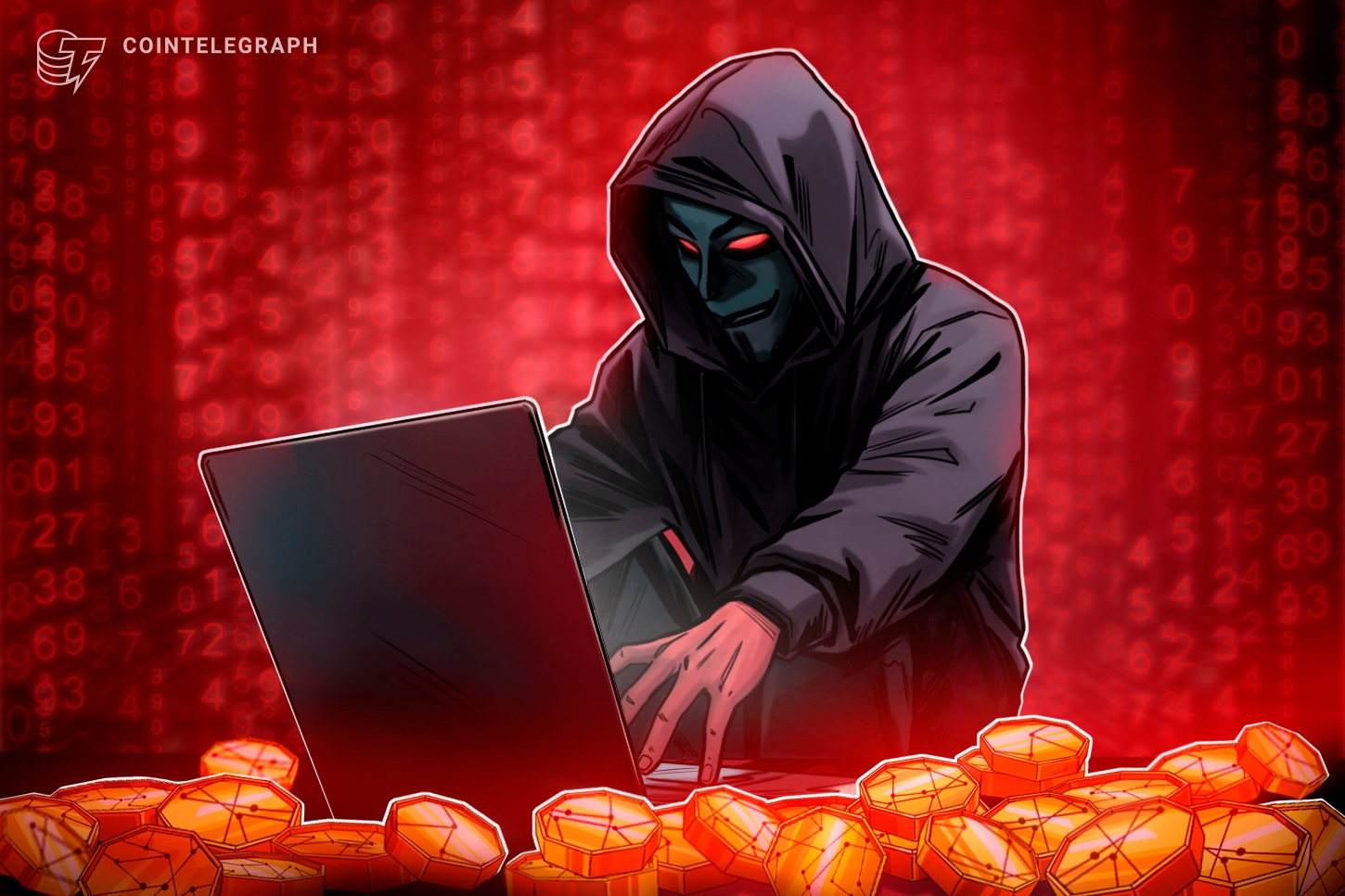
In August 2026, THORChain—a popular cross‑chain liquidity protocol—refused a request from the centralized exchange Bitget to block a hacker who had moved roughly $6 million worth of crypto into Bitcoin. The hacker had exploited a vulnerability that allowed them to swap assets on THORChain without proper verification. THORChain’s governance chose not to intervene, citing the protocol’s immutable design, which left the stolen funds on the blockchain.
What It Means for You
If you use cross‑chain swaps to earn passive income, trade, or diversify your holdings, you need to be aware that:
- Funds moved through a decentralized swap are effectively out of anyone’s control once the transaction is confirmed.
- Security depends on the code quality of the protocol and the robustness of its bridge mechanisms.
- There is no recourse to reverse a transaction if something goes wrong.
This doesn’t mean you should avoid cross‑chain swaps altogether, but you should treat them with the same caution you would apply to any high‑risk financial activity.
How to Evaluate a Cross‑Chain Swap Platform
Before committing funds, consider these checkpoints:
- Audit history: Look for independent security audits and whether any critical findings were addressed.
- Community reputation: Active discussion on forums and GitHub issues can reveal past incidents and how the team responded.
- Governance model: Understand how decisions are made—whether a decentralized community can act quickly in emergencies.
- Liquidity depth: Shallow pools can be more vulnerable to price manipulation and may increase slippage.
- Bridge design: Prefer protocols that use proven wrapping mechanisms rather than custom, untested bridges.
FAQ
Can I reverse a cross‑chain swap if I send funds to the wrong address?
No. Once a transaction is confirmed on both blockchains, it is immutable. You would need the recipient to voluntarily return the assets.
Are cross‑chain swaps safer than using a centralized exchange?
Safety depends on the specific protocol. Centralized exchanges can freeze accounts and offer customer support, but they also present a single point of failure. Decentralized swaps eliminate custodial risk but rely entirely on code security.
What should I do if I suspect a swap was compromised?
Immediately stop using the platform, move any remaining funds to a secure wallet, and monitor community channels for official guidance. Reporting the incident to the protocol’s governance forum can also help coordinate a response.
Do I need to pay gas fees on both blockchains?
Yes. Each blockchain involved in the swap requires a transaction fee (often called “gas”) to process the lock and release steps.
This article references reporting from coindesk.com.