Ever wonder how traditional options can be turned into digital assets you can trade on a blockchain? This article explains the mechanics behind tokenized options, why they are gaining interest, and what you should consider before using them to earn passive income.
The plain explanation
An option is a contract that gives the holder the right, but not the obligation, to buy or sell an underlying asset—such as a stock, commodity, or cryptocurrency—at a predetermined price (the strike price) before a specific date (the expiration date). There are two basic types: call options (right to buy) and put options (right to sell).
When an option is tokenized, its legal and economic rights are represented by a digital token on a blockchain. Each token typically follows a standard like ERC‑20 (for Ethereum) or a similar format on other chains. The token’s smart contract encodes the option’s terms—strike price, expiration, and whether it is a call or put—so that ownership and transfer can be handled automatically and transparently.
Key components of a tokenized option:
- Underlying asset: The real‑world or crypto asset the option references.
- Token representation: A blockchain token that stands for one option contract.
- Smart contract logic: Code that enforces exercise, settlement, and expiration rules.
- Custody and settlement: Either on‑chain (using crypto) or off‑chain (using traditional clearinghouses) depending on the platform.
Because the token lives on a public ledger, it can be bought, sold, or transferred instantly without the need for a traditional broker’s paperwork. However, the legal enforceability still depends on the issuer’s compliance with local securities regulations.
A real example
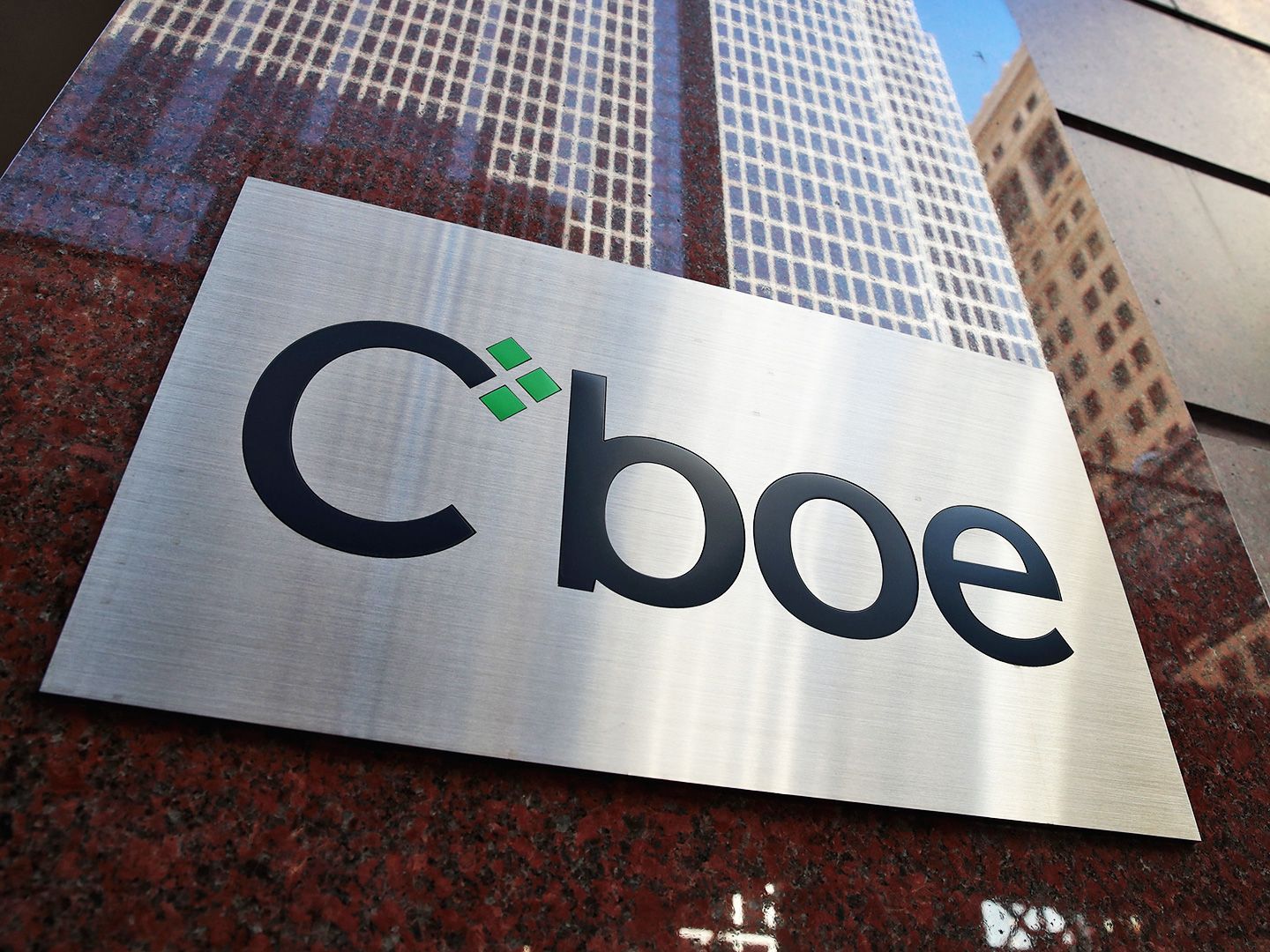
In March 2026, Cboe Global Markets and S&P Dow Jones announced that they were exploring tokenized options contracts under an extended licensing deal. The collaboration aims to bring the established expertise of these legacy exchanges to the blockchain space, creating tokenized versions of standard equity and index options that could be traded on compatible platforms.
What it means for you
If you are looking for ways to earn passive income, tokenized options can offer two main avenues:
- Writing (selling) options: By selling a call or put token, you collect the premium upfront. If the option expires worthless, you keep the premium as income. This is similar to traditional covered‑call strategies but can be executed with lower capital requirements on some platforms.
- Trading options: You can buy tokens that you expect to increase in value if the underlying asset moves in your favor. Profits come from selling the token before expiration or exercising it to capture the underlying price difference.
Both approaches involve risk. Writing options exposes you to potentially unlimited losses on uncovered calls, while buying options can result in a total loss of the premium if the market does not move as anticipated.
What to check / how to judge
- Regulatory compliance: Verify that the token issuer is licensed or registered with the appropriate securities regulator. The Cboe/S&P partnership suggests a higher likelihood of compliance, but each platform may differ.
- Smart contract audit: Look for third‑party audits of the token’s smart contract code. Audits reduce the risk of bugs that could affect settlement or ownership.
- Liquidity: Check the trading volume and order‑book depth on the marketplace where the token is listed. Low liquidity can make it difficult to enter or exit positions at desired prices.
- Collateral and settlement method: Understand whether the option settles in crypto, fiat, or a mix, and whether the issuer holds sufficient collateral to honor exercised contracts.
- Fees: Compare transaction, custody, and settlement fees across platforms. High fees can erode the premium you collect or the profit you aim to capture.
FAQ
Can I trade tokenized options on the same exchanges where I trade regular crypto?
Some decentralized exchanges (DEXs) support tokenized options, but many platforms require you to use a specialized marketplace that handles the option‑specific logic. Always confirm the venue’s compatibility with your wallet.
Do tokenized options have the same tax treatment as traditional options?
Tax rules vary by jurisdiction, but many authorities treat tokenized options similarly to their traditional counterparts—premiums received are ordinary income, and gains or losses from buying/selling are capital gains or losses. Consult a tax professional for your specific situation.
What happens if the smart contract fails at expiration?
If a smart contract contains a bug that prevents settlement, the issuer may need to intervene manually or provide compensation. This risk underscores the importance of using tokens that have undergone reputable security audits.
Is it safe to write (sell) uncovered call options as tokens?
Uncovered (naked) calls carry theoretically unlimited risk if the underlying price rises sharply. Even though the token may be settled on‑chain, the issuer must have sufficient collateral to cover potential losses. Most reputable platforms discourage or restrict naked writing for retail users.
This article references reporting from coindesk.com.