Opening
If you’ve heard about “tokenized stocks” and wonder how they differ from regular shares, this article explains the concept in plain language. You’ll learn what tokenization means, how the process preserves shareholder rights, and what to consider before investing in these digital assets.
The plain explanation
Tokenization is the act of creating a digital representation of a real‑world asset on a blockchain. In the case of stocks, a tokenized stock is a cryptographic token that stands for an actual share of a company. Each token is linked to an underlying share that is held in custody by a trusted entity, such as a bank, broker, or custodial service.
Because the token lives on a distributed ledger, it can be transferred instantly, 24/7, without the need for traditional settlement systems that operate only during market hours. The blockchain also provides a transparent record of ownership, which can reduce paperwork and lower transaction costs.
Crucially, a well‑designed tokenized stock must preserve the rights that come with the original share. That includes:
- Dividends: Token holders receive the same cash payouts as traditional shareholders.
- Voting rights: Tokens can be used to cast votes at shareholder meetings, either directly on‑chain or through a proxy process.
- Corporate actions: Splits, spin‑offs, and other events affect the token in the same way they affect the underlying share.
To achieve this, token issuers typically employ a “dual‑layer” model. The physical share is stored in an omnibus account—a pooled account that holds many investors’ shares together—while the blockchain records the corresponding tokens. When a token is bought, the issuer transfers the appropriate portion of the underlying share into the buyer’s name (or retains it in the omnibus pool and updates the token ledger). When a token is redeemed, the process is reversed.
A real example
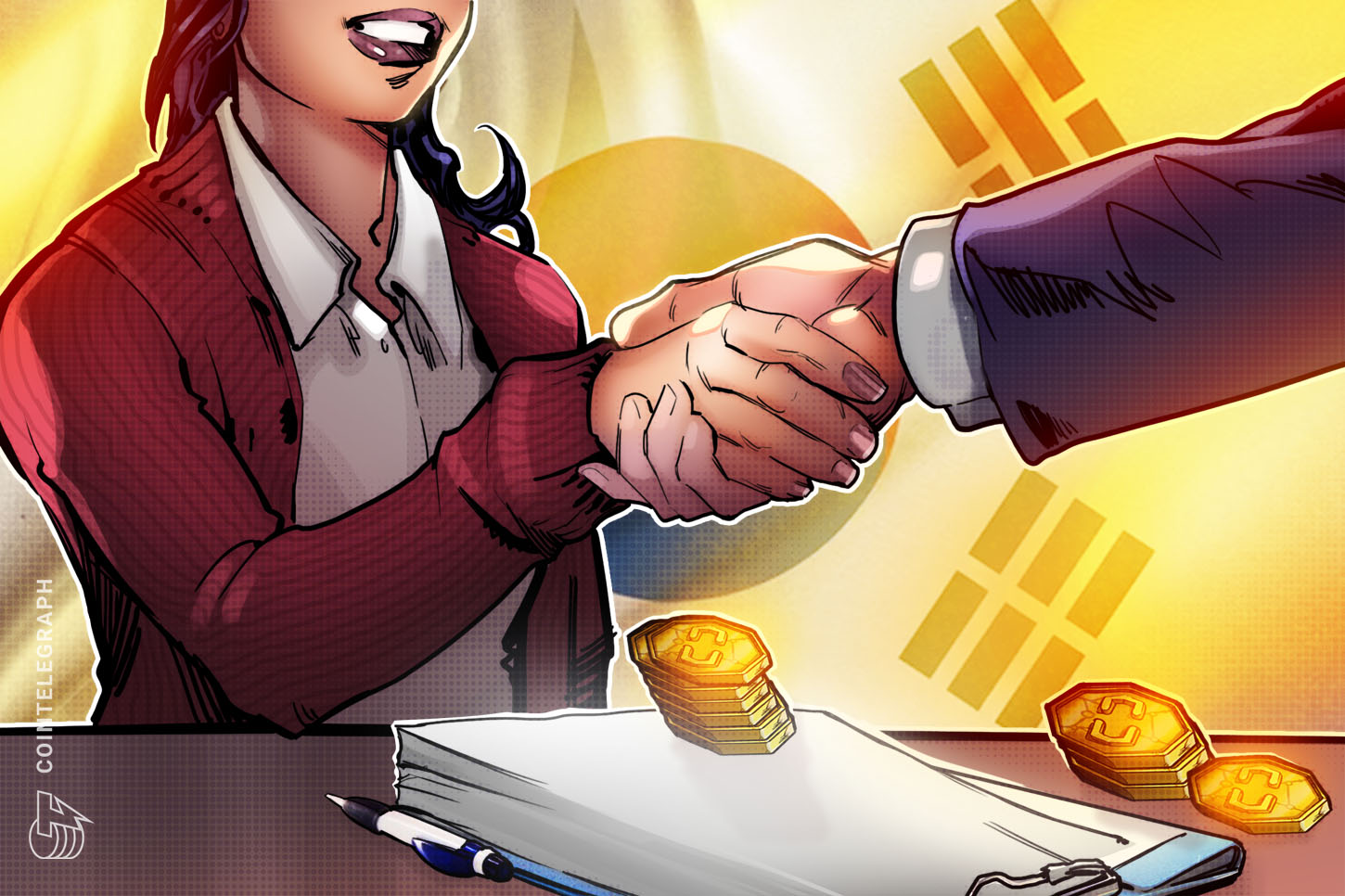
In September 2026, South Korean fintech firm Kakaopay Securities announced partnerships with tokenization specialists Dinara and Ondo Finance. The collaborations aim to run a proof‑of‑concept that would bring Korean‑listed equities onto a blockchain using Dinara’s “dShares” model, which is designed to keep dividend and voting rights intact. Ondo’s role would involve setting up a foreign‑investor omnibus account to hold the underlying Korean shares and researching the issuance and redemption workflow. Both initiatives depend on South Korea’s upcoming regulatory framework for tokenized securities, slated to take effect in February 2027.
What it means for you
Tokenized stocks open a new avenue for investors who want exposure to equities without the friction of traditional brokerage accounts. Because the tokens can be bought, sold, or transferred at any time, you can potentially:
- Access foreign markets that might otherwise be difficult due to residency or account‑opening barriers.
- Trade stocks on platforms that support crypto wallets, merging your crypto and equity portfolios.
- Take advantage of lower transaction fees and faster settlement, especially for small‑value trades.
However, the benefits come with trade‑offs. Tokenized assets are still subject to the same market risk as the underlying shares, and additional risks arise from the custodial and blockchain layers. If the custodian fails to hold the correct underlying shares, or if the smart contract governing the token has a flaw, token holders could lose their rights.
What to check / how to judge
- Regulatory compliance: Verify that the token issuer is licensed in the jurisdiction where the underlying shares are held and that the token complies with local securities laws.
- Custody arrangements: Look for clear information about who holds the physical shares, how the omnibus account is structured, and whether third‑party auditors regularly confirm the backing.
- Smart contract audit: Reputable token projects publish audit reports from independent security firms. Ensure the token’s code has been reviewed for vulnerabilities.
- Rights preservation: Confirm that dividends, voting, and corporate actions are explicitly covered in the token’s documentation.
- Liquidity sources: Check whether the token is listed on reputable exchanges or decentralized platforms and whether there is a market‑making mechanism to support trading.
FAQ
Do tokenized stocks pay dividends the same way as regular shares?
Yes, if the tokenization model is designed to preserve dividend rights. The issuer collects dividends on the underlying shares and distributes them to token holders, often in the same currency as the original payout.
Can I vote on shareholder matters with a token?
In a properly structured token, voting rights are retained. Some projects allow on‑chain voting, while others use a proxy system where the issuer forwards your vote to the company.
Are tokenized stocks safer than holding the actual shares?
They are not inherently safer. While blockchain adds transparency, you also rely on the custodian and the smart contract. Assess both the traditional custodial risk and the technical risk before investing.
Do I need a crypto wallet to hold tokenized stocks?
Yes, the tokens reside on a blockchain, so you’ll need a compatible wallet that supports the token’s standard (e.g., ERC‑20 on Ethereum). Some platforms offer custodial wallets that manage this for you.
This article references reporting from cointelegraph.com.