Ever wondered why Bitcoin’s price can swing dramatically in a single day and how those moves affect anyone trying to earn crypto online? This article breaks down the main forces that push Bitcoin up or down and shows you what to watch if you want to protect or grow your crypto earnings.
What actually drives Bitcoin’s price?
Bitcoin is a digital asset that trades on many exchanges around the world. Its price is not set by any single authority; instead, it is the result of supply and demand on those markets. When more people want to buy Bitcoin than sell it, the price rises; when more want to sell than buy, the price falls.
Several key factors influence that balance:
- Macroeconomic data. Indicators such as the U.S. Personal Consumption Expenditures (PCE) price index, inflation reports, and employment numbers shape investors’ expectations about interest rates and the health of the broader economy. Higher‑than‑expected inflation often leads traders to anticipate tighter monetary policy, which can weigh on risk‑on assets like Bitcoin.
- Central‑bank policy. The Federal Reserve’s decisions on interest rates directly affect the cost of borrowing. When rates rise, traditional assets become more attractive, and some investors move money out of Bitcoin, pushing its price lower.
- Market sentiment. News about regulatory changes, large‑scale adoptions, or major hacks can quickly shift sentiment. Positive headlines tend to attract new buyers, while negative headlines can trigger sell‑offs.
- Liquidity and large holders. “Whales” – entities that control large amounts of Bitcoin – can move the market by buying or selling sizable blocks. Likewise, the amount of Bitcoin held on exchanges versus in private wallets can signal how much is readily available for trading.
- Related asset prices. Bitcoin often moves in tandem with other risk assets such as equities, commodities, and especially the U.S. dollar. A stronger dollar can make Bitcoin appear more expensive to non‑U.S. investors, reducing demand.
Real‑world illustration
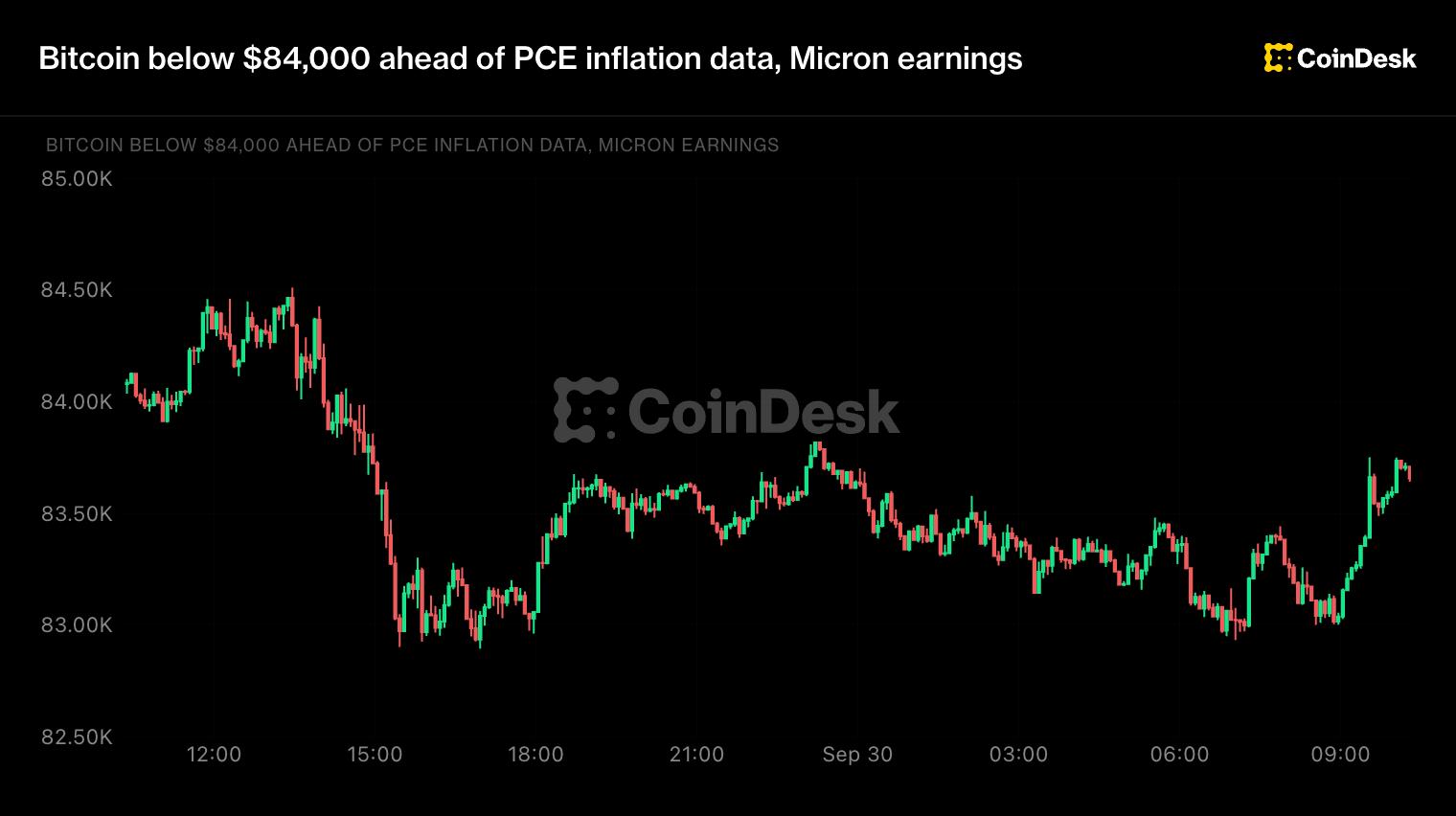
On a Wednesday morning in September 2026, Bitcoin slipped about 0.3% to roughly $83,700 as traders awaited the release of the PCE price index. Analysts expected the index to show a quickening in inflation, which would raise the odds of further Federal Reserve rate hikes. Those expectations, combined with a recent drop in on‑chain spot demand of about 170,000 BTC over the past month, contributed to the modest price dip.
What it means for you
If you are earning Bitcoin through mining, staking, or cloud‑based reward platforms, price movements affect two things: the value of the coins you receive and the profitability of the activity that generates them. A falling price reduces the dollar value of your rewards, while a rising price can increase it. However, the cost side—electricity, hardware depreciation, or platform fees—does not change with the market, so your net margin can shrink or expand dramatically.
For traders or investors, price volatility creates both risk and opportunity. Understanding the drivers helps you decide when to hold, sell, or add to a position, rather than reacting to every headline.
How to evaluate Bitcoin’s price outlook
- Track macro data releases. Keep an eye on key U.S. reports like PCE, CPI (Consumer Price Index), and Fed meeting minutes. Note whether the numbers are above or below expectations.
- Monitor central‑bank signals. Follow statements from the Federal Reserve, European Central Bank, and other major policymakers for clues about future rate moves.
- Check on‑chain metrics. Tools such as CryptoQuant’s spot demand data or the number of active addresses give insight into real user activity versus exchange‑based speculation.
- Watch related markets. Movements in the dollar index, gold, and major equities can provide context for Bitcoin’s direction.
- Assess liquidity. Large order books and low spread on major exchanges suggest a more stable price environment, while thin order books can lead to sharper swings.
FAQ
Why does a higher inflation reading sometimes push Bitcoin down?
Higher inflation often leads investors to expect the Federal Reserve to raise interest rates. Higher rates make traditional assets like bonds more attractive, prompting some investors to shift money away from riskier assets such as Bitcoin, which can cause the price to fall.
Can I protect my earnings from price drops?
One common approach is to convert a portion of earned Bitcoin into a stablecoin or fiat currency when the price is high, thereby locking in value. Diversifying across multiple earning methods (mining, staking, cloud rewards) can also spread risk.
Do mining rewards change with Bitcoin’s price?
No. The protocol awards a fixed number of new Bitcoins per block, regardless of market price. However, the dollar value of those rewards will rise or fall with the market, affecting your overall profitability.
Is Bitcoin’s price more volatile than traditional assets?
Historically, Bitcoin has shown larger daily percentage moves than most stocks or commodities. This higher volatility reflects its smaller market size, 24/7 trading, and sensitivity to news and sentiment.
This article references reporting from coindesk.com.