Are you wondering why Bitcoin can stay flat for days while traders talk about “open interest” and “leverage”? This article explains what crypto futures are, how open interest and volume work, and why these metrics matter for anyone trying to earn passive income or trade responsibly.
What crypto futures are and how they work
A future is a contract that obligates the buyer to purchase, or the seller to deliver, an asset at a predetermined price on a set future date. In crypto, futures let traders speculate on the price of Bitcoin, Ether, or other tokens without owning the underlying coin. When you buy a future, you are long (betting the price will rise); when you sell, you are short (betting it will fall).
Because futures are leveraged, you only need to post a fraction of the contract’s value as margin. Leverage amplifies both gains and losses, which is why many platforms track the amount of leverage in the market. If the market moves against a leveraged position, the exchange may automatically close it—a process called a liquidation.
Open interest (OI) is the total number of outstanding futures contracts that have not been settled or closed. It is a snapshot of how much capital is currently “on the table.” A rising OI suggests new money is entering the market, while a falling OI indicates contracts are being closed out.
Volume measures how many contracts were traded over a specific period, usually 24 hours. High volume shows active participation, but it does not indicate whether traders are adding new positions or merely swapping existing ones.
Real‑world illustration
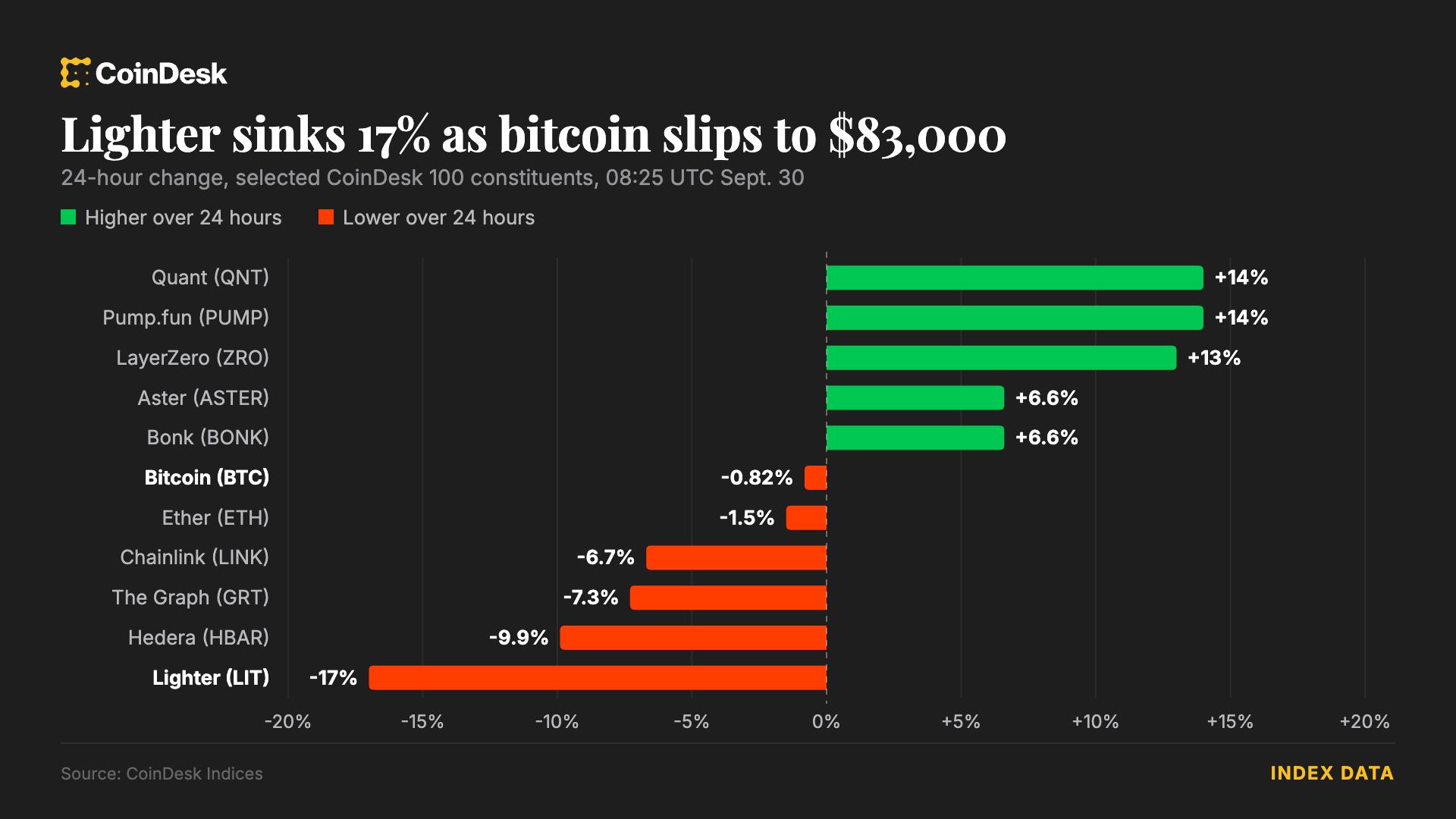
In March 2026, data from CoinGlass showed that Bitcoin futures open interest slipped to 625,000 BTC, the lowest level since the start of the year, even as the spot price climbed above $80,000. At the same time, total market volume fell 16.9% to $181 billion, and liquidations dropped from $389 million to $196 million. The decline in futures OI, despite a rising spot price, indicated that the rally was driven more by actual buying of Bitcoin rather than leveraged bets.
What this means for you
If you are looking to earn through crypto, understanding futures helps you gauge market sentiment. A high OI paired with strong volume can signal confidence in a price move, but it also means more participants are exposed to leverage—raising the risk of sudden liquidations. Conversely, low OI while spot prices rise may suggest a healthier, less leveraged market, which can be a safer environment for long‑term holders.
For passive income seekers, some platforms offer “futures staking” or “yield on futures positions.” Knowing whether the underlying market is heavily leveraged can inform whether such yields are sustainable or likely to evaporate after a liquidation wave.
What to check before you trade or stake futures
- Leverage ratio: Look at the average leverage across the market. Lower average leverage generally means less risk of mass liquidations.
- Open interest trend: Rising OI alongside price increases can indicate growing conviction; falling OI may warn of waning interest.
- Volume vs. OI: If volume is high but OI is flat, traders are mostly closing and reopening positions, which can lead to choppy price action.
- Funding rates: On perpetual futures, funding rates show whether longs or shorts are paying the other side. Negative rates mean shorts are paying longs, which can affect the cost of holding a position.
- Liquidation history: Large recent liquidations suggest a fragile market; a sudden drop in liquidations can indicate a cooling off period.
FAQ
What is the difference between spot buying and futures trading?
Spot buying means you purchase the actual cryptocurrency and own it in your wallet. Futures trading involves contracts that settle at a future date; you never own the underlying asset unless you choose to convert the contract at settlement.
Can I earn passive income from futures?
Some platforms let you earn a yield by providing liquidity to futures markets or by staking futures positions. The returns depend on market activity and funding rates, and they carry the risk of liquidation if the market moves sharply.
How do funding rates affect my position?
Funding rates are periodic payments exchanged between long and short positions on perpetual futures. If the rate is positive, longs pay shorts; if negative, shorts pay longs. This cost or income can add up over time, affecting the profitability of a held position.
Is high open interest always a good sign?
Not necessarily. High OI shows many contracts are open, but it does not reveal whether traders are mostly long or short, nor does it indicate the level of leverage. Combine OI with leverage ratios, volume, and funding rates for a clearer picture.
This article references reporting from coindesk.com.