Do you wonder whether a decentralized finance (DeFi) protocol can be held responsible for illicit activity that passes through it? This article explains how decentralization works, why it matters in a legal context, and what it means for anyone trying to earn passive income on DeFi platforms.
The plain explanation
Decentralization means that a blockchain network is run by many independent participants—called validators or nodes—rather than a single company or authority. In a fully decentralized system, no single entity can unilaterally change the software, freeze accounts, or block transactions. This contrasts with centralized services, such as a traditional exchange, where a corporate team can suspend accounts or reverse trades.
Two technical concepts are key:
- Permissionless access: Anyone can join the network, submit transactions, and interact with smart contracts without needing approval.
- Admin key: Some early DeFi projects kept a master private key that allowed developers to upgrade contracts or intervene in emergencies. Retiring that key removes the ability to make unilateral changes.
From a legal standpoint, regulators often look at whether a protocol retains any “control” over users’ funds. If a platform can manually block an address, add a new rule, or reverse a transaction, courts may view it as more than a neutral infrastructure and treat it similarly to a traditional financial intermediary. In that case, the platform could be subject to anti‑money‑laundering (AML) rules, know‑your‑customer (KYC) requirements, and potential liability for facilitating illegal activity.
A real example
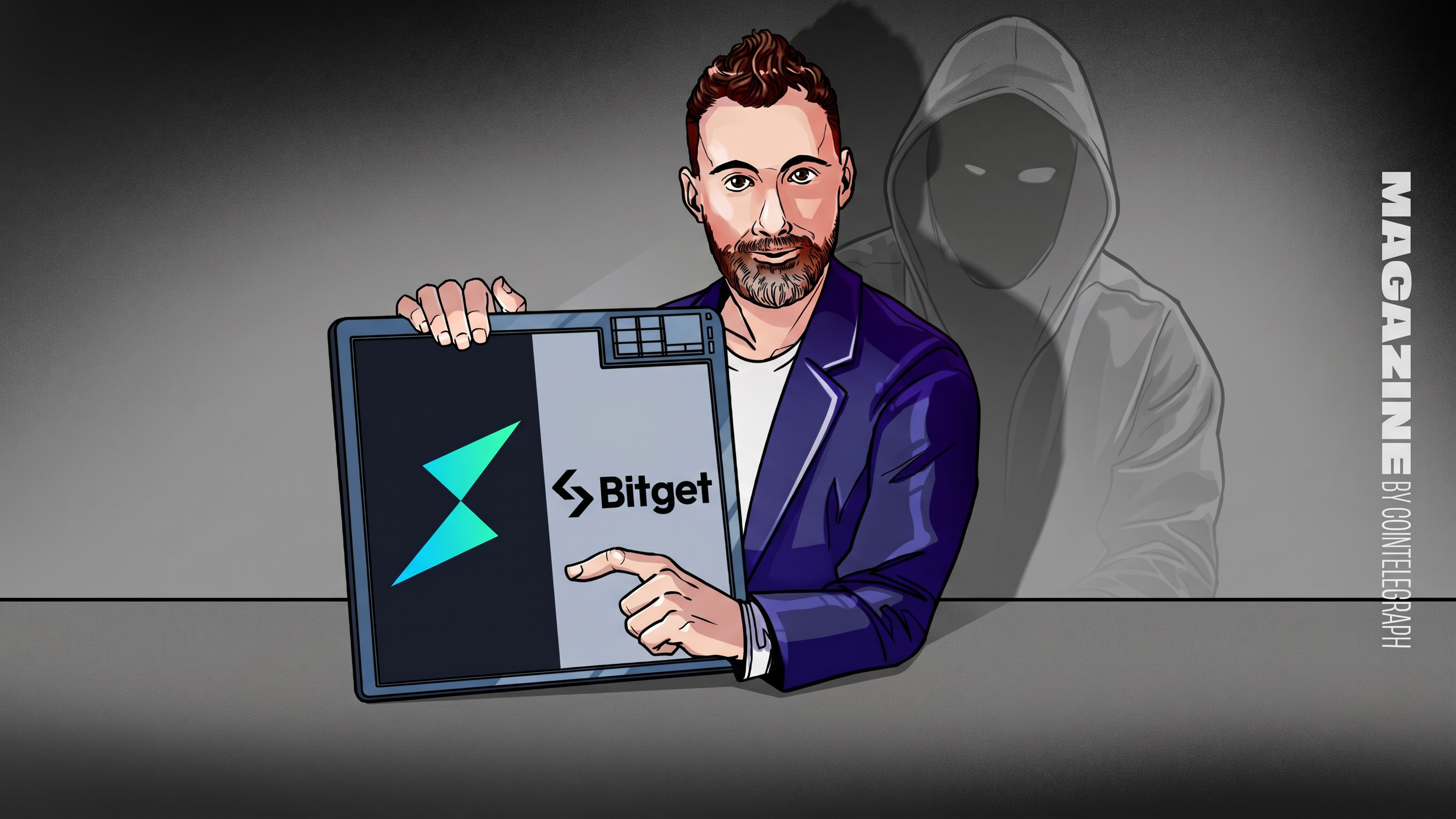
In September 2026, the cryptocurrency exchange Bitget reported a $387.5 million hack attributed to suspected North Korean actors. Bitget’s CEO asked the cross‑chain swapping protocol THORChain to refuse service to the addresses that received the stolen funds. THORChain replied that it is “decentralized and permissionless,” similar to Bitcoin or Ethereum, and therefore cannot block specific addresses. The protocol had retired its admin key earlier in February 2025, leaving no easy way for the developers to censor transactions, even if they wanted to.
By contrast, the NEAR blockchain’s automated SHIELD program automatically identified and blocked the same illicit addresses, preventing $50 million of stolen funds from being swapped. NEAR’s approach sparked debate among “decentralization maxis” who argue that any form of address filtering compromises the permissionless nature of the network.
What it means for you
If you use DeFi platforms to earn passive income—through staking, liquidity provision, or yield farming—you should understand how the platform’s level of decentralization could affect your risk exposure. A fully permissionless protocol offers strong protection against regulatory action, because it cannot be forced to freeze assets or hand over user data. However, that same openness also means there is little recourse if your funds are sent to a known scam address; the protocol cannot intervene.
Conversely, a platform that implements automated filters (like NEAR’s SHIELD) may provide an extra layer of security against stolen funds, but it could also attract regulatory scrutiny. If a court determines that the platform exercises “control,” it might be required to implement KYC/AML procedures, which could affect privacy and the ease of earning on the network.
What to check / how to judge
- Admin key status: Verify whether the project has retired any master keys that would allow unilateral changes. A retired admin key is a strong indicator of decentralization.
- Validator distribution: Look for a large, diverse set of validators. The more independent participants, the harder it is for any single party to exert control.
- Governance model: Does the protocol use on‑chain voting, or does a core team make decisions off‑chain? On‑chain governance tends to align with decentralization principles.
- Automated safeguards: If a platform uses automated, code‑only filters (no human operator), it may retain its decentralized status while still providing some protection.
- Legal history: Check whether the protocol has faced lawsuits or regulatory actions. Past outcomes can hint at how courts view its level of control.
FAQ
Can a DeFi protocol be sued for money‑laundering?
Only if a court finds that the protocol exercises sufficient control over transactions—such as manually blocking addresses or altering contracts. Fully permissionless networks are generally protected because they lack a central decision‑maker.
What’s the difference between an admin key and a validator?
An admin key is a single private key that can upgrade or pause a smart contract. Validators are independent nodes that collectively verify transactions. Removing the admin key eliminates unilateral power, while a broad validator set spreads decision‑making.
Is using a platform with automated address blocking safer?
Automated filters can stop known illicit funds without human intervention, which may reduce exposure to scams. However, they could be interpreted as a form of control, potentially inviting regulatory oversight.
Do I need to worry about KYC/AML when using decentralized swaps?
Most truly permissionless swaps do not require KYC, but if a platform adds compliance features or is deemed to have control, regulators may require it. Always review the platform’s terms and any recent legal developments.
This article references reporting from cointelegraph.com.