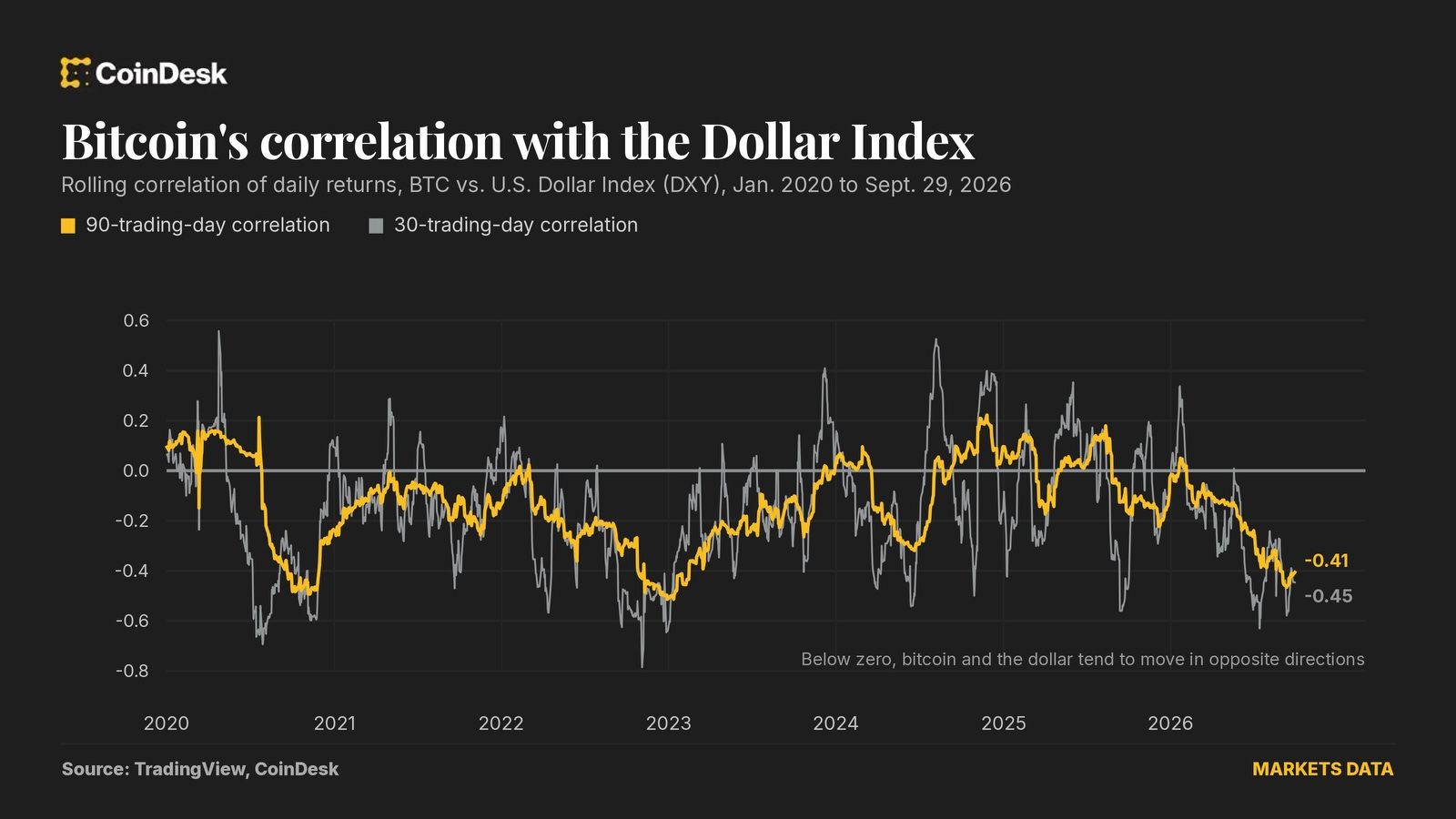
Do you wonder why Bitcoin sometimes moves in the opposite direction of the U.S. dollar? This article explains the relationship between dollar strength and Bitcoin price movements, and what it means for anyone trying to earn crypto online.
What the dollar‑Bitcoin link actually is
Bitcoin is priced in U.S. dollars on most exchanges, so any change in the dollar’s purchasing power can affect the quoted price. When the dollar strengthens, it means the currency can buy more of other currencies or commodities. Because Bitcoin’s price is expressed in dollars, a stronger dollar often translates into a lower Bitcoin price when measured against other assets, even if the underlying demand for Bitcoin hasn’t changed.
Two key mechanisms drive this effect:
- Currency substitution. Investors compare Bitcoin to other stores of value, such as gold or foreign currencies. If the dollar is gaining against those alternatives, the relative appeal of Bitcoin may diminish, prompting some traders to sell or hold off on buying.
- Liquidity flow. A strong dollar usually signals confidence in U.S. financial markets, attracting capital into dollar‑denominated assets like Treasury bonds. That can pull money away from riskier assets, including Bitcoin, reducing buying pressure.
It’s important to note that Bitcoin’s price is also influenced by factors unrelated to the dollar, such as network upgrades, regulatory news, and macro‑economic data like inflation or interest rates. The dollar‑Bitcoin relationship is one piece of a larger puzzle.
Real‑world illustration
In March 2026, analysts highlighted that “a stronger dollar is a weaker threat to Bitcoin than traders think.” The commentary noted that despite a rising dollar, Bitcoin continued to gain as yields on U.S. Treasury bonds fell after better‑than‑expected inflation numbers. This example shows that while dollar strength can exert downward pressure, other forces—like falling yields that make traditional assets less attractive—can offset or even reverse that effect.
What it means for you
If you earn Bitcoin through mining, staking, or cloud rewards, the dollar‑Bitcoin link can affect the fiat value of your earnings. A stronger dollar may reduce the dollar‑denominated payout even if the number of coins you receive stays the same. Conversely, a weakening dollar can boost the dollar value of your crypto income.
Understanding this dynamic helps you plan when to convert earnings to fiat or when to hold for potential upside. It also highlights the value of diversifying your crypto portfolio across assets that react differently to currency movements.
What to check before you act
- Dollar strength indicators. Track the U.S. Dollar Index (DXY), which measures the dollar against a basket of major currencies. A rising DXY suggests a strengthening dollar.
- Yield environment. Monitor U.S. Treasury yields. Lower yields often make Bitcoin more attractive as an alternative store of value.
- Cross‑asset performance. Compare Bitcoin’s price movement to gold, euro, and other commodities. Divergence can signal that the dollar’s influence is being outweighed by other factors.
- Conversion timing. If you need fiat soon, consider converting when the dollar is weaker relative to Bitcoin to maximize dollar value.
FAQ
Why doesn’t Bitcoin always drop when the dollar rises?
Bitcoin’s price is driven by many variables. Strong dollar periods often coincide with other market conditions—like falling bond yields or positive crypto‑specific news—that can support or lift Bitcoin despite a stronger dollar.
Can I protect my earnings from dollar fluctuations?
One approach is to hold a portion of your earnings in stablecoins pegged to non‑USD currencies, or to diversify into assets that historically move inversely to the dollar, such as gold‑backed tokens.
Should I wait for a weaker dollar before selling Bitcoin?
Timing the market is risky. While a weaker dollar can increase the dollar value of Bitcoin, other factors—like network upgrades or regulatory changes—can have a larger impact. Consider your personal cash‑flow needs and risk tolerance rather than relying solely on dollar strength.
Does a strong dollar affect all cryptocurrencies equally?
No. Coins with strong ties to fiat economies, such as stablecoins, are directly impacted. Others, like Bitcoin, are more influenced by macro trends, while utility tokens may respond more to project‑specific developments.
This article references reporting from coindesk.com.