Ever wonder how you can hold a piece of a company or an exchange‑traded fund without using a traditional broker? This article explains what tokenized stocks and ETFs are, how they function on a blockchain, and what you need to consider before adding them to your digital portfolio.
What tokenized stocks and ETFs actually are
Tokenized stocks are digital representations of real‑world equities that exist as crypto tokens on a blockchain. An ETF (exchange‑traded fund) works the same way, but it represents a basket of assets rather than a single company. Each token is backed by the underlying security, meaning that for every token in circulation there should be a matching share or fund unit held in custody by a regulated entity.
Because the tokens live on a public ledger, ownership can be transferred instantly, 24/7, without the need for a centralized clearinghouse. The blockchain also provides transparent proof of ownership and can reduce settlement times from days to minutes.
Key terms:
- Custodian – a licensed institution that actually holds the real shares or fund units and issues the corresponding tokens.
- Smart contract – self‑executing code on the blockchain that governs token issuance, transfers, and redemption.
- Redemption – the process of converting a token back into the underlying security, usually through the custodian.
How the system works in practice
First, a custodian purchases the real shares or ETF units and deposits them in a segregated account. The custodian then creates a smart contract on a chosen blockchain and mints a matching number of tokens. Each token’s metadata includes a reference to the underlying asset, the custodian’s identity, and any applicable fees.
When you buy a token, you are essentially buying a claim on the underlying security. The token can be stored in any compatible wallet, traded on decentralized exchanges, or held for passive income. Some tokens pay out dividends or interest automatically through the smart contract, mirroring the cash flows of the real asset.
To redeem, you send the token back to the custodian’s address. The smart contract burns the token and the custodian releases the corresponding share or fund unit to you, often via a traditional brokerage account.
Real‑world illustration
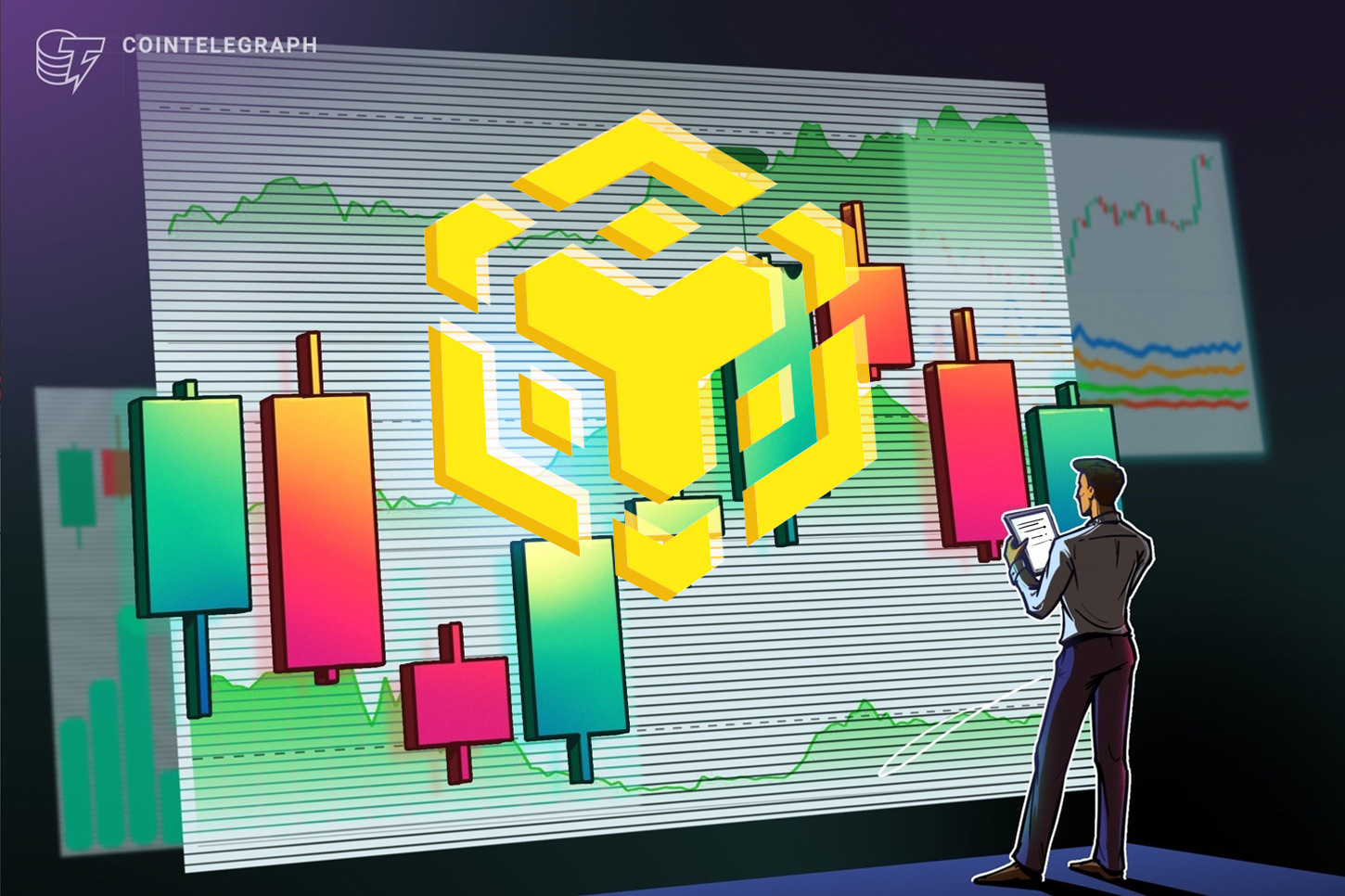
In October 2026, BNB Chain became the first blockchain to surpass $1 billion in tokenized stocks and ETFs. At that point the market for these assets on BNB Chain was worth about $1.1 billion, representing roughly 30 % of the total $3.7 billion tokenized‑stock market across all blockchains. The network also hosted 1.8 million addresses holding tokenized securities, the largest share of any chain.
This milestone shows how a public blockchain can attract both issuers and investors, offering a sizable alternative to Ethereum and Solana, which together held about 42 % of the market at the same time.
What this means for you
If you are looking for a way to diversify your crypto holdings with traditional market exposure, tokenized stocks and ETFs provide a bridge between the two worlds. They let you earn passive income such as dividends or fund distributions without leaving the blockchain environment. Because transactions settle quickly, you can rebalance your portfolio at any hour, unlike the limited trading windows of traditional markets.
However, the benefits come with trade‑offs. You remain dependent on the custodian’s ability to maintain the underlying assets, and you must trust that the smart contract correctly enforces redemption rights. Additionally, regulatory frameworks for tokenized securities are still evolving, which can affect liquidity and legal protection.
What to check before you invest
- Custodian reputation – Verify that the entity holding the real shares is licensed and has a solid track record.
- Smart contract audit – Look for independent security audits that confirm the contract correctly handles issuance, transfers, and redemption.
- Regulatory compliance – Ensure the token complies with the securities laws of your jurisdiction; many issuers restrict sales to accredited investors.
- Liquidity sources – Check whether the token is listed on reputable decentralized exchanges or can be sold back to the custodian.
- Fee structure – Understand custody fees, redemption fees, and any on‑chain transaction costs that will affect your net returns.
FAQ
Do tokenized stocks pay dividends the same way regular stocks do?
Yes, if the underlying security distributes dividends, the token’s smart contract can automatically forward those payments to token holders, usually in the blockchain’s native currency.
Can I hold tokenized securities in any crypto wallet?
Only wallets that support the specific blockchain and token standard (for example, BEP‑20 on BNB Chain) can store them. Make sure your wallet is compatible before buying.
What happens if the custodian goes bankrupt?
In a well‑structured tokenization scheme, the custodian must keep the underlying assets in a segregated account, separate from its own balance sheet. If the custodian fails, the assets should remain available for redemption, but legal processes can be lengthy.
Are tokenized ETFs taxed the same as traditional ETFs?
Tax treatment varies by country. Many jurisdictions treat the token as a security, so capital gains and dividend taxes apply similarly to conventional holdings. Consult a tax professional for guidance.
This article references reporting from cointelegraph.com.