Ever wondered why a jobs report or a change in unemployment can make Bitcoin swing by thousands of dollars? This article explains how macro‑economic indicators affect cryptocurrency markets and what you can do to stay level‑headed when the headlines shift.
What macro‑economic data is and how it connects to crypto
Macro‑economic data are statistics that describe the overall health of an economy. Common examples include Gross Domestic Product (GDP), inflation rates, interest‑rate decisions, and employment figures such as the monthly jobs report. These numbers influence how investors perceive risk and where they allocate capital.
Cryptocurrencies, especially Bitcoin, are still relatively new assets, but they react to the same risk sentiment that drives stocks, bonds, and commodities. When the economy looks strong, investors may feel comfortable taking on riskier assets, pushing crypto prices higher. Conversely, signs of slowdown or higher inflation can trigger risk‑off moves, causing traders to sell crypto in favor of safer holdings.
Two key mechanisms explain the link:
- Risk appetite. A robust jobs report signals a healthy economy, which often leads to a “risk‑on” environment. Traders look for higher‑return opportunities, and crypto’s high volatility can be attractive.
- Monetary policy expectations. Employment data feeds into central‑bank decisions on interest rates. If strong employment suggests inflation may rise, central banks could tighten policy, making borrowing more expensive. Higher rates can reduce the appeal of non‑yield‑bearing assets like Bitcoin, prompting price drops.
Real‑world illustration
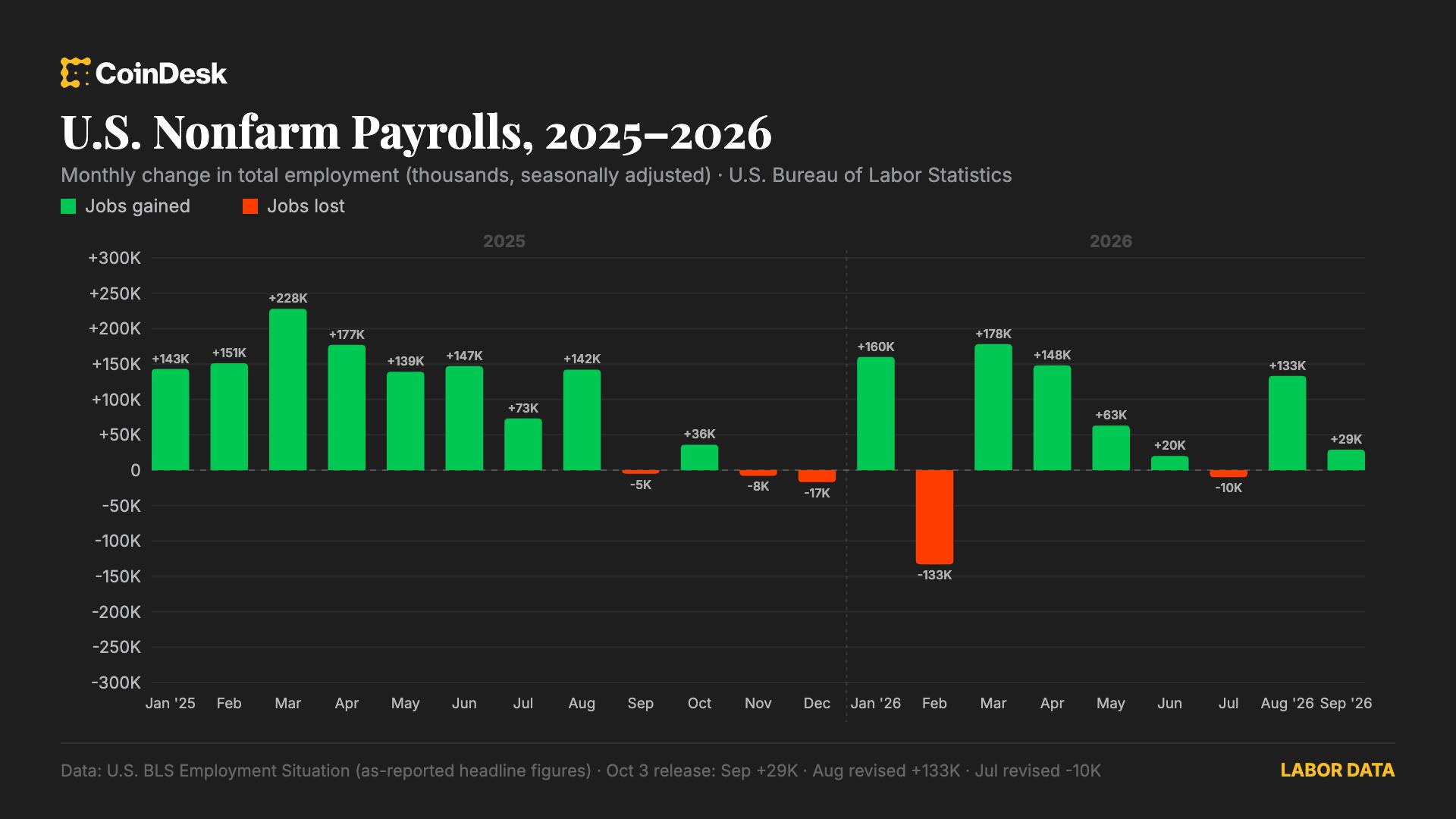
In September 2026, the United States added just 29,000 jobs, and the unemployment rate rose to 4.2 %. The modest job growth and higher unemployment signaled a weaker labor market, prompting concerns that the Federal Reserve might keep interest rates higher for longer. In the hours following the report, Bitcoin’s price hovered around $86,000 to $87,000, with traders shifting between bullish and bearish positions as reflected in a $2.3 billion jump in open interest for long contracts.
What it means for you as an online earner
If you earn crypto through mining, staking, or cloud‑reward platforms, macro data can affect the value of the coins you receive. A risk‑on environment may boost your earnings when you convert to fiat, while a risk‑off swing could erode the purchasing power of those same coins.
Understanding the broader economic backdrop helps you decide when to hold, sell, or reinvest. It also informs how you manage your exposure: diversifying across assets, keeping a portion in stablecoins, or using hedging tools such as futures contracts.
What to check before reacting
- Source of the data. Verify that the economic indicator comes from an official agency (e.g., the U.S. Bureau of Labor Statistics for jobs reports).
- Market consensus. Compare the actual figure with analysts’ expectations. Prices often move more on the surprise element than the raw number.
- Related policy signals. Look for accompanying statements from central banks about future rate changes.
- Crypto‑specific sentiment. Check Bitcoin’s dominance index and open interest to gauge whether traders are leaning bullish or bearish.
- Your time horizon. Short‑term traders may act on the news, but long‑term earners might ignore it if it doesn’t change the fundamentals of their earning strategy.
FAQ
Why does a jobs report affect Bitcoin more than other cryptocurrencies?
Bitcoin is the most widely traded crypto and often serves as a market barometer. When risk sentiment shifts, traders first adjust Bitcoin positions, and the effect ripples to altcoins.
Should I sell my crypto immediately after a negative economic surprise?
Not necessarily. A single data point can cause a short‑term price dip, but crypto markets are volatile and can recover quickly. Consider your overall portfolio risk and whether you need the funds in the near term.
Can I use stablecoins to protect against macro‑economic swings?
Stablecoins, such as USDT, are pegged to fiat currencies and can provide a temporary haven during market turbulence. However, they carry their own risks, including regulatory scrutiny and counter‑party exposure.
How do I stay informed without being overwhelmed?
Focus on a few key indicators—jobs reports, inflation data, and central‑bank announcements—and follow reputable sources. Set up alerts for when numbers deviate significantly from expectations.
This article references reporting from coindesk.com.