Are you wondering how the government can keep up with the rapid growth of artificial intelligence without stifling innovation? This article explains the role of an AI czar, the mechanisms of AI governance, and what these policies could mean for anyone earning or working online.
What an AI Czar Is and How the Role Functions
An AI czar is an informal title for a senior government official tasked with coordinating national policy on artificial intelligence. The position does not exist in every country, but in the United States it typically involves a blend of advisory, regulatory, and strategic responsibilities. The czar works across multiple agencies—such as the Department of Commerce, the National Institute of Standards and Technology (NIST), and the intelligence community—to develop a coherent approach to AI development, deployment, and safety.
The core duties include:
- Policy coordination: Aligning AI strategies across departments to avoid duplicated effort.
- Risk assessment: Identifying potential threats from AI, ranging from data privacy breaches to the misuse of autonomous systems.
- Industry engagement: Consulting with tech CEOs, research labs, and standards bodies to shape practical guidelines.
- Public communication: Explaining AI policy to lawmakers and the public, helping build trust.
Because AI evolves faster than legislation, the czar’s role often emphasizes “self‑policing” frameworks. Rather than imposing heavy regulations that could slow progress, the government encourages companies to adopt internal best practices, third‑party audits, and voluntary standards.
How AI Governance Is Structured
AI governance combines three main elements: legal regulations, voluntary standards, and oversight mechanisms.
Legal regulations are formal rules passed by legislatures. They can mandate transparency (e.g., requiring disclosure of AI model capabilities), set safety thresholds, or impose penalties for misuse. Because drafting and passing laws can take years, regulators tend to focus on high‑risk areas such as biometric surveillance or autonomous weapons.
Voluntary standards are guidelines created by industry groups, academic consortia, or standards organizations like ISO. Companies can adopt these standards to demonstrate responsible AI practices. Examples include the IEEE’s “Ethically Aligned Design” and the Partnership on AI’s best‑practice frameworks.
Oversight mechanisms include both government‑run audits and independent third‑party evaluations. Some agencies, such as NIST, publish technical benchmarks that companies can use to test model robustness. Others rely on “embedded evaluators”—independent firms hired by a company to assess AI development pace and safety, a model recently adopted by the AI startup Anthropic.
Real‑World Illustration: The Trump Administration’s AI Initiative
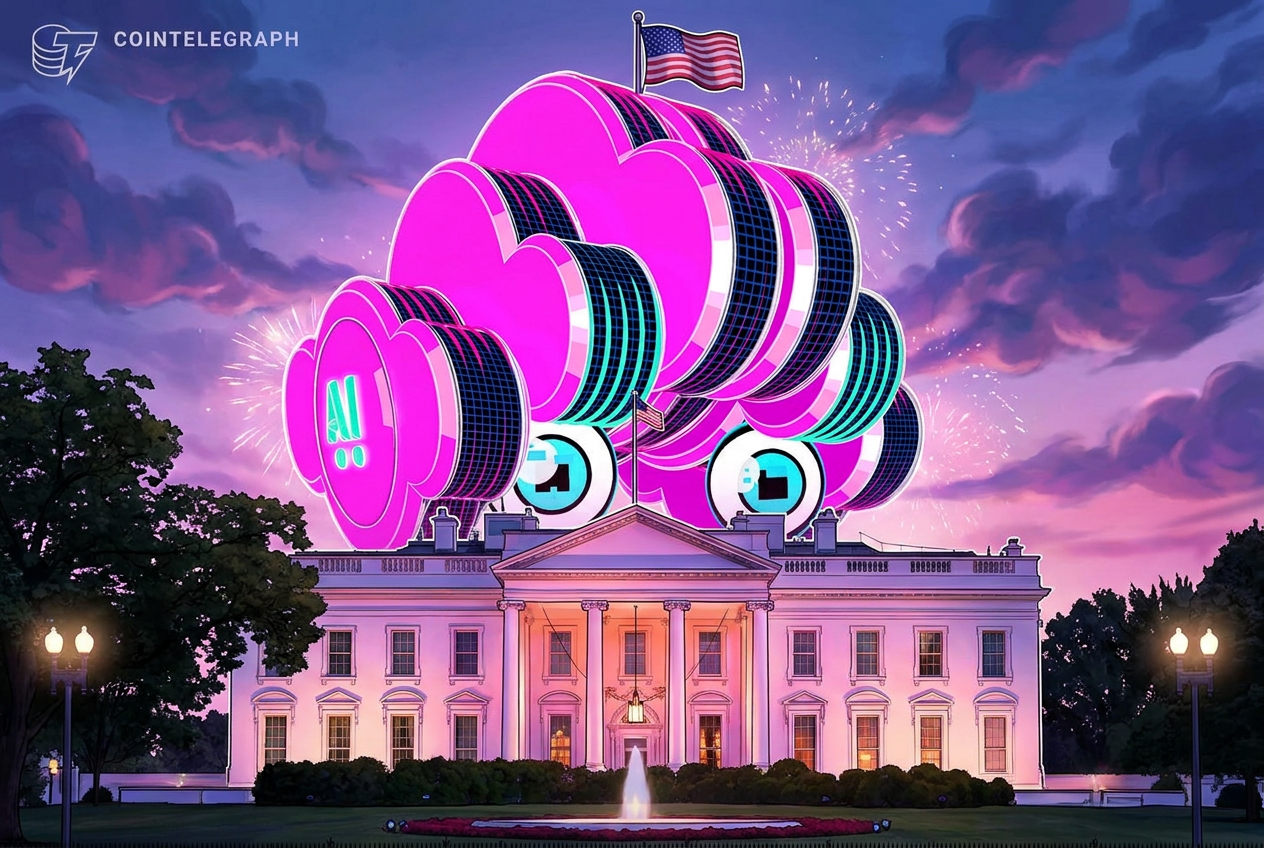
In October 2026, reports indicated that President Donald Trump planned to appoint former SEC chairman Jay Clayton as the new AI czar. The proposal, first floated in September 2026, called for an “AI Force” modeled after the Space Force. The initiative emphasized managing the fast‑growing AI sector without adding regulations that could slow innovation. At a White House meeting, technology leaders signed a commitment to “self‑police” their AI models, echoing the voluntary‑standard approach described above.
This example shows how a government can create a high‑level coordinating role while relying on industry self‑regulation to address immediate concerns. The appointment of a figure with experience in both intelligence and financial regulation signals a desire to blend security oversight with market‑friendly policies.
What This Means for You as an Online Earners or Crypto Enthusiast
If you earn passive income through crypto staking, cloud mining, or AI‑driven trading bots, AI governance can affect you in several ways:
- Transparency requirements: Platforms may need to disclose how AI algorithms set rewards or pricing, giving you clearer insight into the factors influencing your earnings.
- Safety checks: Mandatory audits can reduce the risk of AI‑related bugs that might cause unexpected loss of funds or service outages.
- Innovation pace: A self‑policing model aims to keep new features rolling out quickly, meaning you could benefit from faster improvements in mining efficiency or reward calculations.
However, voluntary standards are not a guarantee of safety. It remains important to monitor the credibility of any platform’s AI governance claims.
How to Evaluate AI Governance When Choosing a Platform
Before committing funds, consider these concrete steps:
- Check for third‑party audits: Look for reports from independent evaluators or certifications from recognized standards bodies.
- Review transparency disclosures: Platforms should explain how AI models influence reward distribution, transaction fees, or risk management.
- Assess the company’s commitment to self‑policing: Evidence of signed pledges, participation in industry consortia, or collaborations with organizations like the Partnership on AI signals a proactive stance.
- Monitor regulatory news: Stay informed about any new AI‑related laws that could affect the platform’s operations or your tax obligations.
FAQ
What is the difference between an AI czar and a traditional regulator?
An AI czar coordinates policy across multiple agencies and focuses on strategic guidance, while traditional regulators enforce specific laws within a single domain (e.g., the SEC regulates securities).
Will self‑policing replace formal regulations?
Self‑policing is intended to complement, not replace, formal regulations. It provides a faster response to emerging risks, but lawmakers may still enact binding rules for high‑impact areas.
How can I verify a platform’s AI safety claims?
Look for publicly available audit reports, third‑party certifications, and participation in recognized industry standards. If a platform only offers vague statements, treat it with caution.
Does AI governance affect the price of cryptocurrencies?
Governance can influence market confidence. Clear, credible AI oversight may attract more users and stabilize a token’s ecosystem, while uncertainty can lead to volatility.
This article references reporting from cointelegraph.com.