Are you wondering why some Ethereum layer‑2 networks shut down while others keep thriving? This article explains the economic forces that determine whether a layer‑2 can stay operational and what those forces mean for anyone looking to earn or store value on these platforms.
What a Layer‑2 Is and How It Works
A layer‑2 (L2) is a secondary protocol built on top of the Ethereum mainnet that processes transactions more cheaply and faster than the base chain. Instead of each transaction being recorded directly on Ethereum, an L2 batches many transactions together, then posts a summary—or rollup—to the mainnet. This reduces the load on Ethereum, lowering fees for users.
Key terms you’ll encounter:
- Rollup: A batch of L2 transactions that is submitted to Ethereum for final settlement.
- Total Value Locked (TVL): The total amount of assets users have deposited in a protocol, often used as a proxy for its popularity and health.
- Bridge: A set of smart contracts that let users move assets between Ethereum and the L2.
- Operating costs: Expenses required to run the network, including validator rewards, infrastructure, and development overhead.
In theory, an L2 earns revenue by charging users small fees for transactions and by earning yields on the assets it holds. If those revenues exceed the costs of running the network, the L2 can be self‑sustaining. If not, the operators may need to subsidize the shortfall or shut down the service.
Real‑World Example: The Blast Shutdown
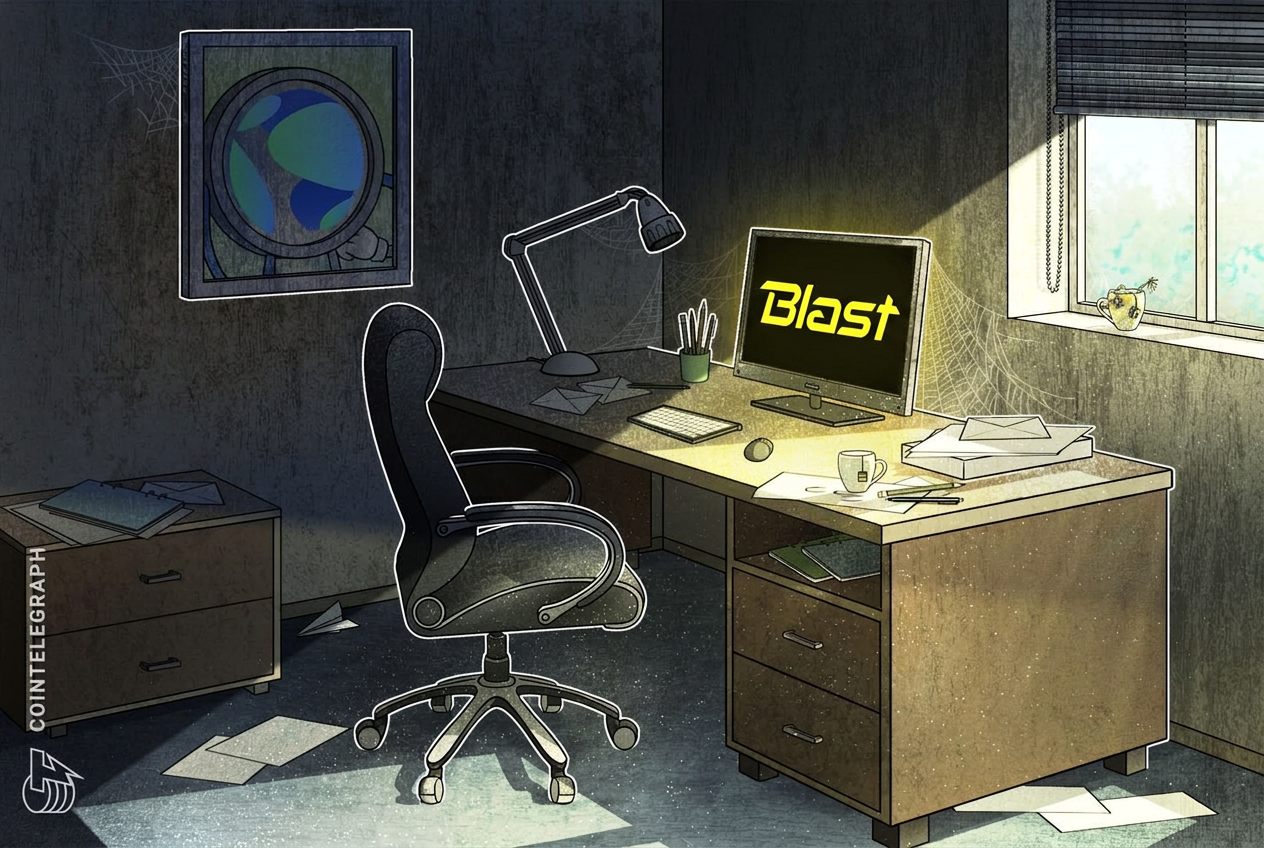
In October 2026, the Ethereum L2 called Blast announced that it would wind down operations because “operating costs exceeded the revenue generated by the chain.” The team said there was no “credible path” to economic sustainability. Users were given until October 26 2026 to withdraw assets via the Blast interface, after which withdrawals would have to be done directly through the bridge contracts.
Blast’s story illustrates a common pattern: after a rapid rise—its DeFi TVL peaked at about $2.2 billion in June 2024—the network saw a 98 % decline in locked value as the broader NFT market cooled. With far fewer assets generating fees, the revenue stream dried up while the fixed costs of maintaining validators and infrastructure remained.
What This Means for You
If you are considering earning passive income on an L2, the network’s economic health is a critical factor. A thriving L2 can offer lower fees, faster transaction finality, and sometimes additional incentives like token airdrops. Conversely, a financially strained L2 may reduce rewards, increase withdrawal delays, or even cease operations, forcing you to move assets back to Ethereum mainnet—often at a higher cost.
Because L2s are built on top of Ethereum, your assets remain ultimately secured by the main chain, but the convenience and cost benefits you enjoy depend on the L2 staying operational. Understanding the underlying economics helps you avoid unpleasant surprises.
How to Evaluate a Layer‑2’s Sustainability
- Check TVL trends: A stable or growing TVL suggests healthy user demand and fee generation.
- Review fee structure: Look at the fees charged per transaction and any additional revenue sources (e.g., yield farming, token incentives).
- Assess operating transparency: Some projects publish their cost breakdowns or tokenomics models; these can reveal whether they rely on subsidies.
- Monitor community and developer activity: Active development and a vibrant community often correlate with long‑term viability.
- Understand withdrawal mechanisms: Know how to exit the L2, especially if the native interface may become unavailable.
FAQ
What happens to my assets if a layer‑2 shuts down?
Typically, you can withdraw your assets to Ethereum mainnet using the L2’s bridge contracts. Some projects may provide a grace period with a user‑friendly interface; after that, you may need to interact directly with smart contracts, which can be more technical.
Do layer‑2 rewards guarantee profit?
No. Rewards are paid from transaction fees and any yield the protocol generates. If the network’s revenue falls short of its costs, rewards can be reduced or eliminated.
Can I rely on token airdrops as part of the earnings?
Airdrops are promotional and not guaranteed. They depend on the project’s tokenomics and financial health, and they may not offset operating costs.
Is it safer to stick with Ethereum mainnet instead of using a layer‑2?
Ethereum mainnet offers the highest security but at higher fees and slower transaction times. Layer‑2s can be safe if they have strong security audits and sufficient liquidity, but they add an extra layer of operational risk that you should evaluate.
This article references reporting from cointelegraph.com.