
Are you wondering why a sudden price surge in Bitcoin matters to your mining or earning strategy? This article explains what bullish signals are, how they arise, and what they mean for anyone trying to earn crypto online.
What a bullish signal actually is
A bullish signal is any market indicator that suggests the price of an asset is likely to rise. In the world of Bitcoin, these signals can come from technical analysis tools (such as moving‑average crossovers, breakout patterns, or volume spikes), from on‑chain data (like increasing hash rate or growing transaction activity), or from macro‑economic events (regulatory news, institutional adoption, or macro‑financial trends). When traders see a bullish signal, they often buy, which can push the price higher.
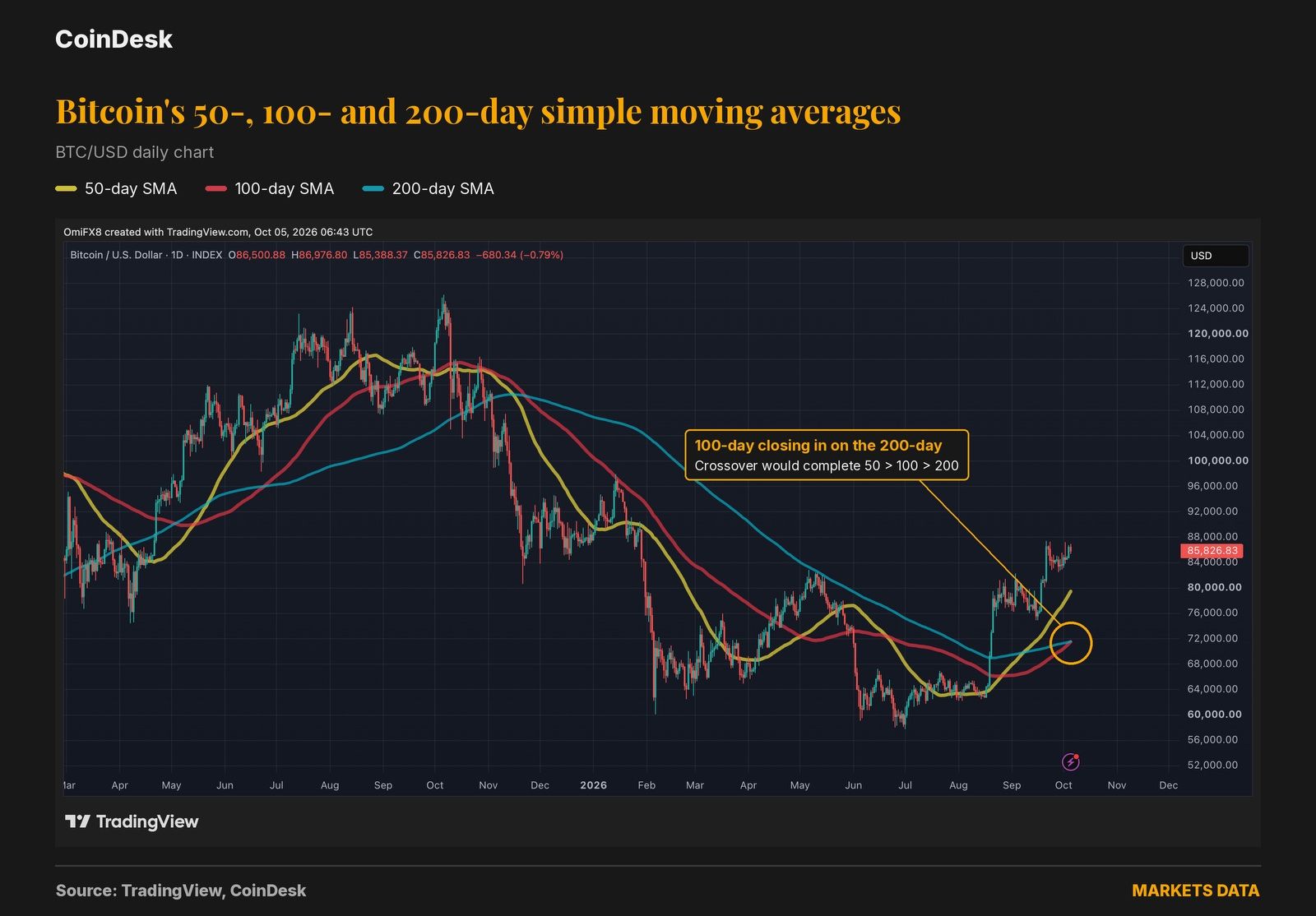
Technical analysis is the study of past price and volume data to predict future moves. A common tool is the moving average, which smooths out price fluctuations over a set period. When a short‑term moving average crosses above a long‑term one, it creates a “golden cross,” a classic bullish signal. Another example is a breakout, where price moves above a recent high resistance level accompanied by higher trading volume.
On‑chain metrics add another layer. An increasing hash rate—the total computing power securing the network—often signals confidence among miners and can precede price gains. Likewise, a rise in the number of active addresses or transaction volume suggests growing usage, which can also be interpreted as bullish.
Real‑world illustration
In September 2026, Bitcoin surged toward $87,000, nearly matching an eight‑month high before pulling back. Analysts pointed to a combination of a “golden cross” on the daily chart and a spike in on‑chain transaction volume as the bullish signals driving the rally. The price movement illustrated how multiple indicators can converge to create a strong market sentiment shift.
What it means for you
If you earn crypto through mining, staking, or cloud‑based rewards, a bullish signal can affect your bottom line in three ways:
- Revenue boost: Higher Bitcoin prices increase the fiat value of the coins you mine, making each block reward more profitable.
- Cost considerations: A rising price often leads to higher electricity costs in regions where utilities adjust rates based on demand, which can erode some of the gains.
- Strategic timing: Knowing when a bullish signal is forming can help you decide whether to hold mined coins for a potential price increase or to sell sooner to lock in earnings.
How to evaluate a bullish signal
Before acting on any price movement, run through this quick checklist:
- Confirm multiple indicators: Look for at least two independent signals (e.g., a moving‑average crossover plus rising on‑chain activity).
- Check volume: A price rise on low volume may be a false alarm; strong volume adds credibility.
- Assess market context: Consider broader factors such as regulatory news, macro‑economic data, or major institutional announcements.
- Calculate your break‑even: Compare the current Bitcoin price to your mining or reward cost per coin to see if a price rise actually improves profitability.
- Plan an exit strategy: Decide in advance at what price or profit level you would sell, to avoid emotional decisions during rapid moves.
FAQ
What is the difference between a bullish signal and a price spike?
A price spike is a single, often short‑lived jump in price. A bullish signal is an indicator that suggests the spike could be part of a longer upward trend, backed by technical or on‑chain data.
Can I rely solely on technical analysis for mining decisions?
No. Technical analysis shows market sentiment, but mining profitability also depends on hash rate, electricity costs, and hardware efficiency. Use technical cues alongside your cost calculations.
Do bullish signals guarantee higher earnings?
Never. Markets are unpredictable, and signals can fail. They merely increase the probability of a price rise. Always factor in risk and have a clear exit plan.
How often should I check for bullish signals?
For most casual earners, a weekly review of key indicators is sufficient. Active traders may look daily, but frequent checking can lead to over‑trading and higher transaction fees.
This article references reporting from coindesk.com.





