
Do you wonder whether sending crypto to a friend could trigger a tax form or a government report? This article explains how transaction reporting works in the United States, what thresholds mean, and how you can stay compliant while earning or moving digital assets.
What transaction reporting is and why it exists
In the United States, financial institutions must follow anti‑money‑laundering (AML) rules. These rules require them to file a Currency Transaction Report (CTR) or a Suspicious Activity Report (SAR) when certain conditions are met. For crypto, the Financial Crimes Enforcement Network (FinCEN) treats a “money transmitter” as any service that moves, exchanges, or stores digital currency on behalf of others. When a service qualifies, it must keep records of each transaction and, in some cases, report the activity to the Treasury.
The most well‑known threshold has been $10,000. If a user sends or receives $10,000 or more in a single transaction—or multiple transactions that add up to that amount within a 30‑day period—the service is required to file a CTR. The goal is to give regulators a way to spot large movements that could be linked to illicit activity, such as drug trafficking or terrorist financing.
How the rules have changed
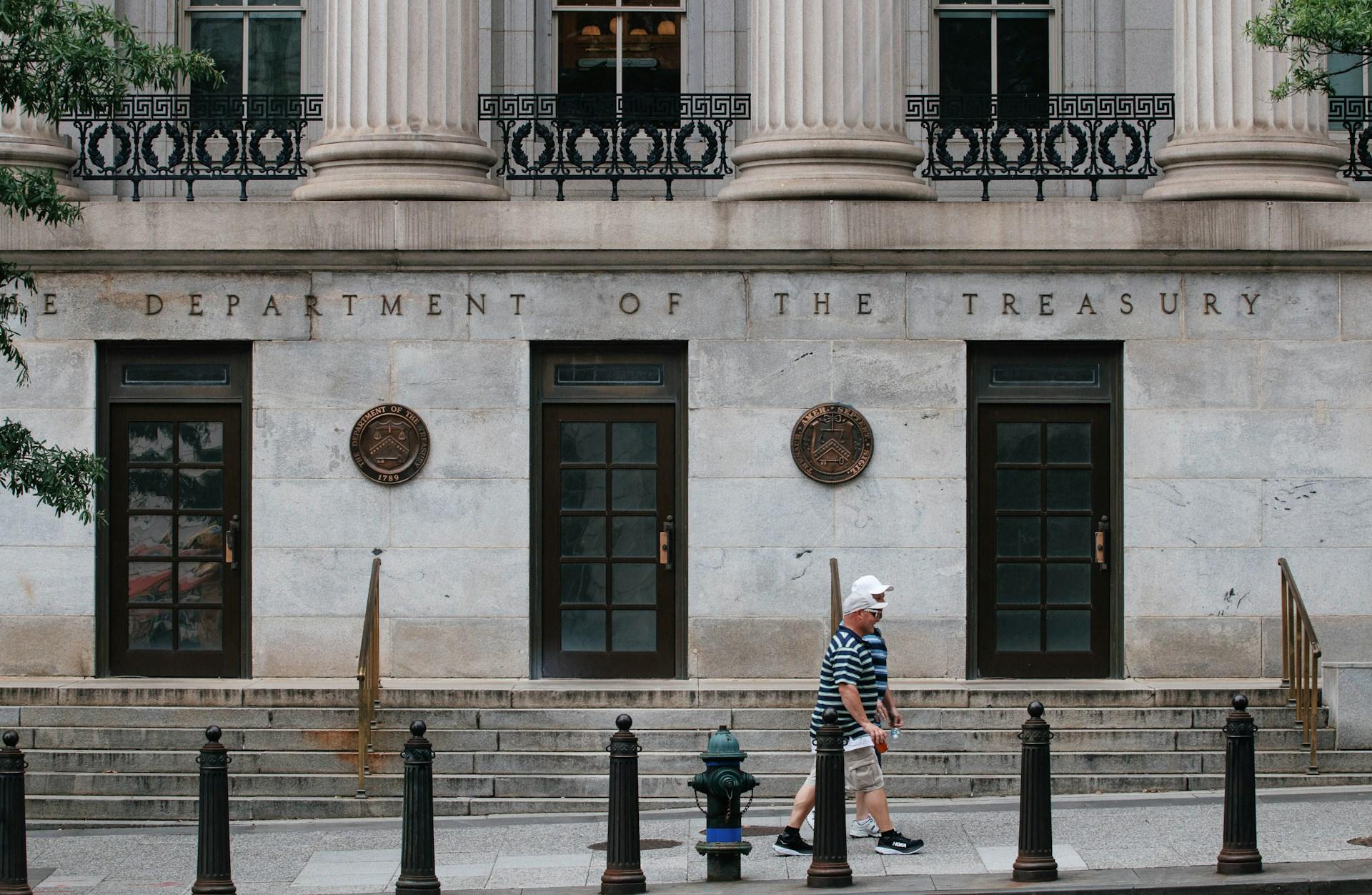
In March 2024, the Treasury Department proposed a rule that would have required reporting of any crypto transfer to a private wallet exceeding $10,000. The proposal generated a lot of discussion because it would have extended the existing bank‑style reporting framework to a broader range of crypto activities, potentially affecting everyday users who simply send a few hundred dollars to a friend.
However, in July 2024 the Treasury withdrew the proposal, deciding not to implement the new reporting requirement. The decision means that, for now, the existing AML obligations for crypto businesses remain unchanged: they must still monitor for suspicious activity and file SARs when warranted, but they are not required to file CTRs solely based on a $10,000 transfer to a private wallet.
What this means for you
Even though the specific $10,000 reporting rule was scrapped, the underlying principle remains: crypto services must keep an eye on large or unusual transactions. If you use an exchange, a custodial wallet, or a crypto‑payment processor, that platform will still be obligated to:
- Verify your identity under Know‑Your‑Customer (KYC) rules.
- Maintain records of every transaction you make.
- File a SAR if the activity looks suspicious, regardless of the amount.
For most casual users, this translates to a few practical steps:
- Choose platforms that are transparent about their compliance policies.
- Keep personal records of your crypto transfers, especially if you move large sums or use multiple services.
- Be prepared to answer questions from your provider if they flag a transaction as unusual.
How to evaluate a platform’s compliance posture
When you’re looking for a place to earn passive income, trade, or store crypto, consider these checkpoints:
- Licensing and registration: Is the service registered as a money transmitter with FinCEN or a state regulator?
- KYC procedures: Does the platform require a government‑issued ID and proof of address?
- Transparency reports: Does the company publish regular compliance or audit reports?
- Data retention: Does the service keep transaction logs for at least five years, as required by law?
FAQ
Do I need to report my crypto transfers on my tax return?
Yes. The IRS treats crypto as property, so you must report any taxable events—such as selling, swapping, or using crypto to purchase goods. Simple wallet‑to‑wallet transfers between your own accounts are not taxable, but you should keep records in case the IRS requests them.
Will I get a form from the Treasury if I send $10,000 in crypto?
No. The Treasury withdrew the proposed rule that would have generated a form for such transfers. However, your service may still ask you to confirm the purpose of the transaction for internal compliance.
What is the difference between a CTR and a SAR?
A CTR is filed for transactions that meet a specific monetary threshold (currently $10,000 for cash). A SAR is filed when a financial institution suspects illegal activity, regardless of the amount. Both are confidential and do not directly involve the customer.
Can I avoid reporting by using a non‑U.S. exchange?
Using a foreign exchange does not automatically exempt you from U.S. tax obligations. If you are a U.S. taxpayer, you must still report worldwide crypto activity on your tax return, and the IRS is increasing its focus on offshore platforms.
This article references reporting from coindesk.com.





