
Are you wondering why the price of Bitcoin swings so dramatically and what that means for anyone trying to earn crypto through mining? This article explains the forces behind Bitcoin’s price movements and how they directly impact mining rewards and profitability.
What drives Bitcoin’s price?
Bitcoin’s market price is set by supply and demand on global exchanges. Supply is relatively fixed: the protocol caps the total number of bitcoins at 21 million, and new coins are released at a predictable rate through mining. Demand fluctuates based on investor sentiment, macro‑economic factors, regulatory news, and the perceived utility of Bitcoin as a store of value or payment method.
Key drivers include:
- Investor sentiment: Positive news (e.g., institutional adoption) can push prices up, while fear of regulation or security breaches can pull them down.
- Macroeconomic conditions: Inflation concerns, interest‑rate changes, and currency devaluations often lead investors to view Bitcoin as a hedge, influencing demand.
- Regulatory developments: Proposals for reporting rules, tax guidance, or outright bans can create short‑term price spikes or drops.
- Market liquidity: Large buy or sell orders, especially from institutional players, can move the price quickly because the total market depth is limited compared to traditional assets.
Because Bitcoin’s supply schedule is known in advance, price changes are largely a reflection of how the market values those future coins.
A real‑world illustration
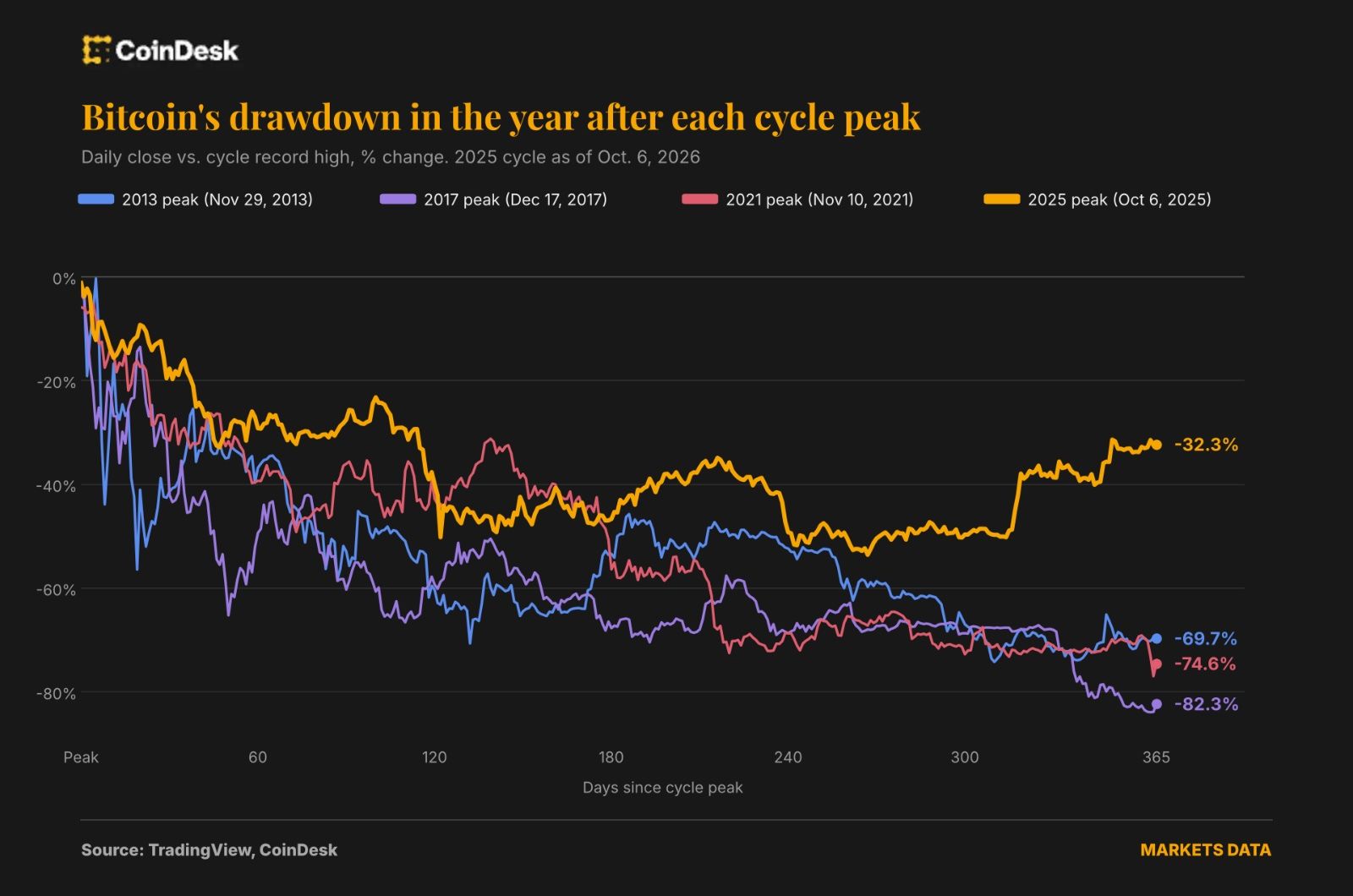
In March 2026, Bitcoin fell roughly 32 % from its all‑time high of $126,000, hovering around $87,000 as equity markets approached record levels. The drop coincided with a series of regulatory signals in the United States, including the U.S. Commodity Futures Trading Commission joining the Securities and Exchange Commission in proposing new crypto regulations. While the price movement itself is not permanent news, it serves as a clear example of how regulatory sentiment can trigger a sharp price correction.
What it means for you as a miner or passive earner
If you run a mining operation, your revenue comes from two sources: the block reward (newly minted bitcoins) and transaction fees paid by users. Both are denominated in Bitcoin, so a lower Bitcoin price reduces the fiat value of your earnings unless you can offset the loss with lower operating costs.
For cloud‑mining services or reward‑sharing platforms, the same principle applies. When the price drops, the amount of fiat you receive for the same amount of mined Bitcoin shrinks. However, mining difficulty—a measure of how hard it is to find a new block—adjusts roughly every two weeks. If many miners shut down because of low profitability, difficulty can fall, making it easier for the remaining miners to earn the same number of bitcoins, which can partially restore profitability.
How to assess mining profitability before you start
- Calculate break‑even cost: Estimate your electricity price (in $/kWh), hardware efficiency (watts per terahash), and other overhead. Compare the resulting cost per Bitcoin to the current market price.
- Monitor difficulty trends: Use tools that track the network’s mining difficulty. A falling difficulty can improve profitability even if the price stays flat.
- Consider hash‑rate share: Smaller miners benefit when large mining pools lose hash‑rate, as the network’s total work is spread among fewer participants.
- Factor in transaction fees: In periods of high network usage, fees can add a noticeable boost to earnings.
- Plan for price volatility: Keep a reserve of fiat or stablecoins to cover operating costs during price dips.
FAQ
Why does Bitcoin’s price affect my mining earnings if the block reward is fixed?
The block reward is fixed in Bitcoin, but its value in dollars or any other fiat currency changes with the market price. Your hardware produces a set number of bitcoins; the fiat income you receive depends on the price at the time you sell.
Can mining remain profitable when Bitcoin’s price is low?
Yes, if electricity costs are low, hardware is efficient, and network difficulty has decreased enough to offset the lower price. Some miners relocate to regions with cheaper power to stay viable.
How often does mining difficulty change, and why does it matter?
Difficulty is adjusted every 2,016 blocks, roughly every two weeks. The adjustment aims to keep block production at one block every ten minutes. When many miners exit the network, difficulty drops, making it easier to find blocks, which can improve profitability for the remaining miners.
Is it safer to earn Bitcoin through cloud‑mining services than by running hardware myself?
Cloud‑mining removes the need for upfront hardware purchase and ongoing maintenance, but it introduces counter‑party risk: you must trust the provider to deliver the promised hash‑rate and payouts. Always research the provider’s reputation, transparency, and contract terms before committing funds.
This article references reporting from coindesk.com.





