
Opening
Ever wonder what happens when a government takes control of cryptocurrency? This article explains the mechanics behind crypto seizures, how authorities turn digital assets into cash, and what the process means for anyone trying to earn online.
The plain explanation
When law‑enforcement agencies or regulatory bodies seize cryptocurrency, they are essentially taking legal ownership of the digital tokens. A seizure can result from criminal investigations, sanctions, tax defaults, or civil forfeiture. Unlike physical cash, crypto lives on a blockchain—a public ledger that records every transaction. To gain control, authorities must obtain the private keys or seed phrase that unlock the wallet holding the assets. Once they have the keys, the seized coins can be moved, held, or sold.
There are three common steps in a government crypto seizure:
- Identification and freezing. Investigators trace the blockchain addresses linked to illegal activity and request a court order to freeze the wallet. Freezing means the address cannot send funds without court approval.
- Custody. The agency transfers the assets to a secure custodial wallet that it controls. This may involve moving the coins to a cold‑storage device (offline hardware) to protect them from hacking.
- Disposition. The government decides how to dispose of the assets. Options include auctioning the tokens to the public, selling them on an exchange, or holding them for future use. The proceeds typically go to the Treasury or are used to compensate victims.
Because crypto transactions are irreversible, the seizure process relies heavily on legal authority rather than technical enforcement. Courts must issue orders that compel exchanges, wallet providers, or even individuals to hand over private keys or to block transactions.
A real example
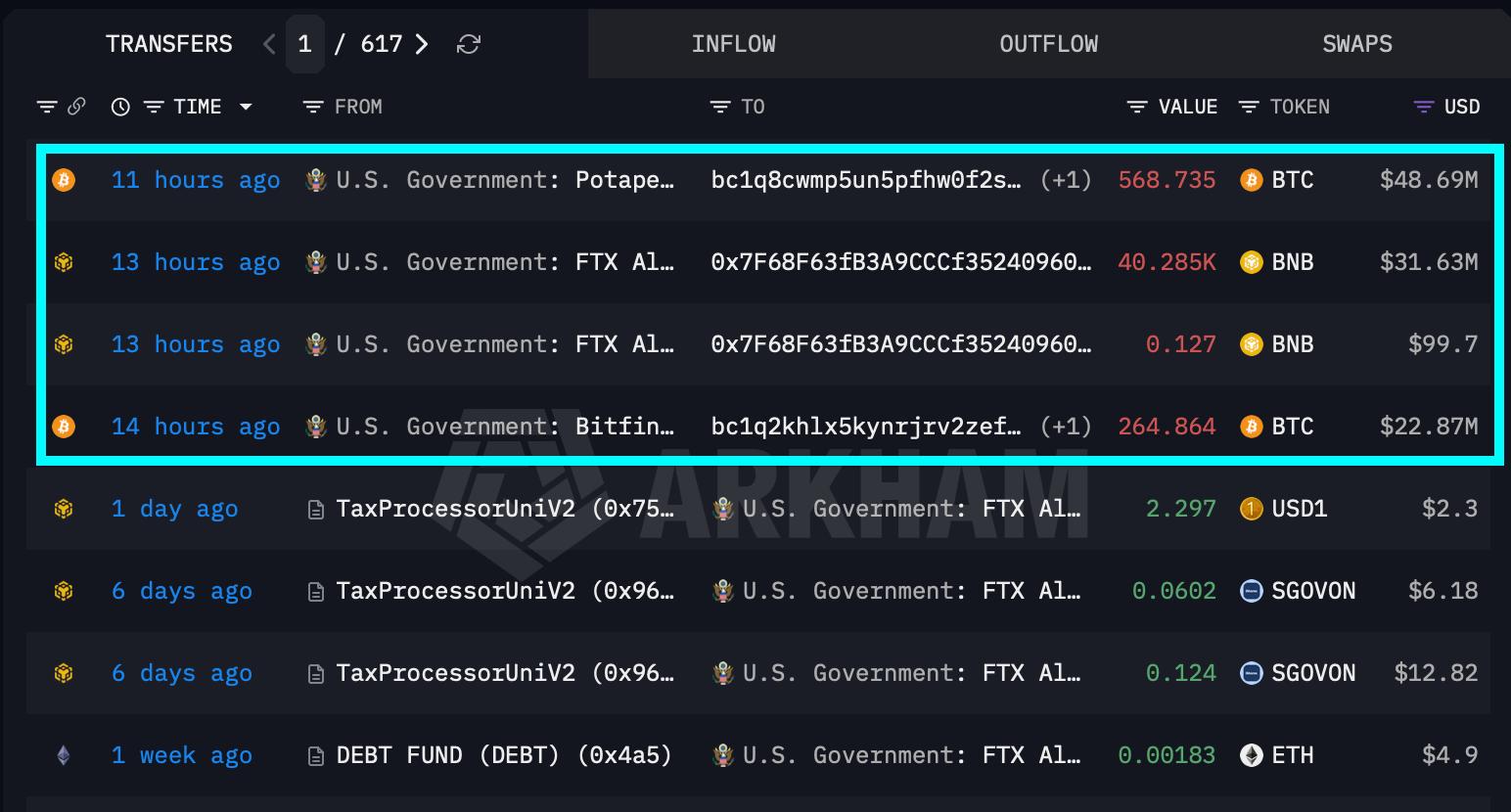
In March 2026, the U.S. Department of Justice announced that it had moved more than $100 million worth of Bitcoin (BTC) and Binance Coin (BNB) into a government‑controlled wallet. While the agency did not confirm whether the assets would be sold, the move illustrated the custody and disposition steps described above. The seized coins were likely transferred from addresses linked to illicit activity, then placed in a secure wallet pending a court‑ordered liquidation.
What it means for you
If you earn crypto through mining, staking, or cloud‑reward platforms, the existence of government seizures does not directly affect your daily earnings. However, the process highlights a few important points:
- Regulatory scrutiny. As authorities become more adept at tracing blockchain activity, compliance with tax and anti‑money‑laundering (AML) rules becomes essential.
- Market impact. Large government sales can create short‑term price pressure, especially if the assets are sold quickly on exchanges.
- Security awareness. Knowing that private keys are the ultimate control mechanism reinforces the need to protect your own wallets from loss or theft.
What to check / how to judge
When evaluating a platform or strategy for earning crypto, keep an eye on these factors:
- Compliance policies. Does the service have clear KYC (Know‑Your‑Customer) and AML procedures? Transparent policies reduce the risk of future seizures.
- Custodial vs. non‑custodial. Platforms that hold your private keys (custodial) may be more vulnerable to legal orders. Non‑custodial solutions let you retain control.
- Liquidity. If you plan to convert earnings to fiat, choose platforms with deep order books to avoid slippage if a large sell‑off occurs.
- Audit trails. Services that provide transaction records make tax reporting easier and help demonstrate legitimate earnings.
FAQ
Can the government seize crypto that I hold in a personal wallet?
Only if they obtain a court order and can access the private keys. Without the keys, they cannot move the funds, though they may compel you to hand them over.
Will a government sale of seized crypto cause a crash?
Large, sudden sales can push prices down temporarily, but markets usually absorb the volume over time. The effect depends on the size of the sale relative to overall market liquidity.
Do I need to report crypto earnings to the tax authorities?
Yes. In most jurisdictions, crypto earned from mining, staking, or rewards is taxable income, and any subsequent sale is a capital event. Keeping detailed records helps you stay compliant.
Is it safer to keep crypto on an exchange or in a hardware wallet?
Hardware wallets store your private keys offline, reducing the risk of hacks and legal seizure. Exchanges are convenient but can be compelled to freeze or transfer assets under a court order.
This article references reporting from coindesk.com.





