
Ever wonder how a digital coin can stay tied to a real‑world currency, or how physical assets like real estate can be turned into tradable tokens? This article breaks down the mechanics of stablecoins and asset tokenization, and shows you what to consider before getting involved.
What a Stablecoin Is and How It Keeps Its Value
A stablecoin is a type of cryptocurrency designed to maintain a stable price by being pegged to an external reference, such as a fiat currency (e.g., the US dollar or the Kazakh tenge), a commodity (like gold), or a basket of assets. The most common model is a fiat‑backed stablecoin, where each token is backed 1:1 by reserves held in a bank or trusted custodian. When you buy one stablecoin, the issuer stores an equivalent amount of the underlying fiat in a reserve account; when you redeem the token, the issuer releases the fiat back to you.
To preserve the peg, issuers use a combination of:
- Full reserve backing: Every token is matched by an equal amount of fiat, audited regularly.
- Algorithmic mechanisms: Smart contracts automatically mint or burn tokens based on supply and demand, though pure algorithmic models are less common due to price‑stability risks.
- Collateral pools: Some stablecoins hold a mix of assets (cash, government bonds, high‑quality securities) to provide a safety buffer.
Transparency is crucial. Regular third‑party audits, public reserve reports, and clear governance structures help users trust that the stablecoin truly reflects its claimed backing.
What Asset Tokenization Means
Asset tokenization is the process of representing a real‑world asset—such as property, commodities, or even intellectual property—as a digital token on a blockchain. Each token acts as a proof of ownership or a share in the underlying asset. Because blockchains provide immutable records, tokenized assets can be transferred quickly, fractionally, and with lower transaction costs compared to traditional markets.
Key steps in tokenization include:
- Asset identification: Define the asset, its legal ownership, and the rights the token will confer (e.g., dividend rights, usage rights).
- Legal structuring: Create a legal wrapper (often a special purpose vehicle) that holds the asset and issues tokens representing fractional ownership.
- Smart contract creation: Deploy code that governs token issuance, transfers, and any built‑in rules such as voting or profit distribution.
- Regulatory compliance: Ensure the token complies with securities, anti‑money‑laundering (AML), and know‑your‑customer (KYC) regulations in relevant jurisdictions.
Tokenization can unlock liquidity for traditionally illiquid assets, enable broader investor participation, and reduce intermediaries.
Real‑World Example: Kazakhstan’s Ten‑Gage Stablecoin Pilot
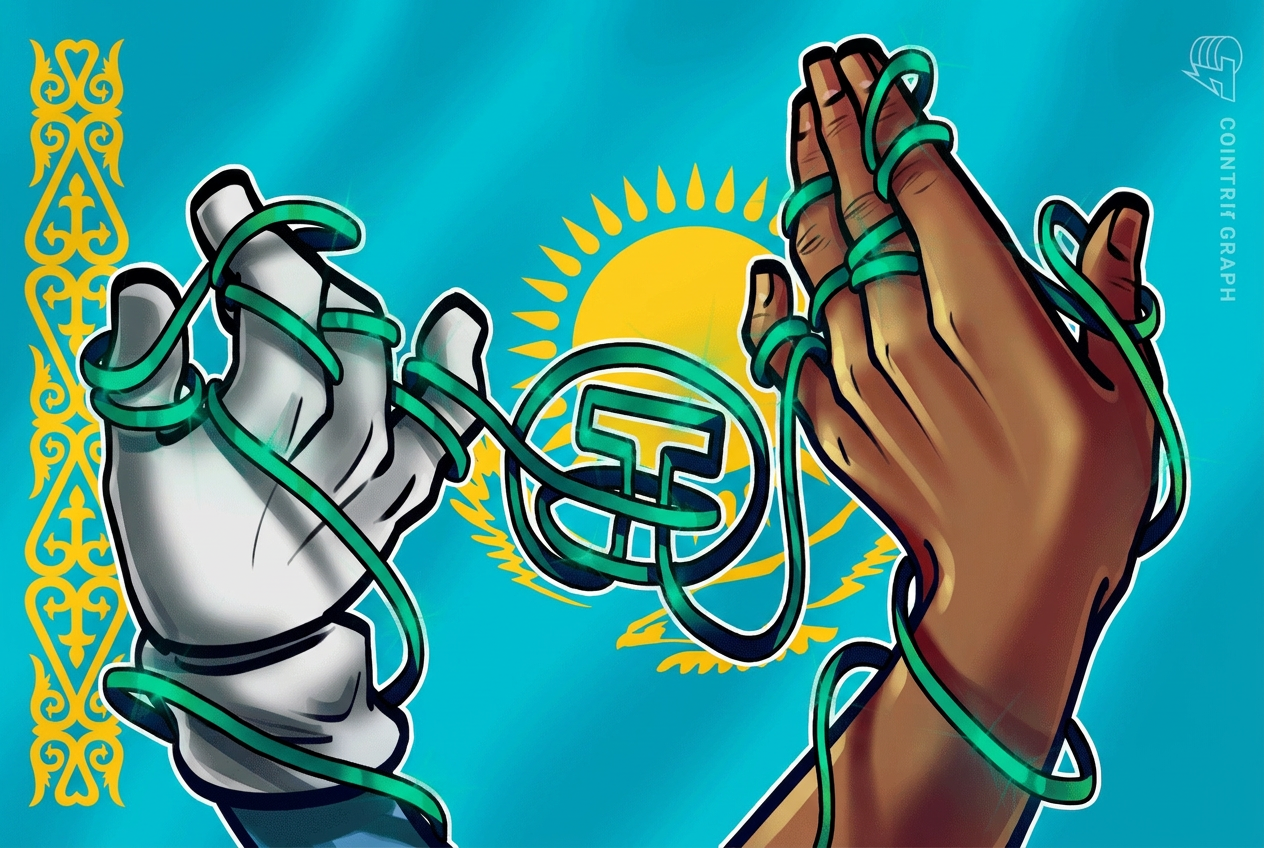
In October 2026, Tether signed a memorandum of understanding with the National Bank of Kazakhstan and the Alatau City Authority to explore a tenge‑pegged stablecoin and a framework for tokenizing real‑world assets. The parties plan to study international stablecoin models, identify use cases, and develop a pilot proposal for a tenge‑backed coin. They will also create an asset‑tokenization framework, potentially launching a pilot in Alatau using Tether’s Hadron platform. Workshops on stablecoin issuance, reserve management, and tokenization are part of the initiative.
What It Means for You: Practical Implications
If you are looking to earn online through crypto, stablecoins and tokenized assets can offer two distinct pathways:
- Stablecoin earnings: You can earn passive income by providing liquidity to stablecoin pools on decentralized finance (DeFi) platforms, or by lending stablecoins for interest. Because the price remains stable, earnings come from interest rates rather than price appreciation.
- Tokenized asset exposure: Fractional tokens of real estate or commodities let you invest with far less capital than buying the whole asset. Returns may come from rental income, dividends, or price appreciation of the underlying asset.
Both options carry risks. Stablecoins depend on the issuer’s reserve integrity; tokenized assets are subject to the underlying asset’s performance and regulatory changes.
What to Check Before Getting Involved
- Reserve transparency: Look for publicly audited reserve reports and clear custodial arrangements.
- Regulatory compliance: Verify that the issuer follows local AML/KYC rules and that the token’s legal structure aligns with securities regulations.
- Smart contract security: Ensure the code has undergone reputable third‑party audits to minimize the risk of bugs or exploits.
- Liquidity: Check whether the token is listed on reputable exchanges or DeFi platforms with sufficient trading volume.
- Governance: Understand who controls the stablecoin’s parameters (e.g., reserve management) and how decisions are made.
FAQ
Can a stablecoin lose its peg?
Yes. If the issuer’s reserves are insufficient, or if market confidence erodes, the stablecoin can trade below its target value. Regular audits and strong reserve management reduce this risk.
Do tokenized assets count as securities?
Often they do, because they represent ownership or profit rights. This means they must comply with securities laws, which can vary widely by country.
Is it safe to earn interest on stablecoins?
Interest‑earning platforms can be vulnerable to smart‑contract bugs or insolvency of the lending pool. Use platforms with audited contracts, transparent risk parameters, and consider diversifying across multiple services.
How can I verify a token’s backing?
Look for third‑party audit reports, on‑chain proof of reserves (if provided), and clear statements from the issuer about reserve composition and custody.
This article references reporting from cointelegraph.com.





