
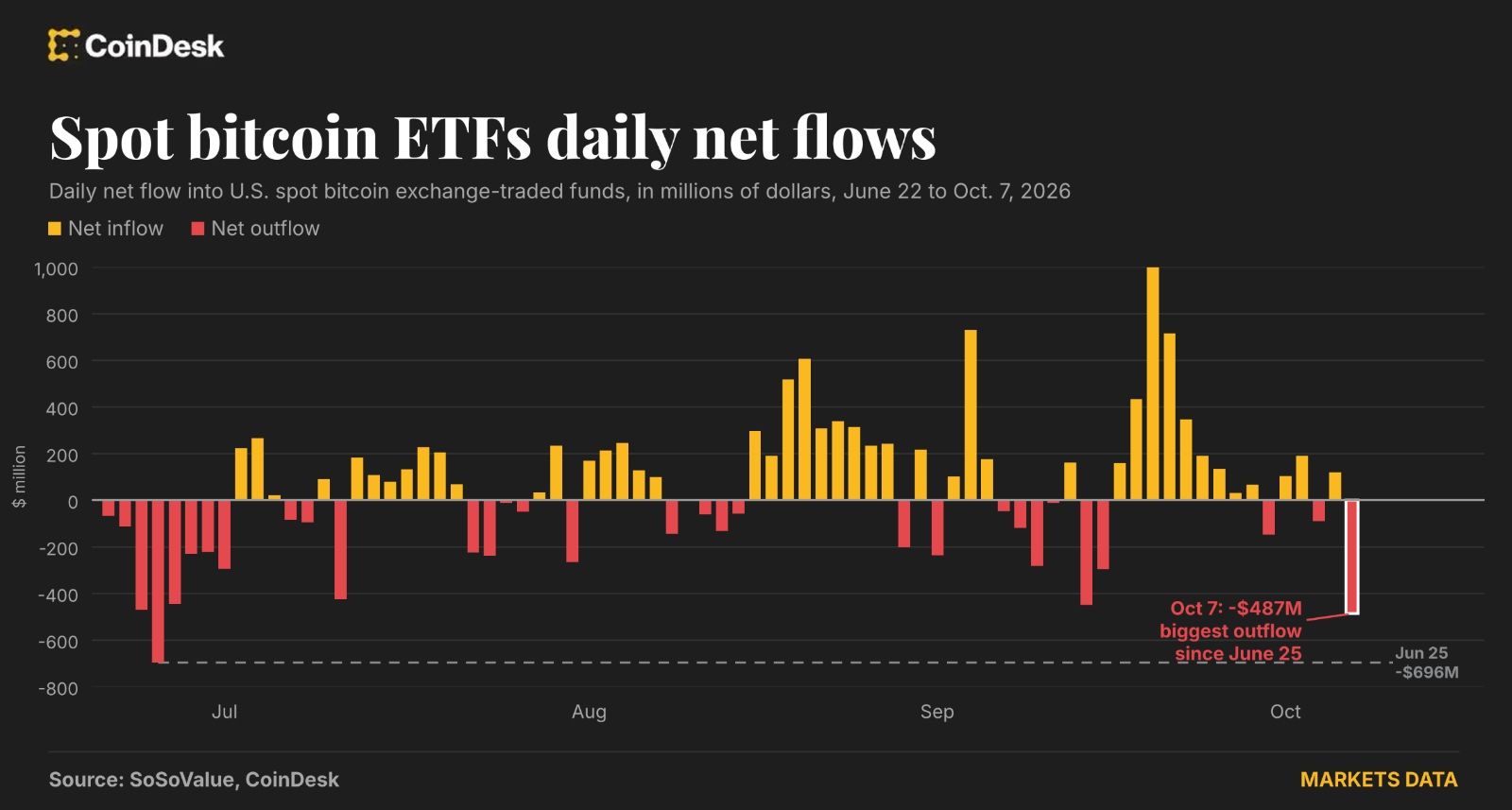
Are you wondering why a surge of investors suddenly sell their Bitcoin ETF holdings and what that means for your own crypto earnings? This article explains how Bitcoin exchange‑traded funds (ETFs) work, why investors move in and out of them, and what you should consider before using an ETF as part of a passive‑income strategy.
What a Bitcoin ETF Actually Is
An exchange‑traded fund (ETF) is a tradable security that tracks the price of an underlying asset—in this case, Bitcoin. When you buy a share of a Bitcoin ETF, you are not holding the cryptocurrency directly; instead, you own a claim on a pool of Bitcoin that the fund manager holds on your behalf. The ETF’s price moves in step with Bitcoin’s market price, plus any fees the fund charges for custody, management, and regulatory compliance.
Because ETFs trade on traditional stock exchanges, they can be bought and sold through standard brokerage accounts, eliminating the need for a separate crypto wallet or a direct purchase on a cryptocurrency exchange. This convenience makes ETFs attractive to institutional investors and retail traders who want exposure to Bitcoin without dealing with private keys, cold storage, or the technical aspects of blockchain.
Why Investors Enter and Exit Bitcoin ETFs
Investors’ decisions to buy or sell ETF shares are driven by several factors:
- Market sentiment: When Bitcoin’s price is rising, the prospect of further gains can attract new money. Conversely, a sharp correction can trigger fear and a rush to cash out.
- Regulatory news: Announcements from securities regulators—such as approvals, restrictions, or investigations—can sway confidence in the ETF’s legitimacy.
- Alternative opportunities: If other crypto products (like staking platforms or decentralized finance protocols) offer higher yields, investors may shift funds to chase better returns.
- Liquidity needs: Because ETFs settle like stocks, they can be sold quickly to meet cash requirements, making them a flexible tool for short‑term trading.
Real‑World Illustration
In March 2026, a market report noted that “Bitcoin ETF investors head for the exit, and it’s the biggest rush in months.” The article highlighted a wave of redemptions as the price of Bitcoin slipped below $83,000 and concerns grew about potential AI‑driven market manipulation. While the headline focused on the sell‑off, the underlying lesson is that ETF flows are highly responsive to price swings and external risk narratives.
What This Means for You
If you are looking to earn passive income through crypto, an ETF can provide exposure without the operational overhead of running a mining rig or managing a staking node. However, the same forces that caused the March 2026 outflow can affect your holdings. A sudden price drop may lead to rapid redemptions, which could impact the ETF’s liquidity and potentially widen the spread between the ETF price and the underlying Bitcoin price.
Moreover, ETF fees—typically ranging from 0.20% to 0.75% annually—reduce your net return. While these costs are modest compared with the expenses of self‑custody (such as hardware, electricity, and security), they are still a factor to weigh against any expected earnings.
How to Evaluate a Bitcoin ETF Before Investing
- Check the expense ratio: Lower fees mean more of the Bitcoin price movement stays in your pocket.
- Assess the custodian’s reputation: The fund’s security depends on the institution holding the Bitcoin. Look for audited storage practices and insurance coverage.
- Review liquidity: High daily trading volume and tight bid‑ask spreads make it easier to enter or exit without significant price impact.
- Understand the regulatory environment: ETFs approved by the SEC or comparable bodies are subject to strict oversight, which can provide additional investor protection.
- Compare alternatives: Evaluate whether direct Bitcoin ownership, staking services, or cloud mining platforms (such as EcoPool) might offer better net returns after accounting for risk and effort.
FAQ
Is a Bitcoin ETF the same as owning Bitcoin?
No. An ETF gives you exposure to Bitcoin’s price but you do not control the actual coins. You cannot transfer the underlying Bitcoin to another wallet or use it directly in decentralized applications.
Can I earn staking rewards through a Bitcoin ETF?
Bitcoin does not have a native staking mechanism, so ETFs do not generate staking rewards. Any yield you receive comes solely from the price appreciation (or depreciation) of Bitcoin and the fund’s expense ratio.
What happens if the ETF’s custodian loses the Bitcoin it holds?
Reputable ETFs use multi‑signature wallets, cold storage, and insurance to mitigate this risk. However, no system is infallible, so it’s important to read the fund’s prospectus and understand the safeguards in place.
Are Bitcoin ETFs suitable for long‑term passive income?
They can be part of a diversified portfolio, but because they do not generate ongoing rewards like staking or mining, the only income comes from price appreciation. For true passive income, you may need to explore other options such as cloud mining services or staking platforms that distribute regular rewards.
This article references reporting from coindesk.com.





