
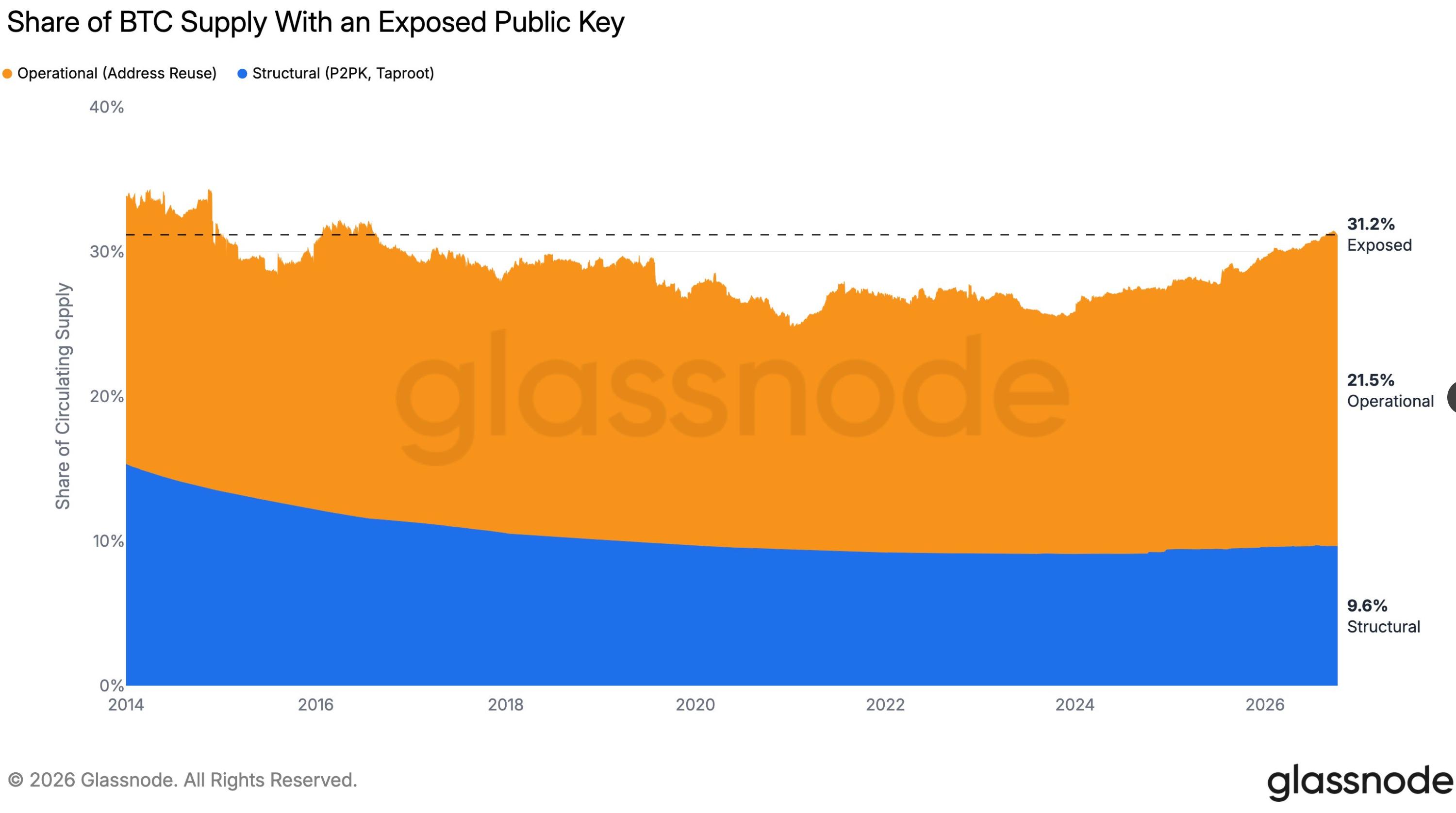
Ever wonder why a simple string of letters and numbers can put your crypto at risk? This article explains how publicly exposed Bitcoin addresses work, why they can become a security problem, and what steps you can take to keep your holdings safe.
The plain explanation
In Bitcoin, every wallet is identified by a public key (often represented as a Bitcoin address). The public key is like an email address: anyone can see it and send funds to it, but only the owner can spend the funds. To spend, you need the matching private key, a secret number that proves ownership. If a private key is ever revealed, anyone who knows it can move the coins without the owner’s consent.
Sometimes, private keys are unintentionally exposed. This can happen when a user copies a private key into a public forum, stores it in a cloud file without proper encryption, or uses a wallet that mistakenly displays the key. Even if the private key itself isn’t shown, an exposed public key can still be a warning sign. Attackers scan the blockchain for addresses that have never moved funds and then look for clues—such as reused passwords, weak encryption, or misconfigured servers—that might let them guess or retrieve the private key.
When a large number of addresses are known but never used, they become attractive targets for automated attacks. Tools powered by artificial intelligence (AI) can try billions of password combinations or exploit software bugs to crack weak private keys. If successful, the attacker can instantly transfer the funds to a new address under their control.
A real example
In a report published in March 2026, analysts highlighted that more than six million Bitcoin—worth over $8 billion at current prices—were sitting behind public keys that had been inadvertently exposed online. The exposure was not a direct leak of private keys, but the public visibility of the addresses made them easy targets for AI‑driven cracking attempts. Researchers warned that as AI tools become more efficient at guessing weak passwords and scanning for vulnerable wallets, the risk of large‑scale theft grows.
What it means for you
If you hold Bitcoin or any other cryptocurrency, the presence of exposed public keys in the ecosystem underscores two key points:
- Never reuse passwords or seed phrases. A single weak password can be the gateway for an attacker to derive a private key.
- Keep your private keys offline. Storing keys on hardware wallets or encrypted cold storage dramatically reduces the attack surface.
- Monitor your addresses. If an address you control shows no activity for a long period, consider moving the funds to a fresh address with a newly generated key pair.
What to check / how to judge
Before you trust a wallet or service, run through this short checklist:
- Encryption method. Verify that the service encrypts private keys with strong, industry‑standard algorithms (e.g., AES‑256) and never stores them in plaintext.
- Two‑factor authentication (2FA). Ensure the platform requires 2FA for any action that could expose a private key or seed phrase.
- Open‑source code. Open‑source wallets allow the community to audit the code for hidden backdoors or insecure key handling.
- Backup strategy. Use encrypted backups stored offline; avoid cloud sync services unless they provide end‑to‑end encryption.
- Address reuse. Generate a new address for each incoming transaction; reusing the same address can make it easier for attackers to focus their efforts.
FAQ
Why can’t I just keep my private key on a phone?
Mobile devices are connected to the internet and can be compromised by malware. A hardware wallet isolates the private key from any network, making it far harder for attackers to extract it.
What is “bunker mode” that some researchers mention?
“Bunker mode” is a precautionary stance where users move funds to highly secure, offline storage and stop using online wallets until the threat landscape stabilizes. It’s a way to “bunker down” against potential large‑scale attacks.
If my address has never moved, does that make it a target?
Yes. Static addresses are easy for scanners to flag. Regularly rotating addresses and moving funds can reduce the likelihood of being singled out.
Can AI really crack a strong private key?
Current AI tools can accelerate brute‑force attacks on weak passwords or poorly generated keys, but a properly generated 256‑bit private key remains computationally infeasible to crack with today’s technology.
This article references reporting from coindesk.com.





