
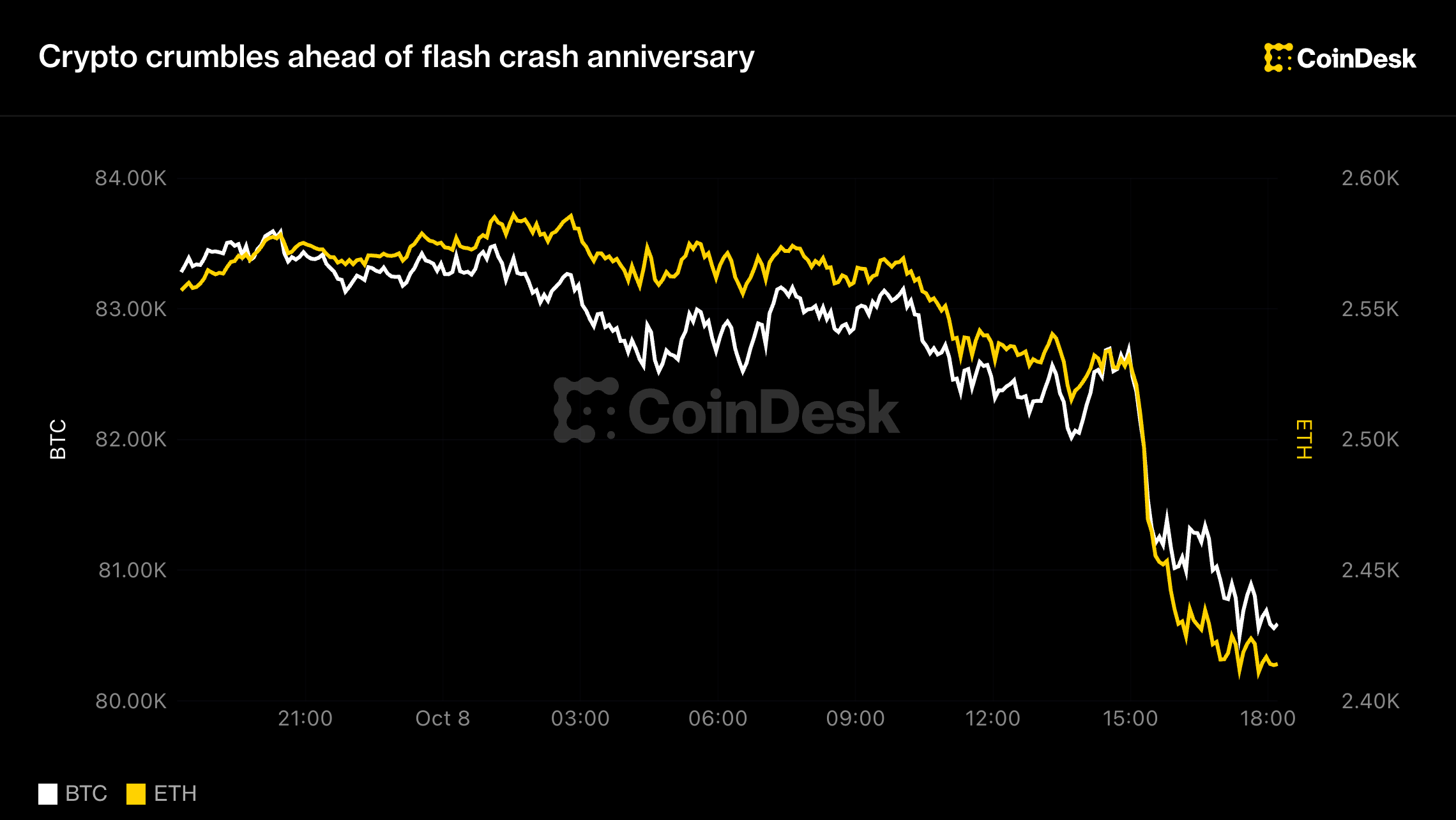
Do you wonder why crypto prices sometimes plunge dramatically in a matter of minutes, only to recover later? This article explains what a flash crash is, how it happens in cryptocurrency markets, and what you should consider when you’re trying to earn passive income online.
What a Flash Crash Is and How It Works
A flash crash is an extremely rapid and deep drop in the price of an asset that occurs within seconds or minutes. In traditional finance, flash crashes have been triggered by a combination of high‑frequency trading algorithms, sudden order imbalances, and liquidity shortages. The same dynamics apply to crypto markets, but with a few added twists.
When a large sell order hits an exchange that does not have enough buy orders (liquidity) at the current price, the market’s matching engine must find the next best price to execute the trade. If the order is large enough, the price can cascade downward as each subsequent sell order is matched at a lower price. Automated trading bots, which are common in crypto, may interpret the falling price as a signal to sell further, amplifying the decline.
Key factors that can trigger a flash crash in crypto include:
- Low liquidity: Smaller exchanges or thinly traded pairs have fewer orders on each side of the book, making them more vulnerable.
- Algorithmic trading: Bots that react to price changes within milliseconds can create feedback loops.
- Margin liquidations: When leveraged positions hit a liquidation threshold, the exchange automatically sells the collateral, adding pressure.
- External shocks: News events, regulatory announcements, or technical failures can cause a sudden surge in sell orders.
Because crypto markets operate 24/7 across many venues, price information can diverge between exchanges. Arbitrage traders may step in to buy the asset on a cheaper exchange and sell it where it’s higher, helping to restore equilibrium. However, the recovery can take minutes, hours, or sometimes days, depending on how quickly liquidity returns.
Real‑World Example
In March 2026, the crypto community marked the anniversary of the 2022 flash crash that saw Bitcoin briefly dip below $20,000 before rebounding. Analysts noted that the price drop was driven by a sudden surge in sell orders on a major exchange, compounded by automated liquidation of leveraged positions. The incident sparked renewed discussion about “bunker mode,” a strategy where holders move assets to cold storage to protect against rapid market moves and potential AI‑driven attacks.
What It Means for You
If you earn crypto through mining, staking, or cloud‑based reward platforms, a flash crash can affect you in several ways:
- Reward valuation: The fiat value of newly minted coins or staking payouts can drop sharply during a crash, reducing your immediate purchasing power.
- Mining profitability: Miners earn block rewards in the native coin. A sudden price fall can make the operation less profitable, especially if electricity costs are high.
- Staking risk: Some staking services lock assets for a period. If a crash occurs early in the lock‑up, you may be unable to sell at a better price.
- Liquidity access: On smaller platforms, a flash crash can make it harder to withdraw or trade your earnings quickly.
Understanding these impacts helps you plan for volatility rather than being caught off guard.
What to Check Before You Commit
When evaluating a platform or strategy for earning crypto, keep an eye on these concrete factors:
- Liquidity depth: Look at the order book on the exchange where you’ll receive payouts. Deeper books mean less price slippage during rapid moves.
- Withdrawal flexibility: Ensure you can move earnings to a personal wallet without long lock‑up periods.
- Risk controls: Platforms that offer stop‑loss or auto‑withdraw features can help you exit during a flash crash.
- Transparency of fees: High fees can erode earnings, especially when you need to sell quickly after a price drop.
- Security posture: Choose services with strong cold‑storage options and multi‑factor authentication to protect assets during market turbulence.
FAQ
What causes a flash crash in crypto?
It is usually a combination of low liquidity, large sell orders, automated trading bots, and forced liquidations of leveraged positions that push the price down very quickly.
Can I protect my earnings from a flash crash?
While you can’t stop market moves, you can reduce exposure by keeping a portion of your earnings in stablecoins or fiat, using platforms with quick withdrawal options, and setting up alerts or stop‑loss mechanisms.
Do flash crashes affect long‑term investors?
Short‑term price swings can be unsettling, but long‑term investors who hold assets through volatility often see the price recover over time. However, it’s wise to have an emergency fund in more stable assets to avoid forced selling.
Is “bunker mode” a good strategy?
“Bunker mode” refers to moving crypto to offline (cold) storage to protect it from rapid market moves and potential cyber threats. It can be effective for preserving value during extreme volatility, but it also limits your ability to earn rewards that require assets to stay online.
This article references reporting from coindesk.com.





