
Wondering why owning cryptocurrency can sometimes feel riskier than it should? This article explains how real‑world attacks on crypto holders work and what steps you can take to protect yourself and your assets.
The mechanics of “wrench attacks”
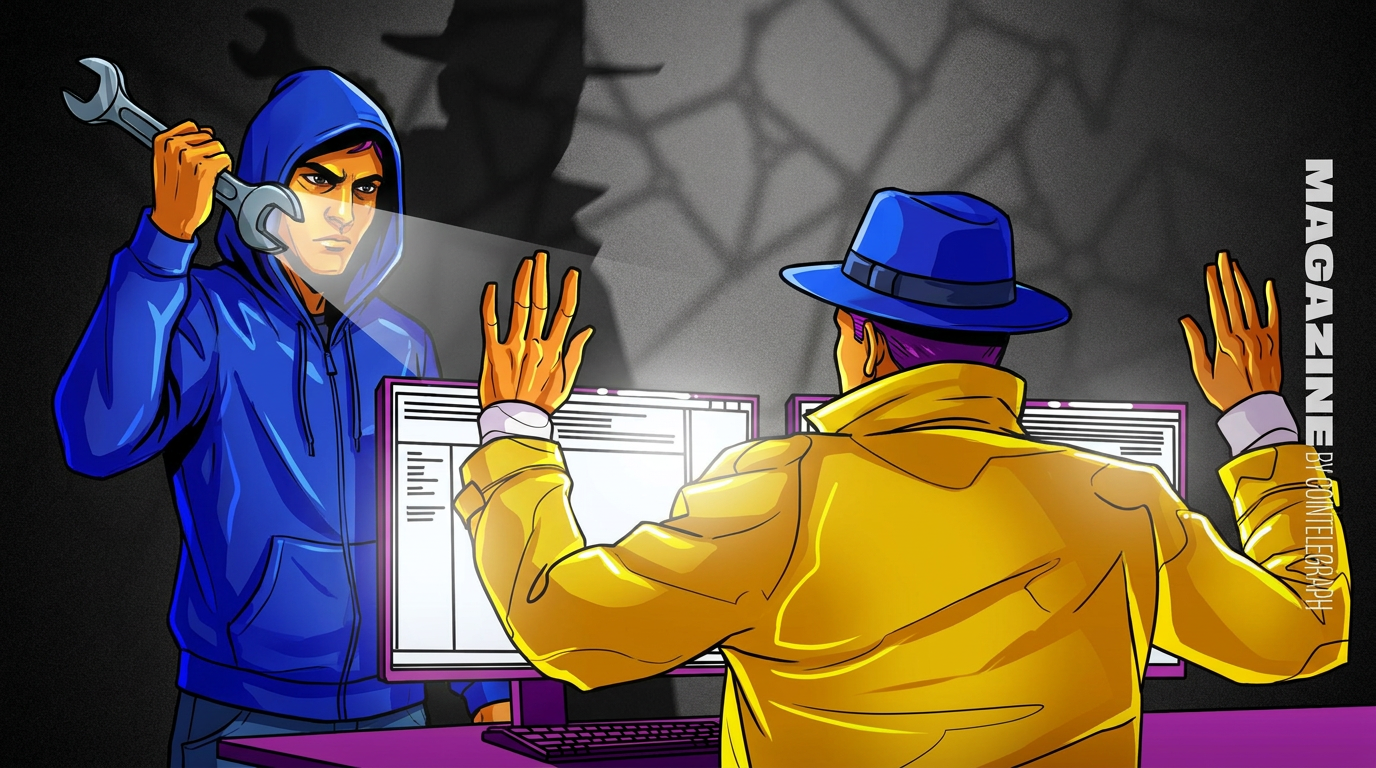
A “wrench attack” is a term for a physical robbery or violent crime aimed at a cryptocurrency holder. Unlike online scams that rely on phishing or malware, these crimes start with a criminal already knowing who the victim is, where they live, and that they own valuable digital assets. The attacker then uses force—often a simple tool like a wrench—to demand the victim hand over a seed phrase, private key, or to transfer crypto to a specified address.
Key concepts you need to understand:
- Seed phrase: A list of 12‑24 words that can recreate a crypto wallet. Whoever has the seed phrase can move the funds.
- Hardware wallet: A physical device that stores private keys offline, protecting them from online theft.
- Personal Identifiable Information (PII): Data such as name, address, and financial details that can be used to locate a person.
- Data breach: An incident where a company or agency unintentionally exposes PII to unauthorized parties.
When a breach releases PII linked to crypto holdings, criminals can cross‑reference that information with blockchain data (which is public) to identify high‑value targets. They then conduct reconnaissance—checking social media, monitoring deliveries, or even posing as service personnel—to confirm the target’s routine before striking.
Real‑world illustration
In October 2026, French authorities reported that from January 1 to mid‑August 2026 there were 90 documented crypto‑related violent incidents, including kidnappings, extortions, and home invasions. The surge followed two major data leaks: a 2024 compromise of the French tax authority that exposed taxpayers’ crypto holdings, and a January 2026 breach of the crypto tax reporting firm Waltio affecting about 50,000 users. These leaks gave criminals the “who, where, and what” they needed to plan attacks across cities such as Paris, Marseille, and Nantes.
What it means for you
If you hold cryptocurrency, the risk is not limited to online phishing. Physical threats become real when your identity and holdings are publicly linked. Even if you use a hardware wallet and keep your seed phrase offline, an attacker who knows you own crypto may still try to force you to reveal that phrase or to hand over the device. The stakes are higher when relatives or acquaintances are targeted, as criminals often use them as leverage.
How to evaluate your personal risk
- Check where your data is stored: Review any platforms that require you to disclose crypto holdings for tax reporting. Ensure they have strong security practices and consider using services that let you report without revealing exact amounts.
- Limit public exposure: Avoid posting details about your crypto portfolio on social media, forums, or public profiles. Even vague hints can be pieced together with other data.
- Secure your physical environment: Install robust home security—alarm systems, cameras, and reinforced doors. Treat your crypto holdings like any other high‑value asset.
- Use multi‑signature wallets: Require more than one private key to move funds. This adds a layer of protection if an attacker forces you to reveal a single key.
- Stay informed about data breaches: Subscribe to reputable security newsletters or follow trusted researchers. Promptly change any compromised passwords and consider moving funds if a breach involved your wallet addresses.
Quick checklist for crypto safety
- Store seed phrases in a fire‑proof, waterproof container, never digitally.
- Keep hardware wallets in a secure location separate from where you store other valuables.
- Use a VPN and strong, unique passwords for any online accounts linked to crypto.
- Consider a “decoy” wallet with a small amount of crypto to distract potential thieves.
- Regularly review who has access to your personal data and revoke unnecessary permissions.
FAQ
Can a hardware wallet protect me from a wrench attack?
It protects your private keys from online theft, but if an attacker forces you to hand over the device or reveal the seed phrase, the hardware wallet alone cannot stop the loss.
Should I hide my crypto ownership completely?
While complete secrecy is impossible on a public blockchain, minimizing public disclosures and using privacy‑focused wallets can reduce the chance that criminals identify you as a target.
What if my personal data was part of a breach?
Immediately assess which accounts were affected, change passwords, enable two‑factor authentication, and consider moving your crypto to a new wallet that was not linked to the compromised information.
Are relatives really at risk?
Yes. Criminals often target family members to pressure the primary holder. Keeping your crypto activities private from friends and relatives who do not need to know can lower this risk.
This article references reporting from cointelegraph.com.





