
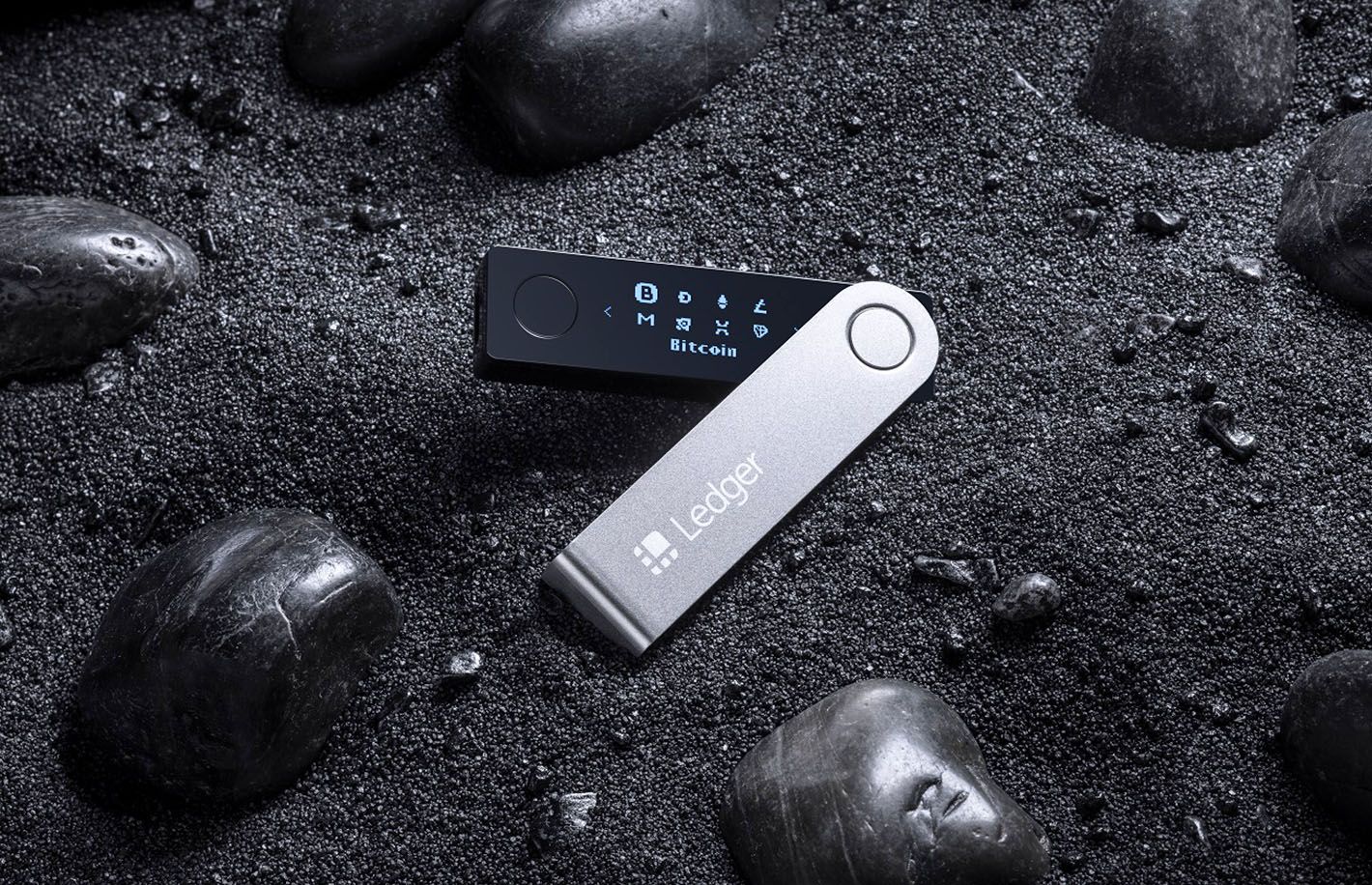
Wondering whether a hardware wallet truly protects your crypto assets? This article explains how hardware wallets work, the common ways they can be compromised, and what you can do to keep your holdings secure.
The plain explanation
A hardware wallet is a small, offline device that stores the private keys needed to move your cryptocurrency. Private keys are long strings of numbers that act like passwords; anyone who has them can spend the coins associated with the address. By keeping these keys on a device that never connects to the internet, hardware wallets protect them from online attacks such as phishing, malware, or hacking of exchanges.
When you want to send funds, you plug the wallet into a computer or smartphone, enter a PIN, and confirm the transaction on the device’s screen. The wallet signs the transaction internally, then sends only the signed data back to the online interface. Because the private key never leaves the device, an attacker who compromises your computer cannot steal the key.
Key terms:
- Private key: The secret code that authorizes spending of crypto.
- Public address: The readable string you share to receive crypto; it is derived from the private key.
- Signing: The process of using a private key to create a cryptographic proof that you approved a transaction.
- Firmware: The low‑level software that runs on the hardware wallet and controls its functions.
A real example
In March 2026, Ledger announced an investigation after reports that $86 million worth of crypto had been stolen from wallets that appeared to be Ledger devices. The company said the theft could involve “potential wallet tampering,” suggesting that attackers may have altered the device’s firmware or physical components to capture private keys when users entered their PINs.
What it means for you
The Ledger incident highlights that even the most secure offline devices can become vulnerable if their hardware or software is compromised before you receive them, or if they are altered after purchase. For everyday earners and passive‑income seekers, this means the security of your earnings depends not only on using a hardware wallet but also on verifying that the device is genuine and untampered.
What to check / how to judge
- Buy from official sources: Purchase directly from the manufacturer’s website or an authorized reseller. Third‑party sellers increase the risk of receiving a modified unit.
- Inspect the packaging: Authentic devices come sealed with tamper‑evident stickers and holographic seals. Any broken seal or mismatched serial numbers should raise a red flag.
- Verify firmware signatures: When you first power on the wallet, it should prompt you to install the official firmware. Confirm that the firmware hash matches the value published on the manufacturer’s site.
- Use a strong, unique PIN: Choose a PIN that is not easily guessable and avoid reusing it across devices.
- Enable passphrase protection: Some wallets let you add an extra passphrase that creates a hidden wallet. Even if the device is compromised, the attacker would still need the passphrase.
- Keep recovery seed offline: The 12‑ or 24‑word seed phrase is the ultimate backup. Store it on paper or metal in a secure location, never digitally.
- Regularly check device integrity: Some manufacturers provide apps that can verify the device’s integrity each time you connect it.
FAQ
Can a hardware wallet be hacked remotely?
Because the private key never leaves the device, remote attacks must first compromise the wallet’s firmware. This is rare but possible if a malicious update is installed. Always verify firmware authenticity before installing.
What should I do if I suspect my hardware wallet has been tampered with?
Stop using the device immediately. Transfer the funds to a new, verified wallet using the recovery seed on a trusted device. Contact the manufacturer’s support for guidance.
Is a hardware wallet still worth it if I only hold a small amount of crypto?
Even modest holdings benefit from offline protection. The cost of a hardware wallet is often lower than the potential loss from a compromised software wallet or exchange.
How often should I update my wallet’s firmware?
Update only when the manufacturer releases a signed update that addresses security vulnerabilities. Skipping updates can leave known bugs unpatched, while unofficial updates can introduce malware.
This article references reporting from coindesk.com.





