
Are you curious about how you can earn money by betting on real‑world events using crypto? This article explains the basics of prediction markets, how they operate on blockchain, and what regulatory oversight means for participants.
What is a prediction market?
A prediction market is a platform where users buy and sell contracts that pay out based on the outcome of a future event. Each contract, often called an event contract or binary option, represents a yes/no question such as “Will Candidate X win the election?” or “Will the price of Bitcoin be above $30,000 on December 31?”
When you purchase a contract, you are essentially staking cryptocurrency on your belief about the outcome. If the event resolves in your favor, the contract pays out at a predetermined value (usually 100% of the contract’s face value). If the outcome is opposite, the contract becomes worthless. Prices of contracts fluctuate based on the collective wisdom of the crowd, providing a market‑driven probability estimate for each event.
Key terms:
- Liquidity: The amount of capital available for buying and selling contracts. Higher liquidity means tighter spreads and easier entry/exit.
- Spread: The difference between the highest price a seller is asking and the lowest price a buyer is willing to pay.
- Maker fee / taker fee: Fees charged by the platform for providing (maker) or taking (taker) liquidity.
How do blockchain‑based prediction markets differ?
Traditional prediction markets run on centralized servers and often require fiat deposits. Blockchain versions use smart contracts to automate settlement, ensuring that payouts occur automatically once an oracle— a trusted data source— confirms the event result. This eliminates the need for a trusted intermediary to hold funds, enhancing transparency and reducing counter‑party risk.
Because the contracts are tokenized, they can be traded on decentralized exchanges, and users can retain full control of their private keys. However, the reliance on oracles introduces a new risk: if the oracle provides incorrect data, contracts may settle incorrectly.
Regulatory backdrop: a real‑world illustration
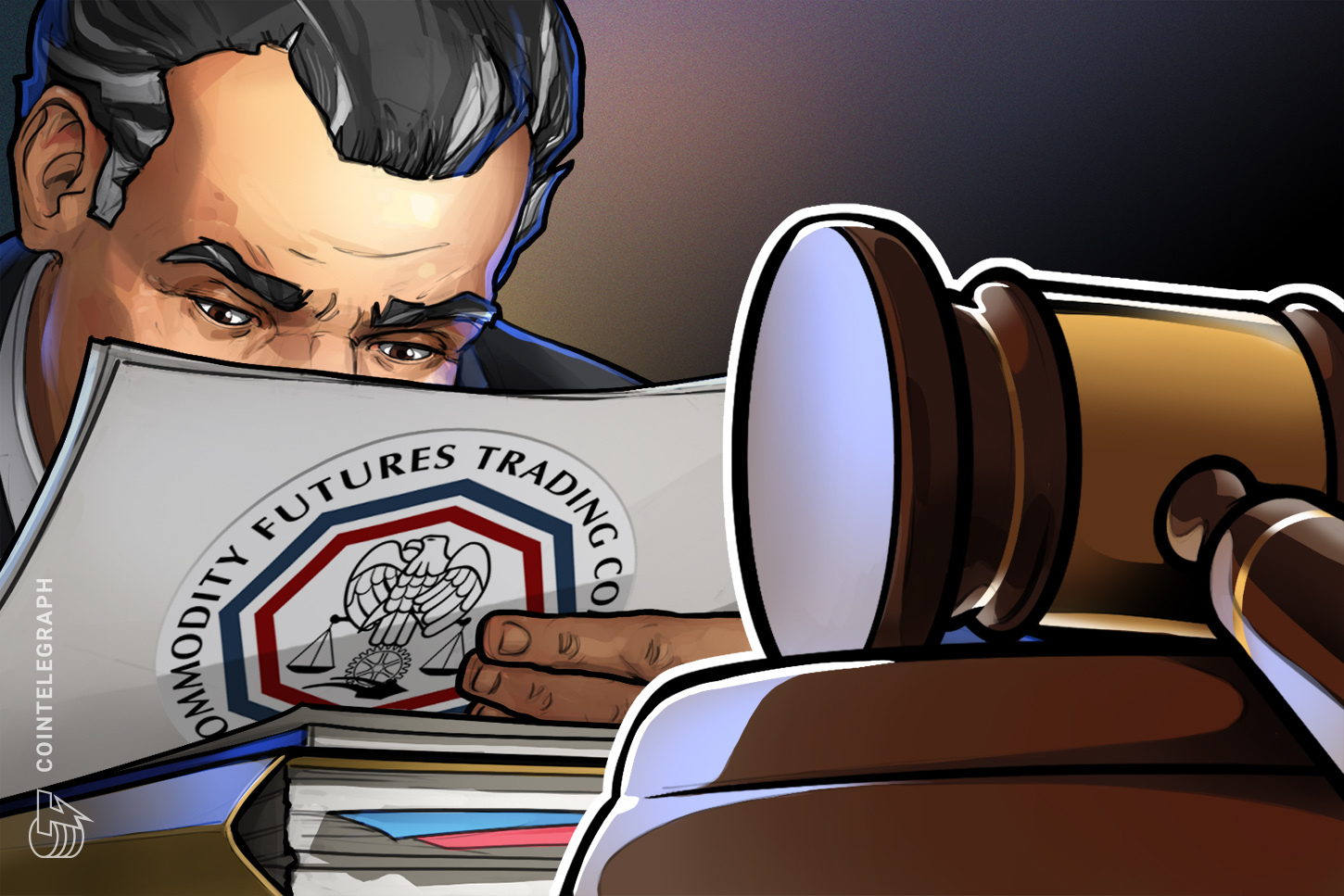
In October 2026, Blockchain.com filed applications with the U.S. Commodity Futures Trading Commission (CFTC) for two licenses: a Designated Contract Market (DCM) license to operate a futures exchange for event contracts, and a Futures Commission Merchant (FCM) license to act as a broker for crypto derivatives. If approved, the exchange could run its own prediction‑market marketplace for U.S. retail and institutional investors, rather than relying on partners like Polymarket.
This move reflects a broader regulatory trend. Courts are currently evaluating the status of platforms such as Kalshi and Polymarket, while state authorities have pursued lawsuits over alleged illegal betting on sports and elections. The CFTC’s involvement signals that, in the United States, prediction markets may be treated similarly to commodity futures, subjecting them to strict reporting, capital, and consumer‑protection requirements.
What this means for you as a potential earner
Regulation can affect both the safety and the accessibility of prediction markets. Licensed platforms must meet capital‑adequacy standards, maintain transparent order books, and implement anti‑money‑laundering (AML) controls. For users, this often translates into higher confidence that funds are protected and that market outcomes will be settled fairly.
On the flip side, compliance costs can lead to higher fees or reduced contract offerings. Some platforms may choose to limit participation to accredited investors or restrict certain event categories (e.g., political elections) to avoid legal complications. Understanding the regulatory status of a platform helps you gauge the trade‑off between convenience, cost, and legal risk.
How to evaluate a prediction‑market platform
- Licensing status: Verify whether the platform holds a CFTC DCM or FCM license (or equivalent in your jurisdiction). Licensed exchanges are subject to periodic audits.
- Liquidity and volume: Check the daily trading volume and the depth of the order book. Higher liquidity reduces slippage and improves price discovery.
- Oracle reliability: Research the data providers used for event settlement. Reputable oracles have transparent methodologies and a track record of accuracy.
- Fee structure: Compare maker and taker fees across platforms. Some may charge a flat percentage, while others use a tiered model based on volume.
- Compliance measures: Look for clear KYC (Know Your Customer) and AML policies. Platforms that enforce these are less likely to be shut down abruptly.
FAQ
Can I lose more than I invest?
No. In a binary contract you either lose the amount you staked or gain the payout. You cannot owe more than the initial stake, but you can lose the entire amount.
Are prediction markets legal everywhere?
Legality varies by country and, in the United States, by state. Some jurisdictions treat them as gambling, while others classify them as commodity futures. Always check local regulations before participating.
How are payouts settled?
When an event concludes, a trusted oracle reports the result to the smart contract. The contract then automatically transfers the payout to winning wallets and burns the losing contracts.
Do regulated platforms guarantee fair outcomes?
Regulation requires transparent reporting and audited processes, which reduces the risk of manipulation. However, no system can guarantee absolute fairness; users should still assess platform reputation and oracle integrity.
This article references reporting from cointelegraph.com.





