Are you wondering why some NFT marketplaces charge creators fees while others let them set their own terms? This article explains how royalty policies operate on NFT platforms, why they matter to artists and traders, and what you should consider before buying or selling NFTs.
The basics of NFT royalties
When an artist mints a non‑fungible token (NFT), they can embed a royalty—a percentage of the sale price that is automatically sent to the creator every time the token changes hands. This is possible because the royalty is written into the smart contract that governs the NFT. The royalty percentage is usually set at the time of minting and cannot be altered later without creating a new contract.
Royalty payments are meant to provide ongoing passive income for creators, rewarding them each time their work is resold. However, the ability to enforce royalties depends on the marketplace where the transaction occurs. Some platforms automatically honor the royalty data stored on‑chain, while others allow buyers and sellers to bypass it.
Two key terms often appear in discussions about royalties:
- Mandatory royalties – the marketplace forces the seller to pay the specified percentage to the creator.
- Optional royalties – the seller can choose whether to include the royalty in the transaction.
How marketplaces implement royalty policies
When a user lists an NFT for sale, the marketplace’s front‑end software reads the royalty information from the token’s contract. If the platform enforces mandatory royalties, the sale price is split automatically: the seller receives the net amount, and the royalty portion is transferred to the creator’s wallet.
If the marketplace offers optional royalties, the seller sees a checkbox or a field where they can decide the royalty amount. Some platforms even let sellers set a higher royalty than the contract specifies, offering extra incentives to the creator in exchange for promotional support.
These choices affect both sides of the trade. Mandatory royalties increase the cost for buyers and reduce the net proceeds for sellers, which can discourage quick flipping (short‑term resale). Optional royalties can lower transaction friction, making the marketplace more attractive for traders, but they also reduce the guaranteed income stream for creators.
Real‑world example: Blur’s shutdown and the royalty debate
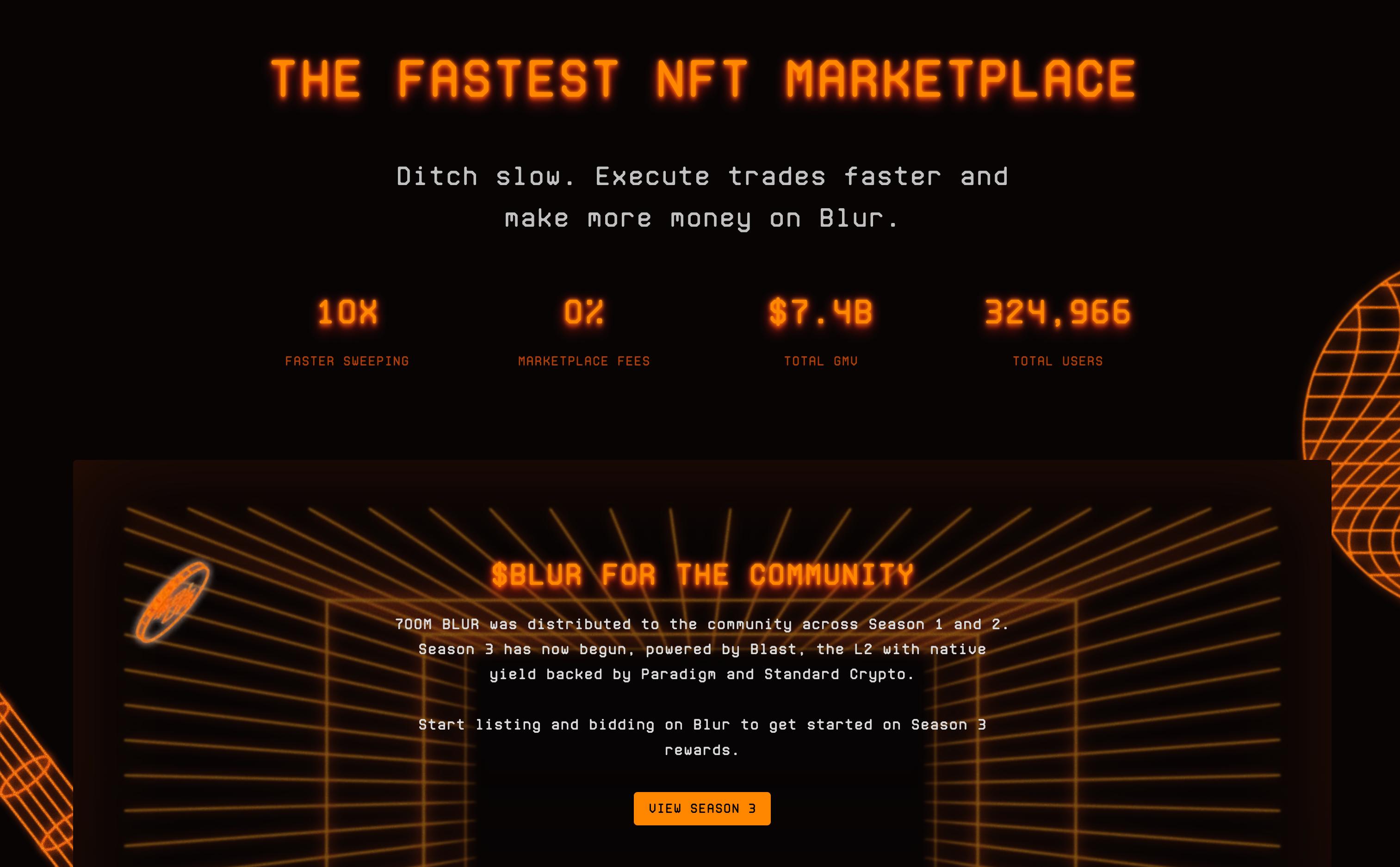
In October 2026, the NFT marketplace Blur announced that its website front‑end would close on 12 November 2026, while the on‑chain marketplace would stay active. The decision sparked a mixed reaction among collectors. Some praised the move, saying Blur’s policies had “destroyed NFTs” by encouraging low‑royalty, high‑turnover trading.
Blur’s rise in 2023 was driven by two features: optional creator royalties and a token‑reward system that gave extra incentives to traders who paid higher royalties. By allowing sellers to set royalties to zero, Blur attracted speculators who wanted to flip NFTs without paying fees, which in turn pressured rival platforms like OpenSea to also adopt optional royalties.
Analytics from Nansen showed that effective creator royalty fees fell from an average of 2.5 % in 2022 to just 0.6 % in July 2023, a shift largely attributed to Blur’s market share. While this lowered costs for traders, many artists complained that their passive income streams dried up, contributing to a broader decline in NFT sales volume.
What this means for you as a participant
If you are an artist, understanding royalty policies helps you choose a platform that aligns with your income goals. Mandatory royalty marketplaces guarantee a baseline income on each resale, but they may limit the exposure of your work to high‑frequency traders.
If you are a collector or trader, optional royalties can reduce your costs and increase liquidity, but you should be aware that paying lower or zero royalties may affect the long‑term health of the creator community. Some traders deliberately include higher royalties to support artists they like, which can also earn them goodwill and potential future collaborations.
For both sides, the existence of token‑reward programs adds another layer. Rewards are often distributed in a platform’s native token and are usually tied to activity such as trading volume or paying higher royalties. While these rewards can boost short‑term earnings, they may also create incentives to prioritize token accumulation over genuine artistic value.
How to evaluate a marketplace’s royalty model
- Check the royalty enforcement policy. Look for clear statements on whether royalties are mandatory or optional.
- Review the default royalty rates. Some platforms set a minimum royalty (e.g., 2 %) that cannot be lowered.
- Understand token‑reward mechanics. Determine if rewards are tied to paying higher royalties, and assess whether the token’s value is stable.
- Consider the creator community. Platforms with higher mandatory royalties often have more active artist support programs.
- Look at on‑chain data. Tools like Nansen or CryptoSlam can show average royalty percentages across marketplaces, giving you a sense of industry trends.
FAQ
Do I have to pay royalties when I buy an NFT?
Only if the marketplace enforces mandatory royalties. On optional‑royalty platforms, the seller may choose to omit the royalty, meaning you would not pay it at the point of purchase.
Can I change the royalty percentage after minting?
Generally, the royalty percentage is locked in the smart contract at minting. To change it, the creator would need to mint a new token with a different royalty setting.
Are token rewards taxable?
Yes. In most jurisdictions, receiving platform tokens as a reward is considered taxable income at the fair market value on the day you receive them. You should keep records and consult a tax professional.
Will lower royalties always lead to higher resale volumes?
Lower royalties reduce transaction costs, which can encourage more frequent trading. However, other factors such as the quality of the artwork, market sentiment, and platform liquidity also play major roles.
This article references reporting from cointelegraph.com.