Ever wonder why Bitcoin’s price can swing dramatically and how those swings affect anyone trying to earn crypto online? This article explains the core forces behind Bitcoin price changes, what they mean for miners and earners, and how you can assess the risks before getting involved.
What drives Bitcoin’s price?
Bitcoin’s price is set by supply and demand on global exchanges. Supply is relatively fixed – the protocol caps the total number of bitcoins at 21 million, and new coins are released at a predictable rate through mining rewards. Demand fluctuates based on a mix of factors:
- Market sentiment: News, social media chatter, and investor confidence can push prices up or down quickly.
- Macro‑economic conditions: Interest‑rate expectations, inflation data, and currency movements influence whether investors view Bitcoin as a hedge or a risky asset.
- Regulatory actions: Announcements about bans, licensing, or tax treatment in major economies can shift demand.
- Liquidity in related markets: Movements in stock indices, commodities, or fiat currencies often spill over into crypto because traders move capital between assets.
- Derivatives and leverage: Futures, options, and margin trading amplify price moves. When many traders are long (betting on a rise) or short (betting on a fall), small price changes can trigger liquidations that push the market further.
Because Bitcoin is traded 24 hours a day across dozens of platforms, price discovery is continuous. Even a short‑term event in one region can ripple globally.
Real‑world illustration
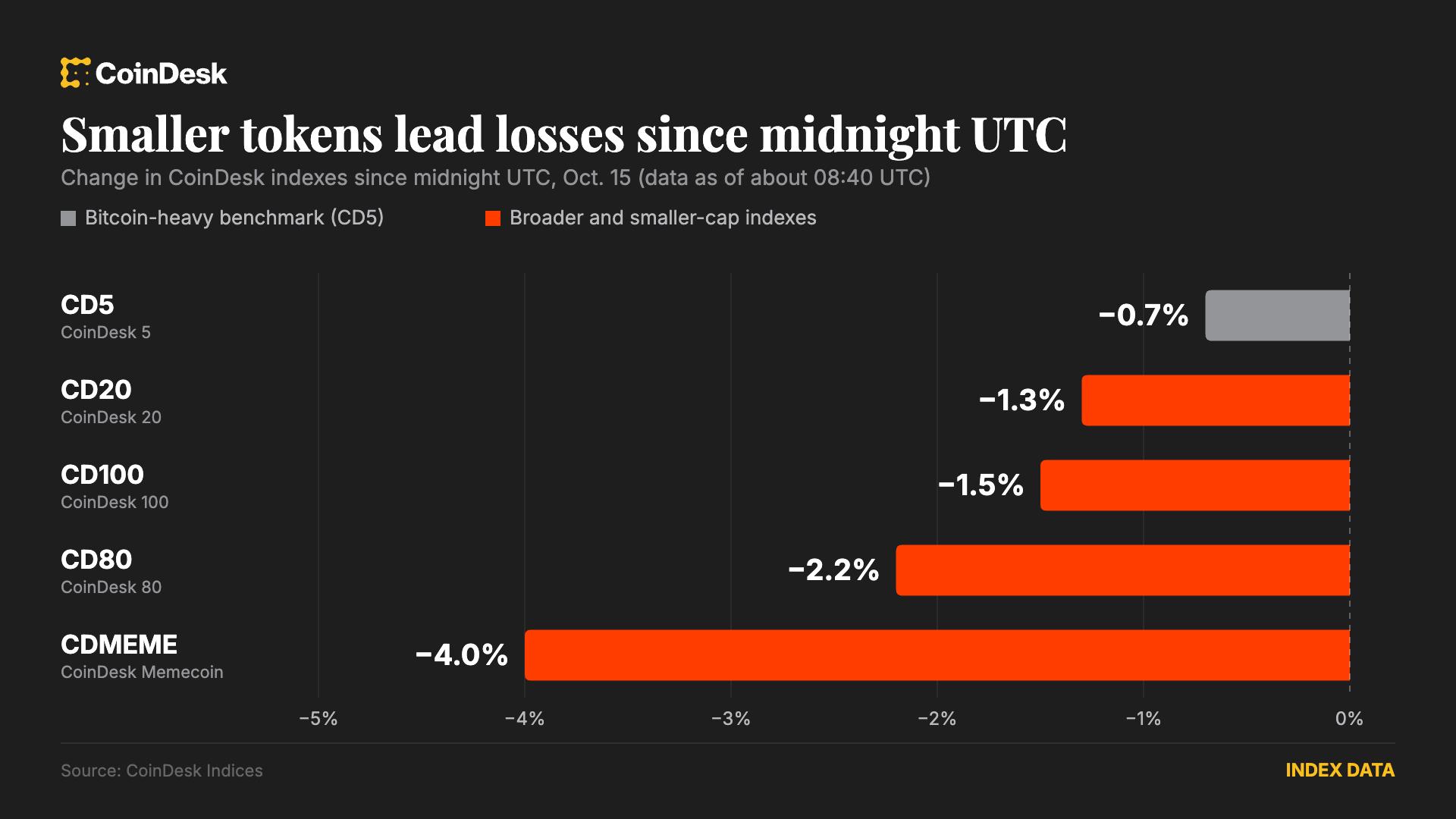
In March 2026, Bitcoin held just above $80,000 while Asian equities slumped. South Korea’s Kospi index fell 8 % and triggered circuit breakers, and Nasdaq 100 futures slipped about 1 %. The market reaction saw Bitcoin dip to $80,983 before rebounding to roughly $81,200. At the same time, crypto futures liquidations surged to nearly $1 billion, showing how a hot inflation report in the United States amplified leveraged positions. This example highlights how stock market turbulence, macro‑economic data, and leveraged trading all combine to move Bitcoin’s price.
What this means for you
If you are mining, staking, or using cloud‑reward platforms, Bitcoin’s price directly impacts your earnings. Mining rewards are paid in Bitcoin, so a price drop reduces the fiat‑equivalent value of each block you help secure. Conversely, a price rise boosts that value, but it can also raise the network’s difficulty, meaning you need more hash power to earn the same share of rewards.
For those earning through staking or “cloud mining” services, the same principle applies: the payout is often denominated in Bitcoin or a Bitcoin‑pegged token. A volatile price can turn a seemingly attractive annual percentage yield into a lower real‑world return, or vice‑versa.
How to evaluate a Bitcoin‑related earning opportunity
- Check the underlying revenue model: Understand whether rewards come from block subsidies, transaction fees, or a combination.
- Assess hash‑rate competition: Higher network difficulty means you need more hardware or a larger share of a mining pool to maintain earnings.
- Look at leverage exposure: Platforms that offer leveraged crypto products can generate high fees but also increase market risk.
- Monitor macro indicators: Interest‑rate expectations, inflation reports, and major equity index moves often precede crypto price swings.
- Review liquidity and withdrawal terms: Ensure you can move your earnings out of the platform without excessive fees or lock‑up periods.
FAQ
Why does Bitcoin sometimes rise even when the broader market is falling?
Bitcoin can act as a “digital safe haven” for some investors, so during equity market stress capital may flow into crypto, supporting its price. However, this behavior is not consistent; sometimes a stock market drop coincides with a Bitcoin sell‑off if investors need cash.
Do higher transaction fees mean higher earnings for miners?
Yes. When the network is busy, users pay larger fees to have their transactions confirmed quickly. Miners receive those fees in addition to the block subsidy, increasing total rewards. Fee spikes are often temporary, tied to network congestion.
Can I rely on past price performance to predict future earnings?
No. Bitcoin’s price is influenced by many unpredictable factors. Past performance can illustrate trends but does not guarantee future results. Always consider the volatility and your risk tolerance.
Is it safer to earn Bitcoin through staking rather than mining?
Staking typically involves locking up a token to help secure a proof‑of‑stake network, earning rewards in that token. It avoids the hardware costs and energy consumption of mining, but it also carries risks such as lock‑up periods and potential slashing penalties. Choose the method that matches your technical ability, capital, and risk appetite.
This article references reporting from coindesk.com.