Are you wondering why Bitcoin’s price seems to jump up and down with news about inflation or central bank meetings? This article explains how macro‑economic factors like inflation reports and interest‑rate decisions affect Bitcoin’s market dynamics and what that means for anyone trying to earn crypto online.
The basics: why the broader economy matters for Bitcoin
Bitcoin is a digital asset that trades on open markets, just like stocks or commodities. Its price is set by supply and demand, but the demand side is heavily influenced by investors’ expectations about risk, returns, and the overall health of the economy.
Inflation measures how quickly prices for goods and services are rising. When inflation is higher than expected, it signals that the purchasing power of a currency—like the U.S. dollar—is eroding. Some investors turn to assets they believe can preserve value, such as gold or Bitcoin, which can push demand (and price) higher.
Interest rates are the cost of borrowing money, set by central banks such as the Federal Reserve. When a central bank raises rates, it makes holding cash more attractive because you can earn higher yields on savings and bonds. Higher rates also strengthen the dollar, which often puts downward pressure on riskier assets like Bitcoin.
Because Bitcoin is priced in dollars, any factor that moves the dollar’s value will ripple through to Bitcoin’s price. The relationship isn’t one‑to‑one, but the correlation is strong enough that traders watch macro data closely.
Real‑world illustration
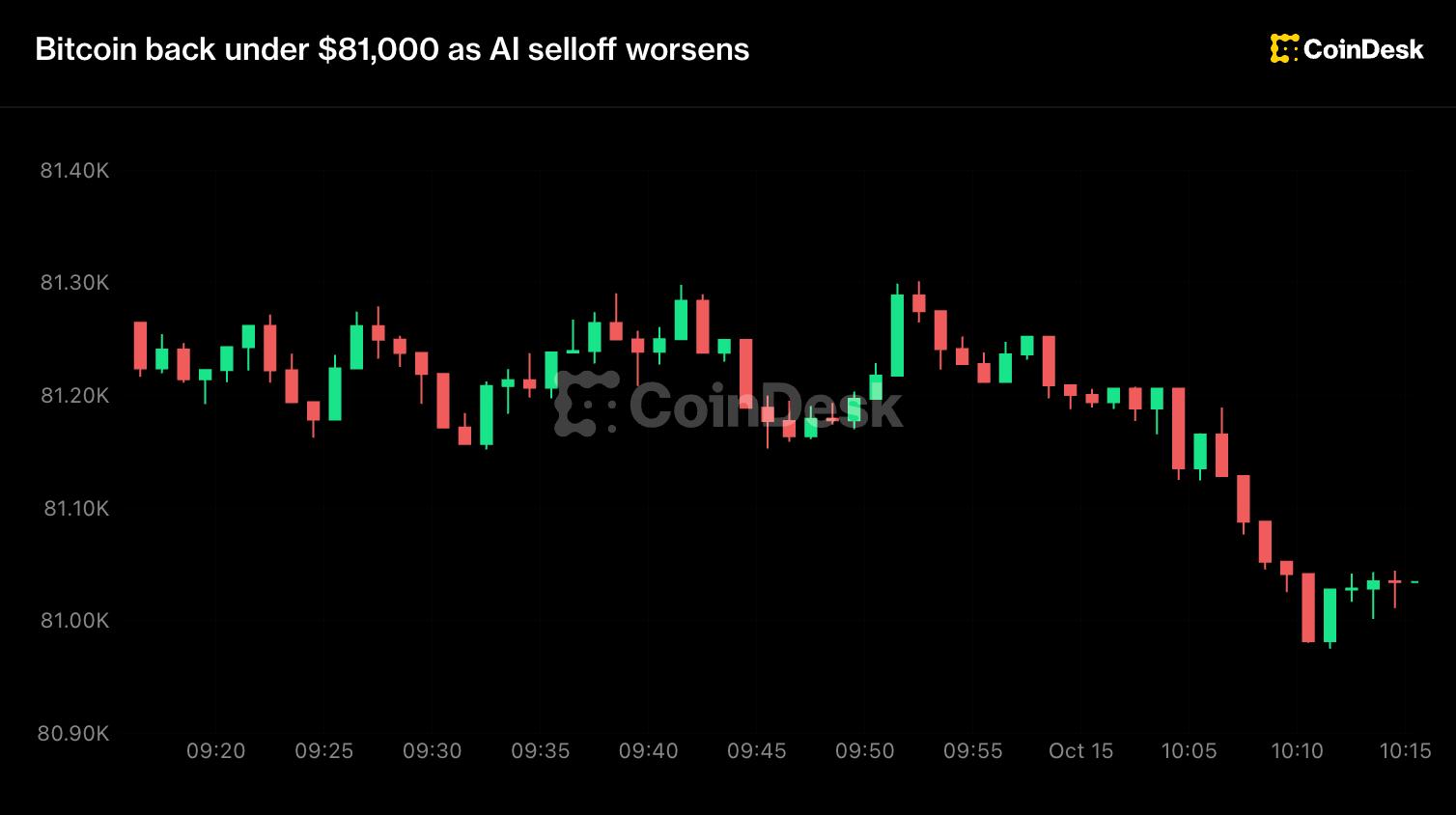
In early March 2026, a hotter‑than‑expected U.S. consumer‑price index (CPI) report showed core inflation of 2.6% versus a 2.5% forecast. The surprise pushed expectations of another Federal Reserve rate hike higher. As a result, the dollar gained strength and Bitcoin slipped from a brief peak near $84,000 to about $80,400, trading just under $81,000. At the same time, AI‑related stocks added pressure to risk assets, further weighing on Bitcoin’s price.
What this means for you as an online earner
If you earn Bitcoin through mining, staking, or cloud‑reward platforms, price swings directly affect the fiat value of your earnings. A sudden dip can reduce the dollar amount you receive, even if the number of coins you earn stays the same.
Conversely, a price rally can boost your earnings in fiat terms, but it may also increase competition for mining resources, raising electricity costs and reducing mining profitability. Understanding the macro backdrop helps you anticipate when your crypto income might be more volatile.
How to assess macro risk before you commit
- Watch key inflation releases. In the U.S., the CPI is published monthly. Look for the “core” figure (which excludes food and energy) because it’s a better gauge of underlying price pressure.
- Track central‑bank calendars. Federal Reserve meetings, European Central Bank decisions, and other policy events often cause short‑term market moves.
- Monitor the dollar index (DXY). A rising DXY usually signals a stronger dollar, which can suppress Bitcoin’s price.
- Consider diversification. Relying solely on Bitcoin earnings can expose you to macro risk. Adding other crypto assets, stablecoins, or even traditional savings can smooth out volatility.
- Factor in your time horizon. If you plan to hold earnings for months or years, short‑term price swings matter less than the overall trend.
FAQ
Why does a higher inflation rate sometimes push Bitcoin up?
Higher inflation erodes the value of fiat currencies, leading some investors to seek assets that might act as a store of value. Bitcoin is often marketed as “digital gold,” so demand can rise, lifting the price.
Can I protect my Bitcoin earnings from a strong dollar?
One common approach is to convert a portion of your earnings into stablecoins pegged to the dollar or other fiat currencies. This can lock in value while you wait for a more favorable market move.
Do interest‑rate hikes always hurt Bitcoin?
Not always, but they often do. Higher rates increase the opportunity cost of holding non‑interest‑bearing assets like Bitcoin, and they tend to strengthen the dollar, both of which can pressure Bitcoin’s price.
Should I stop mining when Bitcoin prices fall?
Mining profitability depends on both the price of Bitcoin and the cost of electricity and hardware. If the price drop makes your mining operation unprofitable after covering costs, it may be wise to pause or switch to a more efficient algorithm, but the decision should be based on a detailed cost‑benefit analysis.
This article references reporting from coindesk.com.