Ever wondered how a physical object like a car can be turned into a digital token you can trade online? This article explains the concept of tokenized real‑world assets, how the technology works, and what it means for anyone looking to earn passive income through crypto‑based investments.
What tokenization actually is
Tokenization is the process of creating a digital representation of a real‑world asset on a blockchain. The asset—whether it’s a piece of art, real estate, a gold bar, or even a car—is linked to a unique cryptographic token. Each token is recorded on a distributed ledger, which provides an immutable record of ownership and transaction history.
Key terms:
- Blockchain: A decentralized database where each block of transactions is linked to the previous one, making the data tamper‑proof.
- Token: A digital unit that can represent anything of value. In tokenization, the token is a stand‑in for the underlying physical asset.
- Smart contract: Self‑executing code on the blockchain that enforces the rules of the token, such as transfer conditions or dividend payouts.
- Fractional ownership: The ability to split a high‑value asset into many smaller tokens, allowing investors to own a fraction rather than the whole item.
When an asset is tokenized, a trusted custodian or the asset’s owner typically holds the physical item in a secure location. The blockchain token then serves as proof that the holder owns a claim to that item. Because the token can be divided, investors can buy and sell tiny slices of a $100,000 artwork or a $200,000 car, something that would be impossible in the traditional market.
How the process works step by step
- Asset appraisal and verification: An independent third party assesses the asset’s value and confirms its authenticity.
- Legal structuring: The asset is placed into a legal entity (often a trust or a special purpose vehicle) that issues the tokens. This structure defines the rights of token holders.
- Token creation: A smart contract on a blockchain mints a fixed number of tokens that represent the total ownership of the asset.
- Custody: The physical asset is stored securely, with the custodian providing regular audits to assure token holders that the asset remains intact.
- Distribution and trading: Tokens are sold to investors, often through a platform that complies with local securities regulations. After purchase, tokens can be transferred on secondary markets just like any other cryptocurrency.
Real‑world illustration
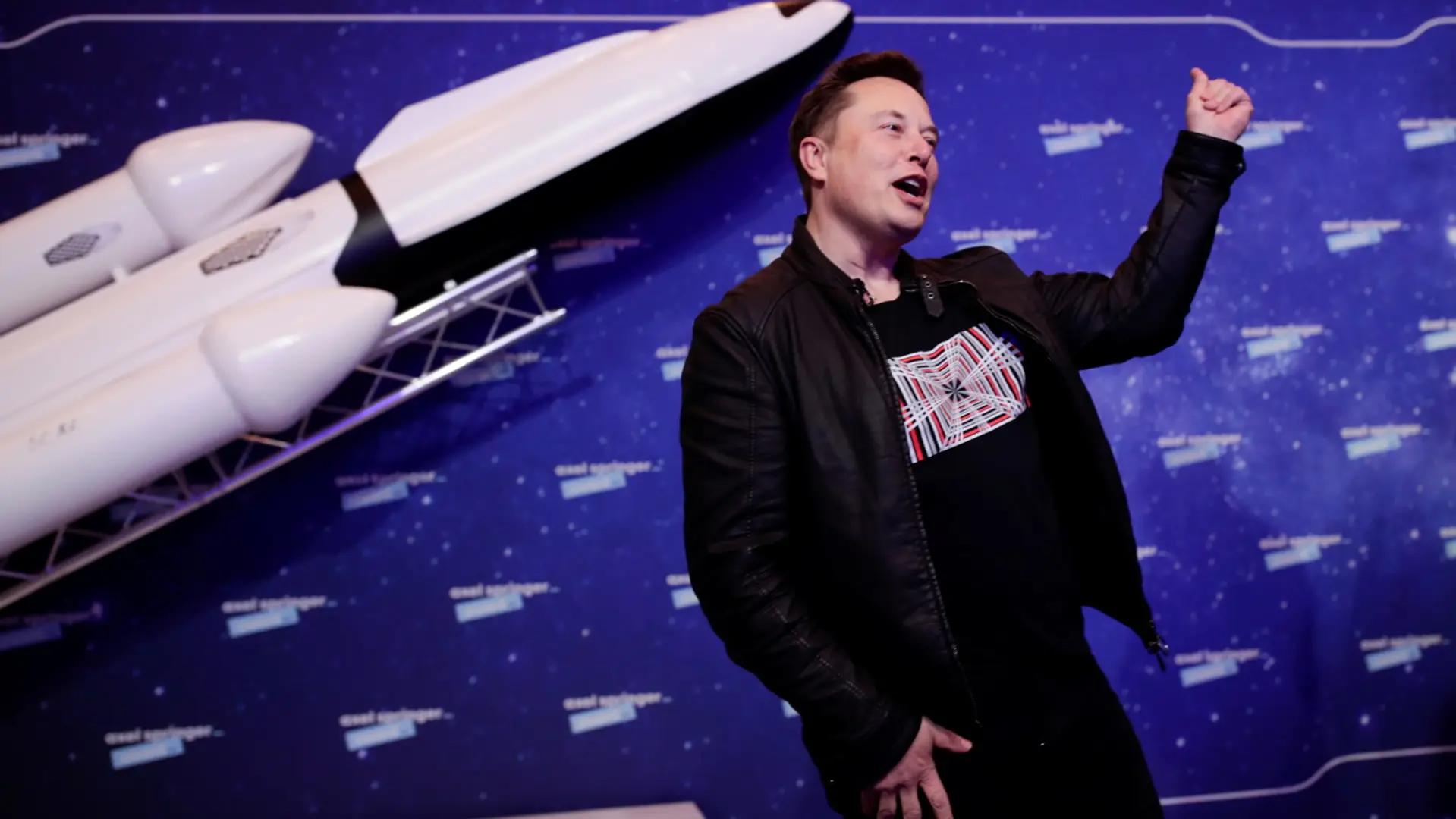
In March 2026, a tokenized version of Elon Musk’s iconic Tesla Roadster—now equipped with a SpaceX‑powered flying prototype—experienced a sharp price increase on various crypto exchanges. The token, backed by the actual vehicle, allowed investors to buy and sell fractions of the car without ever seeing the physical object. This surge highlighted how novelty and brand recognition can drive demand for tokenized assets, much like traditional collectibles.
What this means for you
Tokenized assets open a new avenue for earning passive income. By holding tokens that represent a revenue‑generating asset—such as a rental property or a piece of equipment that earns leasing fees—you can receive regular payouts, often distributed automatically by a smart contract. Even non‑income‑producing assets can appreciate in value, giving you the chance to profit from price movements without needing to manage the underlying item.
Because tokens are divisible, you can start with a modest amount of capital. Instead of needing $50,000 to buy a whole car, you might purchase $100 worth of tokens that represent a 0.2% share. This lowers the barrier to entry and diversifies risk across multiple asset classes.
What to check before investing
- Custodian reputation: Verify who holds the physical asset and whether they provide regular, independent audits.
- Legal framework: Ensure the token complies with securities laws in your jurisdiction; look for clear documentation of token holder rights.
- Smart contract audit: Confirm that the contract governing the token has been reviewed by reputable security firms to avoid bugs or exploits.
- Liquidity: Check whether the token is listed on reputable secondary markets and assess the typical trading volume.
- Underlying asset health: Understand the asset’s market dynamics—does a flying car have a realistic revenue model, or is its value purely speculative?
FAQ
Can I sell my tokenized asset anytime?
Yes, as long as there is a market that supports the token. You can transfer the token to another wallet or sell it on an exchange, but liquidity varies by asset class.
Do token holders have any claim to the physical item?
Token holders own a legal claim to a share of the asset, defined by the token’s smart contract. The custodian is responsible for safeguarding the physical item, and regular audits verify its existence.
Is tokenization regulated?
Regulation depends on the jurisdiction and the type of asset. Many token offerings must meet securities regulations, which is why reputable projects provide detailed legal disclosures.
What are the risks?
Risks include custodian failure, smart contract bugs, regulatory changes, and market volatility. Always diversify and only invest money you can afford to lose.
This article references reporting from coindesk.com.