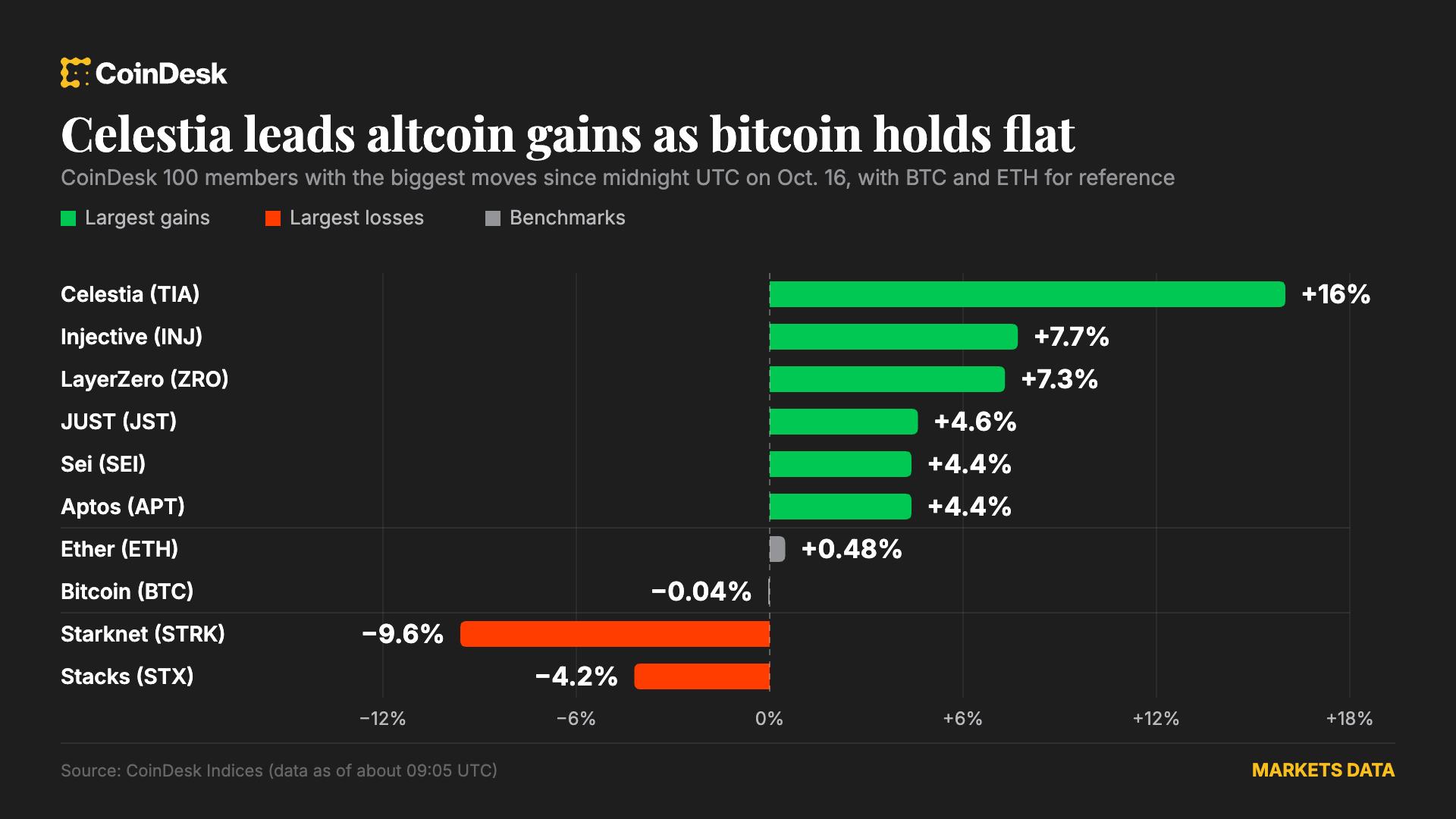
Are you curious about why some newer crypto projects suddenly surge while Bitcoin stays steady? This article explains the concept of modular data‑availability chains, how they differ from traditional blockchains, and what the economics of their native tokens mean for someone looking to earn passive income.
Plain explanation: modular data‑availability chains
A modular blockchain separates the tasks of ordering transactions and storing data. In a traditional, monolithic chain (like Bitcoin or Ethereum), a single network does everything: it decides the order of transactions, validates them, and stores the full data set. This design can limit scalability because every node must process and keep every piece of data.
In a modular design, the responsibilities are split into two layers:
- Consensus layer: decides the order of blocks and secures the network, typically using proof‑of‑stake or proof‑of‑work.
- Data‑availability layer: stores the raw transaction data and makes it quickly accessible to anyone who needs it.
The two layers communicate through a protocol that proves the data is available without each node having to download it all. This approach allows each layer to specialize, improving throughput and reducing costs.
The term data‑availability refers to the guarantee that all transaction data needed to verify a block is accessible to validators. If data were missing, validators could not confirm the block’s correctness, threatening security. Projects that focus on this guarantee aim to become the “data‑availability layer” for many other blockchains, enabling them to scale without building their own storage infrastructure.
A real example: Celestia’s recent rally
In March 2026, Celestia (ticker TIA) jumped 16% to around $0.68, marking a four‑week gain of about 59%. The surge coincided with two developments: Celestia Fibre achieved a throughput benchmark of 3.07 terabits per second, and the community introduced a proposed upgrade called the Sustainable Blob Economy. This upgrade aims to adjust how the network charges for data storage (“blobs”) and to incentivize long‑term data availability, directly affecting the token’s utility and demand.
What it means for you: earning opportunities
When a modular data‑availability chain like Celestia gains traction, its native token can become a source of passive income in several ways:
- Staking: Many data‑availability networks use proof‑of‑stake, allowing token holders to lock up (stake) their tokens to help secure the consensus layer. In return, they receive a share of the transaction fees and newly minted tokens.
- Providing data services: Some networks reward participants who run nodes that store and serve data blobs. Earnings come from fees paid by other chains that rely on the data‑availability layer.
- Liquidity provision: Supplying TIA to decentralized exchanges can earn a portion of the trading fees, though this carries market risk.
These mechanisms can generate a modest, ongoing return, but they also expose you to token price volatility and the risk that the network’s adoption may not meet expectations.
What to check / how to judge a modular chain
- Technical milestones: Look for concrete performance metrics (e.g., throughput, latency) and successful testnet launches. Celestia’s 3.07 Tbps benchmark is an example of a measurable achievement.
- Economic design: Understand how fees are structured and whether the token has a clear utility (e.g., paying for data storage). Upgrades like the Sustainable Blob Economy should clarify token demand.
- Validator incentives: Review the staking rewards, slashing conditions, and minimum stake requirements. Sustainable rewards indicate a healthy security model.
- Ecosystem adoption: Check how many other projects are building on or using the data‑availability layer. A growing list of partners reduces reliance on a single use case.
- Governance transparency: Ensure the project has a clear, on‑chain governance process for upgrades and parameter changes. This reduces the risk of sudden, unexpected tokenomics shifts.
FAQ
What is the difference between staking on a data‑availability chain and staking on a regular proof‑of‑stake blockchain?
Both involve locking tokens to help secure the network, but on a data‑availability chain you also support the storage of transaction data. Rewards may therefore include a portion of data‑availability fees in addition to block rewards.
Can I earn from running a data‑availability node without staking?
Yes, some networks pay node operators for serving data blobs. However, the compensation is usually lower than staking rewards and may require more technical setup.
Is a token’s price the only factor I should consider when earning on a modular chain?
No. While price affects the fiat value of any rewards, the underlying token utility, network security, and long‑term adoption are equally important for sustainable earnings.
How risky is it to provide liquidity for a newer token like TIA?
Liquidity provision can generate fee income, but it also exposes you to impermanent loss if the token’s price moves sharply relative to the paired asset. Assess your risk tolerance and consider diversifying across multiple pools.
This article references reporting from coindesk.com.