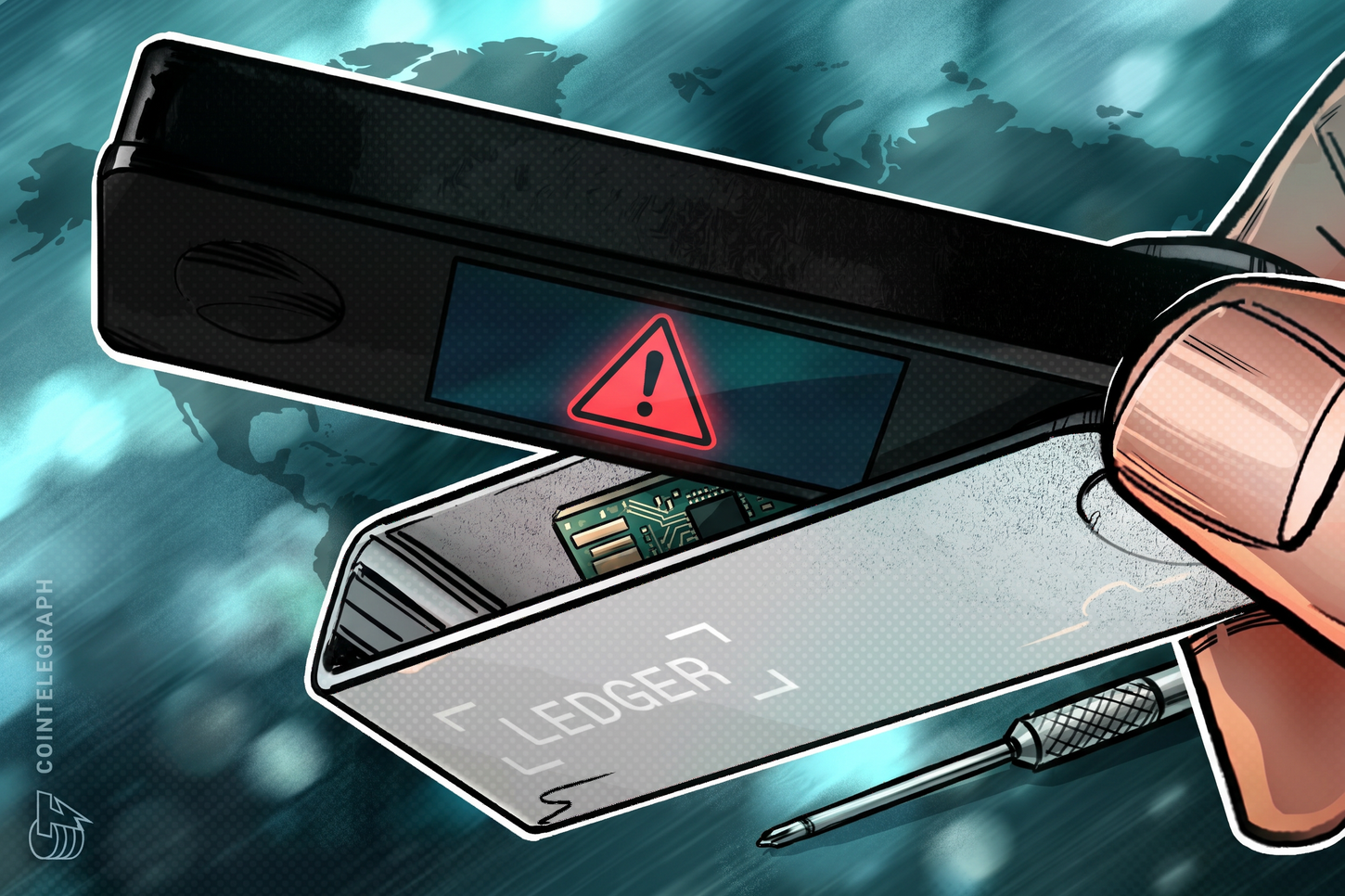
Are you worried about keeping your Bitcoin, Ether, or stablecoins safe while you earn passive income? This article explains what crypto custody services are, how they operate, and what you should consider before trusting a custodian with your digital assets.
What is a crypto custody service?
A crypto custody service is a specialized platform that stores digital assets on behalf of clients. Unlike a regular wallet that you control with a private key, a custodian holds the private keys in a secure environment, often using a combination of hardware security modules (HSMs), multi‑signature schemes, and offline (cold) storage. The goal is to protect assets from theft, loss, or technical mishaps while providing regulatory compliance and auditability.
Key terms you’ll encounter:
- Private key: A secret number that proves ownership of a blockchain address. Whoever controls the private key can move the assets.
- Cold storage: Keeping private keys offline, away from internet exposure, which dramatically reduces hacking risk.
- Multi‑signature (multisig): A security method that requires several independent signatures before a transaction can be executed, spreading control among multiple parties.
- Regulatory compliance: Adhering to laws such as the EU’s Markets in Crypto‑Assets Regulation (MiCA) or local financial authority requirements, which can include know‑your‑customer (KYC) and anti‑money‑laundering (AML) checks.
How custodians keep your crypto safe
Custodians typically follow a layered security model. First, they generate private keys in a controlled, air‑gapped environment, meaning the computers are never connected to the internet. Those keys are then stored in HSMs that encrypt the keys and restrict any external access. To move assets, the custodian may require multiple approvals from different internal teams, creating a multisig checkpoint.
In addition to technical safeguards, custodians implement operational controls: regular audits by independent firms, insurance policies that cover certain loss scenarios, and strict employee background checks. Many also provide a transparent reporting dashboard so clients can see balances, transaction histories, and compliance status in real time.
Real‑world example: Deutsche Bank’s upcoming crypto custody service
In October 2026, Deutsche Bank announced plans to launch a crypto custody offering in Germany, with an eye toward expanding into Asian financial centers in 2027. The service will initially support Bitcoin (BTC), Ether (ETH), and several stablecoins such as Circle’s USDC, EURC, and AllUnity EUR (EURAU). The bank expects regulatory approval under the EU’s Markets in Crypto‑Assets Regulation (MiCA) and has already received authorization from Germany’s Federal Financial Supervisory Authority (BaFin).
This move illustrates how traditional financial institutions are entering the custody space, leveraging their existing compliance infrastructure and brand trust to attract institutional and high‑net‑worth retail clients who want professional-grade security for their digital assets.
What this means for you as a digital‑asset earner
If you earn crypto through mining, staking, or cloud rewards, you eventually need a safe place to hold those tokens. Using a reputable custodian can reduce the risk of losing assets to hacks or accidental key loss. It also simplifies tax reporting, as custodians often provide transaction statements that align with local regulations.
However, custody is a service you pay for. Fees can be charged as a percentage of assets under custody (AUC) or per transaction. These costs eat into your earnings, so you’ll need to weigh the security benefit against the expense. Additionally, because a custodian holds the private keys, you must trust that the institution will honor withdrawal requests promptly.
How to evaluate a crypto custodian
Before depositing your earnings, run through this short checklist:
- Regulatory status: Verify that the custodian is licensed by a recognized authority (e.g., BaFin, FCA, MAS) and complies with relevant regulations like MiCA or the U.S. SEC’s guidance.
- Security architecture: Look for details on cold storage ratios, multisig requirements, and third‑party audit reports.
- Insurance coverage: Confirm whether the custodian carries insurance for theft, loss, or cyber‑attack, and understand the limits and exclusions.
- Fee structure: Compare custody fees, withdrawal fees, and any hidden costs. Transparent pricing should be published on the provider’s website.
- Asset support: Ensure the custodian holds the specific coins you earn, especially if you work with less common stablecoins or emerging tokens.
- Reputation and track record: Research the provider’s history, client testimonials, and any past security incidents.
FAQ
Is my crypto still mine if a custodian holds the private keys?
Yes. The custodian acts as a trustee; you retain legal ownership, but you delegate the technical control of the keys to the custodian. Your rights are protected by the service agreement and applicable regulations.
Can I withdraw my assets at any time?
Most custodians allow on‑demand withdrawals, but processing times can vary from a few hours to several days, depending on internal controls and the need for multisig approvals.
Do custodians charge for each transaction I make?
Fees differ by provider. Some charge a flat AUC fee plus a small per‑transaction fee, while others may offer a fee‑free withdrawal up to a certain limit. Always read the fee schedule before signing up.
Is using a custodian safer than keeping my own hardware wallet?
Custodians provide professional security measures and insurance that most individual users cannot match. However, they introduce counterparty risk. If you are comfortable managing your own keys and have robust security practices, a personal hardware wallet can be equally safe.
This article references reporting from cointelegraph.com.