Are you curious about how you can profit from price movements without actually owning a cryptocurrency? This article explains what crypto futures are, how they operate, and what you should consider before using them to earn online.
The plain explanation
A future is a contract that obligates the buyer to purchase, or the seller to deliver, an asset at a predetermined price on a specific future date. In the crypto world, the underlying asset can be a coin such as Bitcoin Cash (BCH) or a token like Uniswap (UNI). When you trade a crypto future, you are not buying the coin itself; instead, you are betting on whether its price will be higher or lower than the contract price when the contract expires.
Futures are typically settled in one of two ways. Physical settlement means the actual cryptocurrency is transferred at expiry, while cash settlement pays the difference in fiat or stablecoin based on the price gap. Most retail platforms use cash settlement because it avoids the need to move large amounts of crypto.
Two key concepts are leverage and margin. Leverage lets you control a larger position than your capital would normally allow. For example, 10× leverage on a $100 margin lets you control a $1,000 contract. Margin is the collateral you must keep in your account to cover potential losses. If the market moves against you, the platform may issue a margin call requiring you to add more funds, or it may automatically close your position to limit risk.
Because futures are standardized contracts, they have set expiration dates (often monthly) and predefined contract sizes. A “micro” future is a smaller version of a standard contract, designed for traders with less capital.
A real example
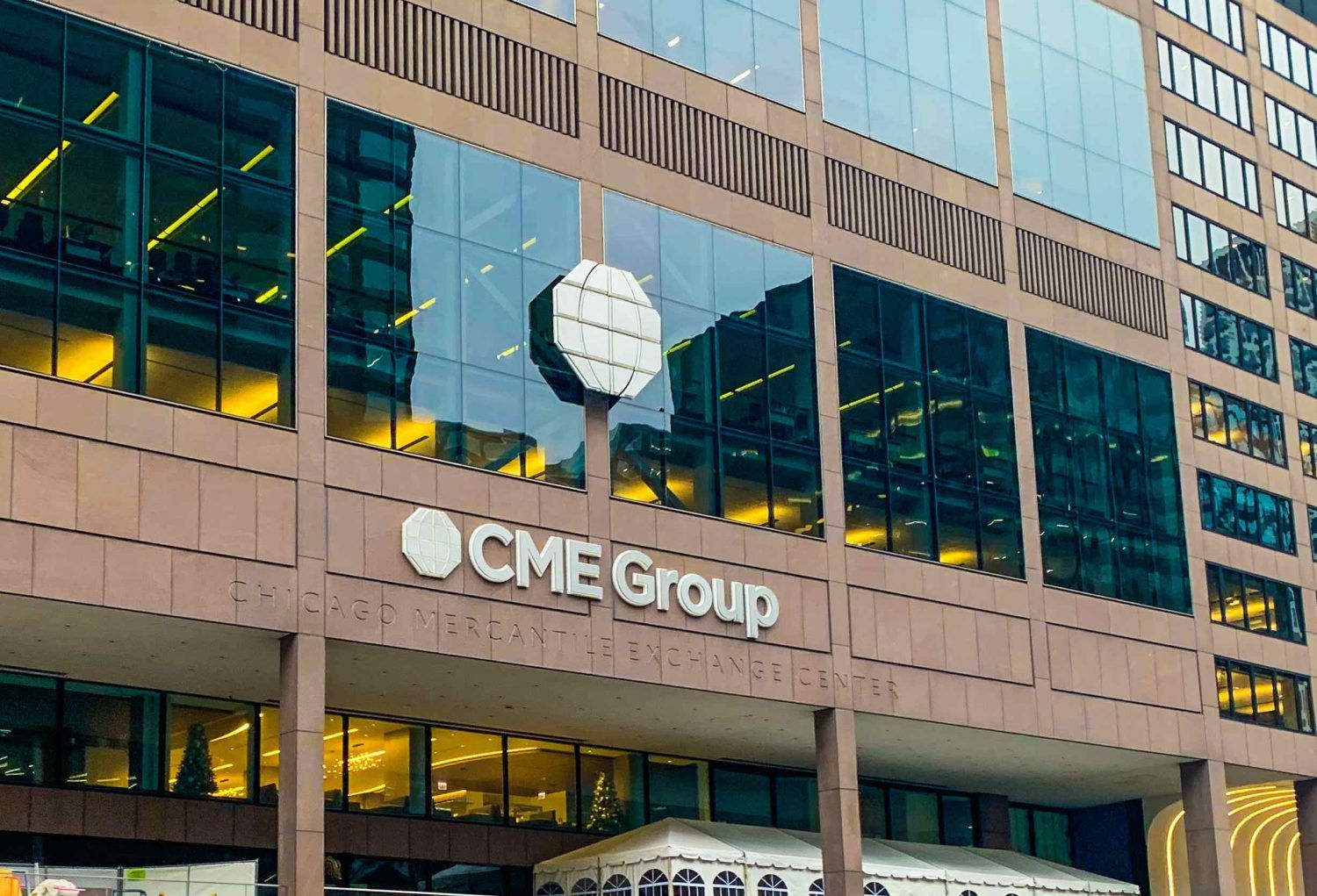
In October 2026, CME Group—a major derivatives exchange—announced plans to launch both standard and micro futures for Bitcoin Cash (BCH) and Uniswap (UNI). The announcement, made on October 19, indicated that the contracts would become available pending regulatory review. This move illustrates how traditional financial infrastructure is expanding to include a broader range of crypto assets, giving retail and institutional traders more options to speculate or hedge.
What it means for you
Futures can be a tool for generating passive income through strategies such as selling covered calls on futures positions or collecting funding rates on perpetual contracts. However, they also expose you to amplified risk. A modest price swing can wipe out your margin if you are highly leveraged. For beginners, using micro contracts or low leverage can help you learn the mechanics without risking large sums.
Futures also enable hedging. If you own BCH in a mining pool and fear a short‑term price drop, you could sell a BCH future to offset potential losses. Conversely, if you expect a price rise, buying a future lets you lock in a purchase price today, potentially increasing future earnings.
What to check / how to judge
- Settlement type: Know whether the contract settles in cash or the underlying token.
- Leverage limits: Choose platforms that let you set a leverage level you are comfortable with.
- Margin requirements: Verify the initial and maintenance margin percentages.
- Liquidity: Higher daily volume reduces slippage when entering or exiting positions.
- Regulatory status: Ensure the exchange is compliant with local regulations to avoid sudden contract suspensions.
- Fees: Compare trading, funding, and withdrawal fees across platforms.
FAQ
Do I need to own the cryptocurrency to trade its futures?
No. Futures are contracts that reference the price of the crypto; you can trade them without holding the actual coin.
What happens if my position is liquidated?
If the market moves against you enough to breach the maintenance margin, the exchange will automatically close your position to protect both parties, resulting in a loss of the remaining margin.
Can I use futures to earn a steady income?
Some traders generate income by repeatedly selling futures contracts or by collecting funding payments on perpetual contracts, but this involves risk and requires active management.
Are micro futures safer for beginners?
Micro futures have smaller contract sizes, which limits the amount of capital at risk per trade. They are a good entry point for learning leverage and margin without large exposure.
This article references reporting from coindesk.com.