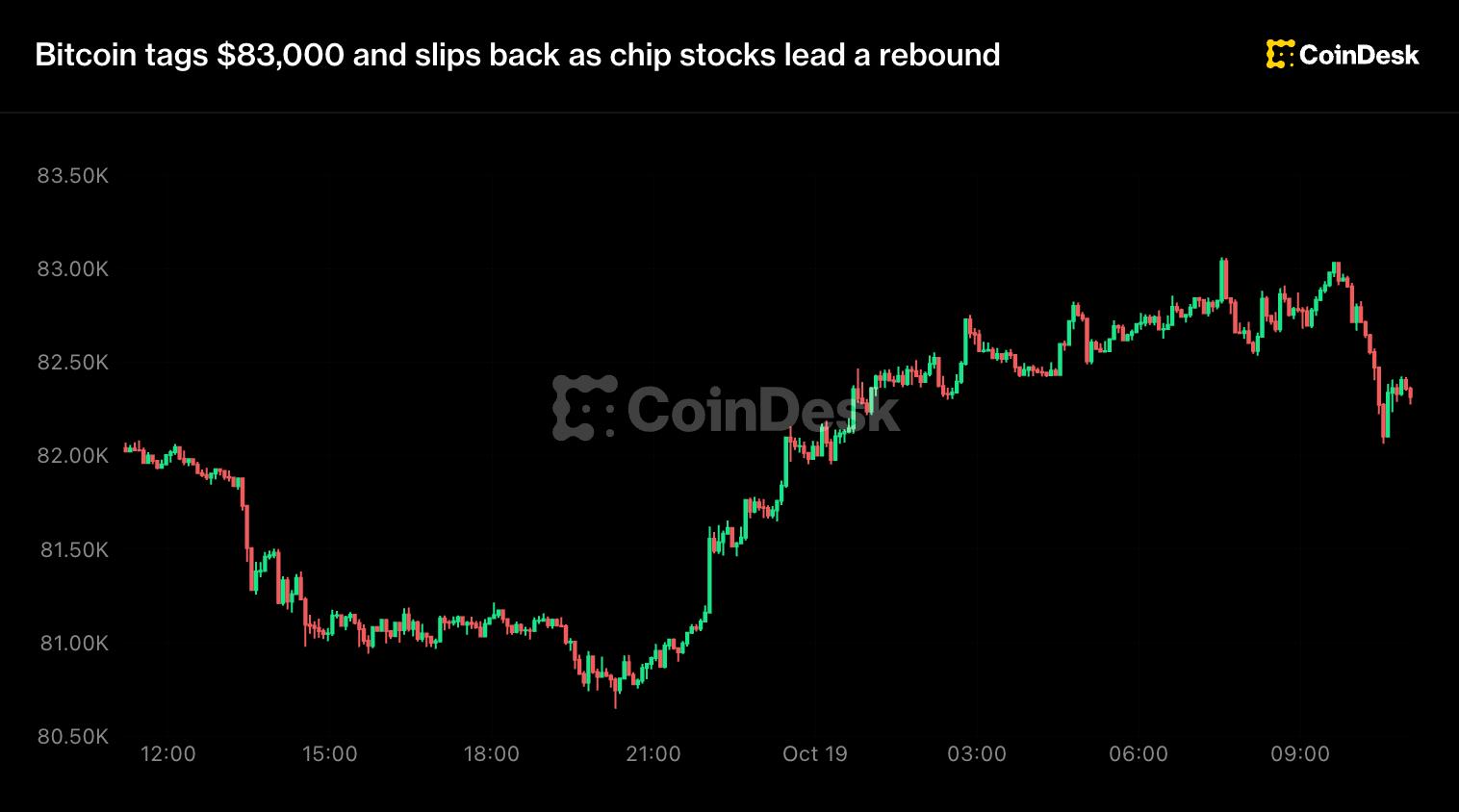
Ever wondered why Bitcoin sometimes jumps when tech stocks rally, or drops when they falter? This article explains the relationship between the broader technology sector and Bitcoin’s price, helping you understand what drives those sudden moves.
The plain explanation
Bitcoin is a digital asset that trades on open markets just like stocks, commodities, or currencies. Its price is set by supply and demand: buyers willing to pay more push the price up, while sellers willing to accept less pull it down. Unlike a traditional company, Bitcoin has no earnings report or product launch to anchor its value, so traders look for other signals.
One of the most common signals is the performance of the technology sector, especially companies involved in semiconductors, cloud computing, and artificial intelligence. These firms are often seen as the “growth engine” of the modern economy. When they post strong earnings, announce new products, or receive favorable regulatory news, investors become more optimistic about risk‑on assets—investments that could deliver high returns but also carry higher volatility. Bitcoin, being a high‑risk, high‑potential asset, often rides this wave.
Conversely, when tech stocks tumble—perhaps due to supply‑chain issues, weaker earnings, or macro‑economic concerns—investors may shift toward safer havens like government bonds or cash. This risk‑off sentiment can lead to selling pressure on Bitcoin, dragging its price lower.
Several mechanisms link the two markets:
- Investor sentiment: Many crypto traders also hold tech stocks. Their overall mood influences both portfolios simultaneously.
- Liquidity flow: Money moving into tech ETFs or chip‑focused funds can free up capital that later flows into Bitcoin, and the reverse is true when funds are withdrawn.
- Macro drivers: Interest‑rate expectations, inflation data, and geopolitical events affect both sectors, often in similar directions.
- Media coverage: Positive headlines about AI breakthroughs or semiconductor advances can generate buzz that spills over to Bitcoin discussions, amplifying price moves.
A real example
On Monday, March 4 2026, Bitcoin briefly rose above $83,000 before slipping back to around $82,400. The brief surge coincided with a rebound in technology futures: Nasdaq‑100 futures jumped 1.1% after a week‑long decline, and an ETF tracking chipmakers surged 3% before the U.S. market opened. Traders interpreted the tech bounce as a sign of renewed risk appetite, prompting a short‑lived buying wave in Bitcoin. When the tech rally stalled, the crypto price retreated, illustrating the tight coupling between the two markets.
What it means for you
If you earn or invest in Bitcoin, you should expect its price to be influenced by the health of the tech sector. A strong earnings season for chipmakers or a breakthrough in AI can create short‑term upside opportunities, while a tech sell‑off may increase volatility and trigger price drops. Understanding this link lets you anticipate potential price swings and plan your entry or exit points more deliberately.
What to check / how to judge
- Watch major tech indices (Nasdaq‑100, S&P 500) and sector‑specific ETFs, especially those focused on semiconductors and AI.
- Monitor earnings calendars for large tech firms; a surprise beat often lifts risk‑on sentiment.
- Track macro data that affects both markets, such as interest‑rate decisions or inflation reports.
- Read sentiment indicators (e.g., the Crypto Fear & Greed Index) alongside tech market sentiment to gauge overall risk appetite.
- Set stop‑loss levels that account for broader market moves, not just Bitcoin’s own volatility.
FAQ
Why does Bitcoin sometimes move opposite to tech stocks?
During risk‑off periods, investors may sell both tech stocks and Bitcoin, but if they shift from one to the other—seeking a hedge—prices can diverge. For example, a sudden spike in inflation fears might cause a sell‑off in equities while some traders view Bitcoin as a store of value, pushing its price up.
Is the correlation between tech and Bitcoin stable over time?
No. Correlation can vary from strong to weak depending on market conditions, regulatory news, and macro‑economic factors. It’s useful to check recent correlation metrics rather than assume a fixed relationship.
Should I use tech stock performance as a trading signal for Bitcoin?
Tech performance can be a useful indicator, but it should not be the sole basis for a trade. Combine it with Bitcoin‑specific analysis—such as on‑chain data, volume trends, and technical chart patterns—to form a more balanced view.
Can I protect my Bitcoin earnings from tech‑driven volatility?
Consider diversifying across different crypto assets, using stablecoins for short‑term parking, or employing hedging tools like futures contracts if they are available on your platform. Always be aware of the additional risks that hedging instruments introduce.
This article references reporting from coindesk.com.