Ever wonder how a bond can exist as a digital token and what that means for your investment options? This article explains the basics of tokenized bonds, how distributed ledger technology (DLT) makes them possible, and what you should consider before getting involved.
What is a tokenized bond?
A bond is a debt instrument where an issuer—such as a government or corporation—borrows money from investors and promises to pay back the principal with interest. A tokenized bond represents that same debt claim, but instead of being recorded on paper or in a traditional central securities depository, the ownership rights are encoded on a digital ledger. Each token acts like a digital certificate that proves the holder owns a slice of the bond.
The technology that enables this is called distributed ledger technology (DLT). A DLT is a database that is shared across many computers (nodes) and updates in real time. Because every participant sees the same record, the ledger can verify ownership transfers without a central intermediary. When a bond is tokenized, the ledger records the creation of tokens, their allocation to investors, and any subsequent trades.
Key terms:
- Tokenization: Converting a real‑world asset into a digital token that can be transferred on a blockchain or other DLT.
- Smart contract: Self‑executing code on the ledger that enforces the bond’s terms, such as interest payments and maturity.
- Central bank money: Digital cash issued by a central bank, used to settle payments instantly.
How does a DLT‑based bond platform work?
First, the issuer creates a digital representation of the bond on the platform. This involves defining the bond’s face value, coupon rate, maturity date, and any special features (for example, Islamic finance rules for sukuk). A smart contract stores these details and automatically calculates interest payments.
When an investor buys the bond, the platform mints the appropriate number of tokens and assigns them to the investor’s digital wallet. Ownership changes are recorded instantly on the ledger, providing a transparent audit trail.
At each coupon date, the smart contract triggers a payment. Because the platform can be linked to a real‑time payment system that uses central bank money, the interest is transferred directly to the investor’s account without the delays typical of traditional settlement cycles.
Because the ledger is immutable, it reduces the risk of fraud and errors that can occur in paper‑based systems. It also enables 24/7 trading, as the platform does not rely on the opening hours of a stock exchange.
Real‑world example
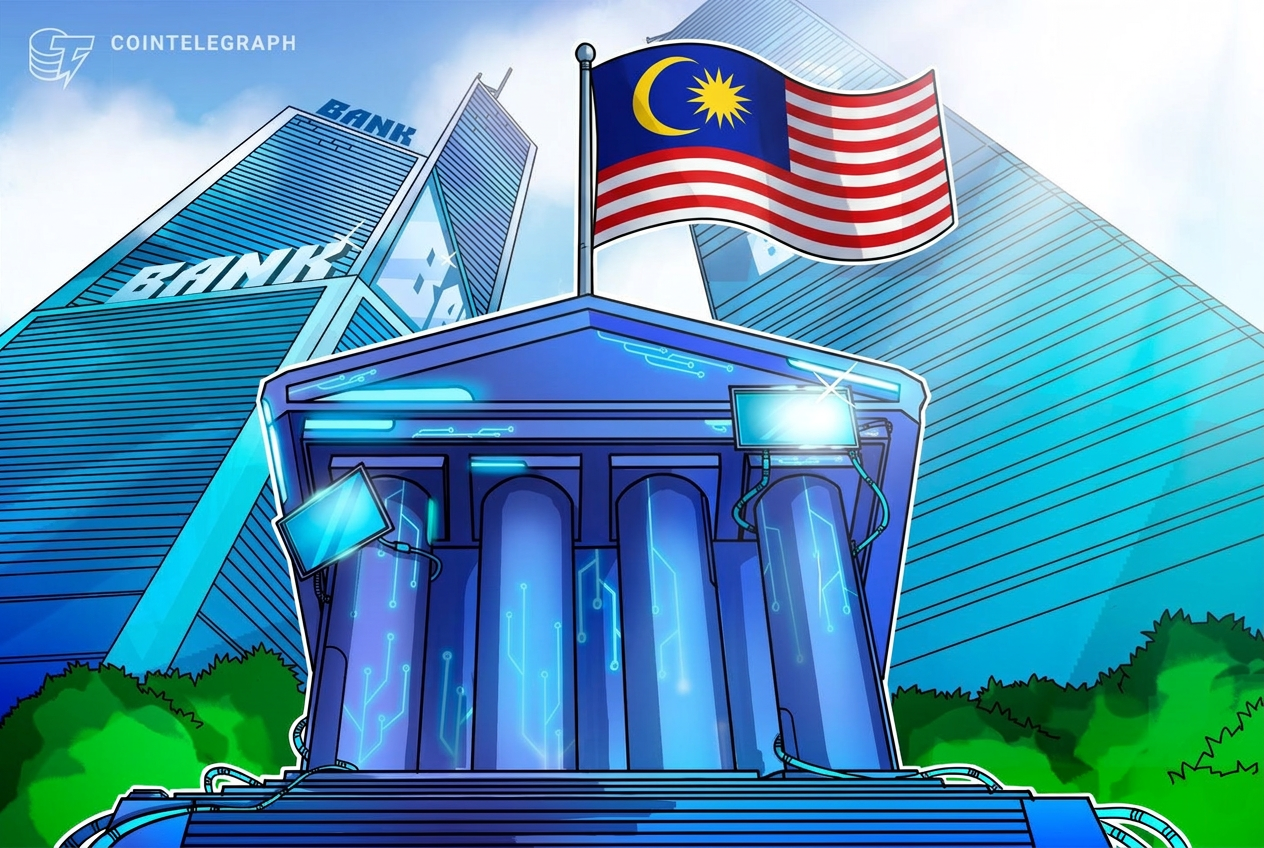
In October 2026, Bank Negara Malaysia (BNM) launched a next‑generation Scripless Securities Depository System (SSDS+), a DLT platform for issuing and holding tokenized bonds, including Islamic sukuk. The system links tokenized securities records with Malaysia’s Real Time Electronic Transfer of Funds and Securities (RENTAS+) system, allowing bond payments to be settled in central bank money around the clock. Although initially aimed at wholesale issuance, BNM said the platform is ready to support tokenized government and corporate retail bonds as well.
What this means for you
Tokenized bonds can make fixed‑income investing more accessible. Smaller investors may be able to purchase fractional tokens, lowering the entry barrier compared with traditional bond markets that often require large minimum investments. The instant settlement of interest payments can improve cash flow, especially for investors who rely on regular income.
However, the technology is still emerging. Not all issuers have adopted tokenization, and regulatory frameworks vary by jurisdiction. You should assess whether the platform you use complies with local securities laws and offers adequate investor protection.
How to evaluate a tokenized bond offering
- Issuer credibility: Verify the reputation of the bond issuer and whether the bond is registered with the relevant securities regulator.
- Platform security: Look for platforms that use reputable DLT frameworks, have undergone security audits, and store tokens in custodial wallets with multi‑factor authentication.
- Legal clarity: Ensure the token’s legal status is defined—does it represent a direct claim on the underlying bond, and are your rights enforceable under local law?
- Liquidity options: Check whether there is a secondary market for the token, and understand any fees associated with buying, selling, or transferring tokens.
- Settlement method: Confirm that interest and principal payments will be settled in a reliable currency, preferably central bank money, to avoid settlement risk.
FAQ
Can I buy a tokenized bond with a regular bank account?
Yes, many platforms allow you to fund purchases via bank transfers. Some may also accept stablecoins or other digital assets, but you should verify the accepted payment methods before investing.
Are tokenized bonds safer than traditional bonds?
Tokenization can reduce certain operational risks, such as settlement delays and paperwork errors. However, it introduces new risks like smart contract bugs and platform security vulnerabilities. Evaluate both sides before deciding.
Do tokenized bonds generate the same interest as their paper counterparts?
When the token accurately represents the underlying bond, the interest (coupon) payments are identical. The smart contract simply automates the distribution of those payments.
What happens if the platform goes offline?
Most DLT platforms are decentralized, meaning the ledger is stored across many nodes. If a single service provider experiences downtime, the ledger itself remains intact. Still, you should choose platforms with a clear contingency plan and reputable custodial services.
This article references reporting from cointelegraph.com.