Ever wonder how you could use a digital coin to pay for a coffee abroad without worrying about exchange rates or cash? This article explains how stablecoins work for cross‑border payments, what benefits they offer, and what you should watch out for before using them on your next trip.
The plain explanation
A stablecoin is a type of cryptocurrency designed to keep its price stable, usually by being pegged to a fiat currency such as the US dollar, euro, or Japanese yen. The peg can be maintained in several ways: some stablecoins hold reserves of the underlying fiat (a “fiat‑backed” model), others use algorithms to balance supply and demand (an “algorithmic” model), and a few are collateralised by other crypto assets.
Because the value stays predictable, stablecoins can be used like digital cash. When you send a stablecoin, the transaction is recorded on a blockchain—a public ledger that confirms the transfer almost instantly and without a traditional bank. This eliminates many of the friction points of conventional cross‑border payments, which typically involve multiple banks, currency conversion fees, and days of settlement time.
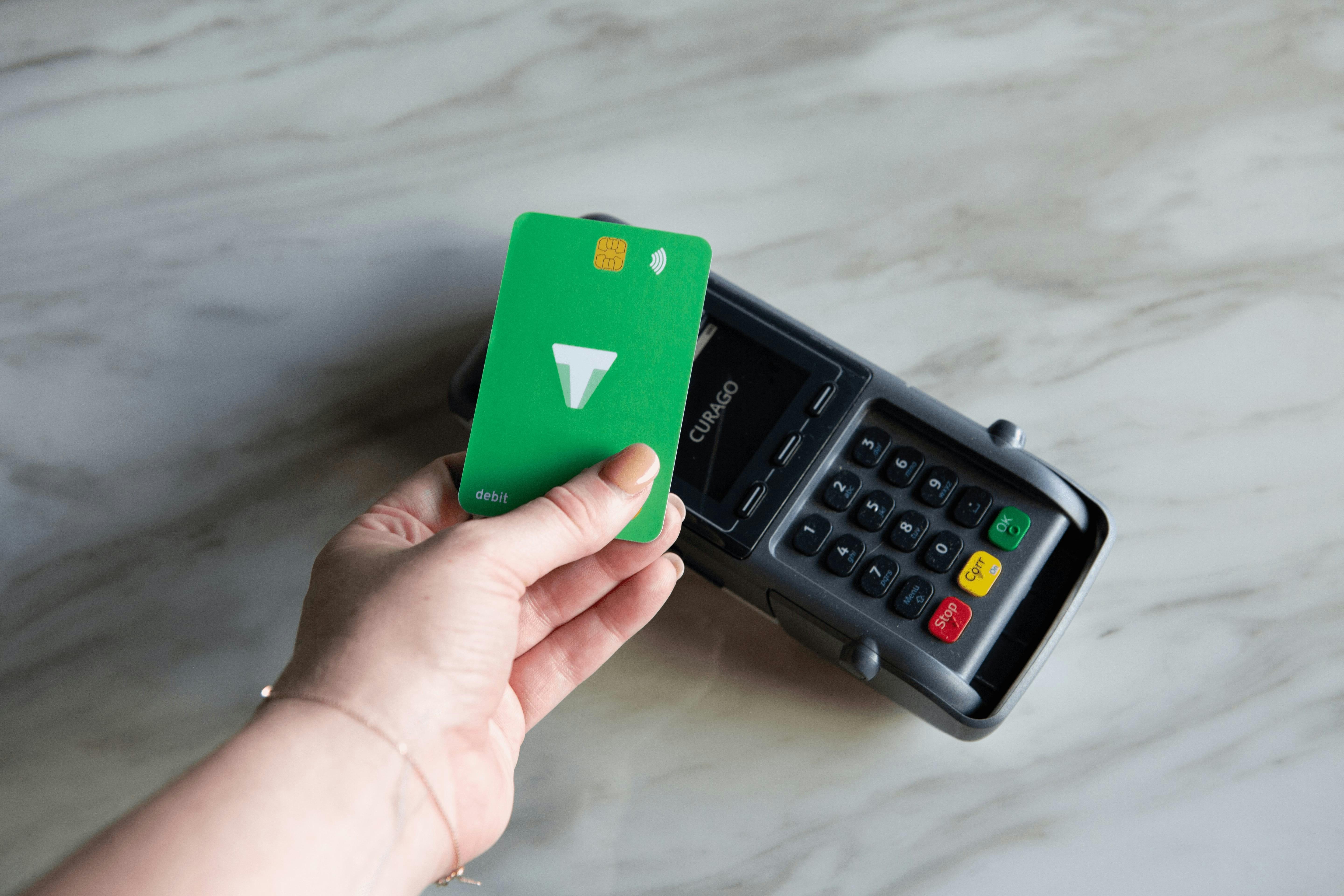
To turn a stablecoin into a payment you can use at a shop, you need a wallet app that supports the specific token and a merchant that accepts it. The wallet holds a private key that proves you own the coins, while the merchant’s point‑of‑sale system reads the blockchain to confirm the transfer. Some wallets also integrate with QR‑code scanners, making the process as simple as scanning a code at the checkout.
A real example
In July 2026, Shinhan Bank of South Korea and Japan’s SBI Group announced a partnership that could allow Japanese visitors to pay for goods and services in South Korea using yen‑denominated stablecoins. The agreement aims to create a seamless payment bridge between the two countries, letting travelers settle purchases without converting yen to Korean won first. While the pact is still being rolled out, it illustrates how financial institutions are testing stablecoins as a practical tool for tourism and everyday commerce.
What it means for you
If you travel frequently or shop online from abroad, stablecoins could reduce the cost and delay of converting money. Instead of paying a foreign‑exchange fee at a bank or relying on a credit‑card network that adds markup, you can hold a stablecoin pegged to your home currency and spend it directly. The transaction typically settles within minutes, and the price you see at the point of sale is the same as the amount deducted from your wallet.
For small‑scale earners—such as those receiving freelance payments or crypto mining rewards—stablecoins also provide a low‑volatility way to store earnings before moving them to a bank account. This can be especially useful in regions where traditional banking services are limited or expensive.
What to check / how to judge
- Backing and transparency: Verify that the stablecoin’s issuer publicly audits the reserves that back the token. A clear audit trail reduces the risk of a “run” where users lose confidence in the peg.
- Regulatory compliance: Ensure the stablecoin complies with local anti‑money‑laundering (AML) and know‑your‑customer (KYC) rules. Some jurisdictions require the issuer to be licensed as a money‑services business.
- Network fees and speed: Different blockchains have varying transaction costs and confirmation times. For everyday purchases, a low‑fee, fast network (such as a layer‑2 solution on Ethereum or a purpose‑built chain) is preferable.
- Merchant acceptance: Check whether the places you plan to visit accept the specific stablecoin. Some merchants integrate directly with payment processors that support multiple tokens.
- Wallet security: Use a reputable wallet that lets you control your private keys and offers two‑factor authentication. Losing access to your private key means losing the funds.
FAQ
Can I use any stablecoin for cross‑border payments?
In theory, yes, but practical acceptance depends on the merchant’s payment system and the regulatory environment. Tokens like USDC, USDT, and region‑specific stablecoins (e.g., a yen‑pegged token) are more widely supported.
Do stablecoins eliminate all fees?
They remove many traditional banking fees, but you may still pay blockchain transaction fees and, in some cases, a small spread if the merchant converts the stablecoin to local fiat.
Is it safe to keep large amounts of money in a stablecoin?
Stability depends on the issuer’s reserve management and regulatory oversight. Holding large sums is safer with a well‑audited, fiat‑backed stablecoin from a reputable provider, and you should diversify across assets if possible.
What happens if the stablecoin loses its peg?
If the backing reserves become insufficient or market confidence erodes, the token’s price can deviate from its target. In such cases, you may experience a loss similar to holding the underlying fiat currency during a devaluation.
This article references reporting from coindesk.com.