Are you wondering how you can earn passive income by supplying liquidity to a decentralized exchange (DEX)? This article explains the mechanics of fee sharing in DEX pools, how token emissions affect your returns, and what to consider before you commit your assets.
The plain explanation
A decentralized exchange lets users trade tokens directly from smart contracts without a central order book. To enable these trades, the protocol relies on liquidity providers (LPs) who deposit pairs of tokens into a liquidity pool. In return, LPs receive LP tokens that represent their share of the pool.
Whenever a trade occurs, the DEX charges a small swap fee (often 0.2%–0.3% of the trade amount). This fee is automatically added to the pool’s reserves, increasing the value of each LP’s share. The portion of the fee that goes to LPs is called the fee share. The remainder may be sent to the protocol’s treasury, used to buy back native tokens, or burned.
Many DEXs also distribute a native governance token as an additional reward. This is known as a token emission or “mining” reward. Emissions are usually set on a daily or per‑block basis and can be adjusted by governance proposals. The combination of swap fees and token emissions determines the overall yield for LPs.
A real example
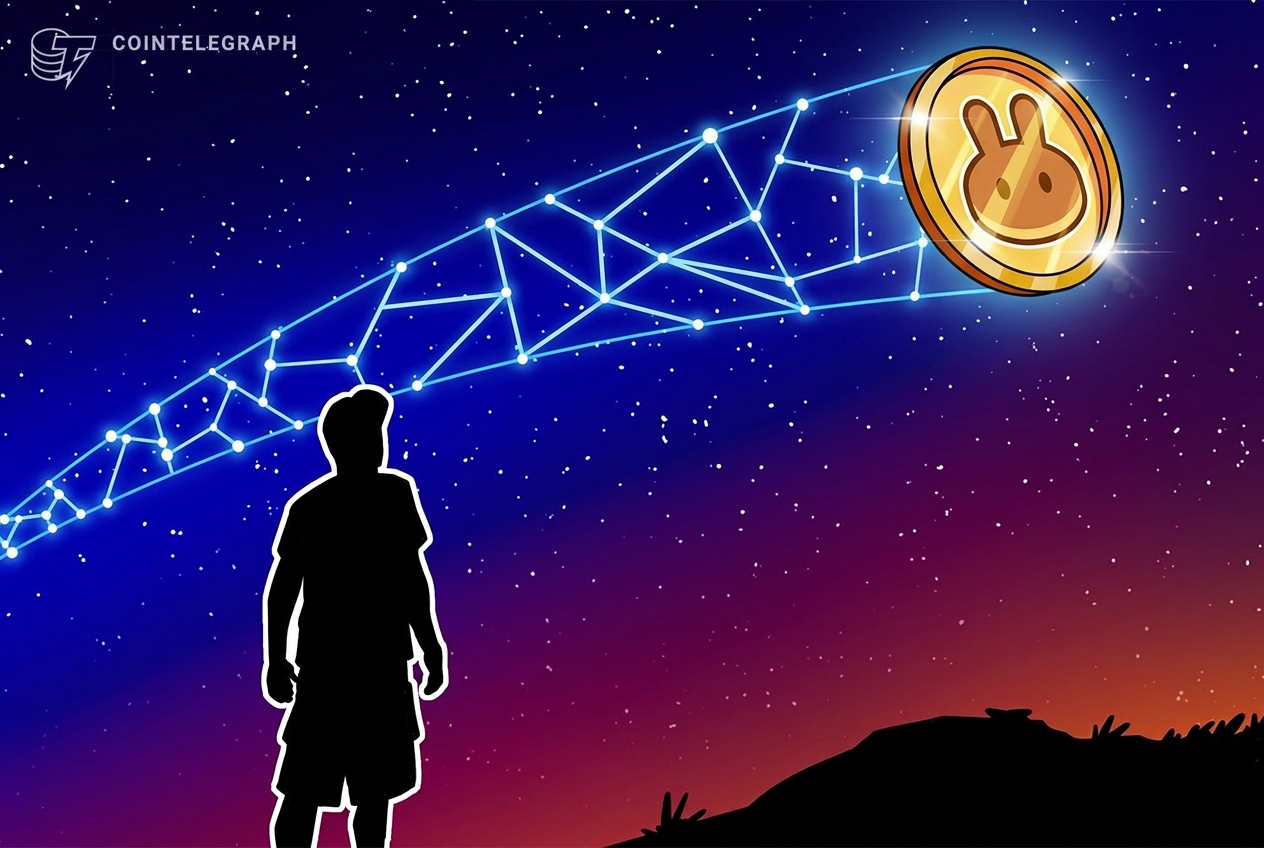
In October 2026, PancakeSwap, the leading DEX on BNB Chain, opened a governance vote on a proposal called “The Flip.” The proposal would raise the fee share for liquidity providers in its V3 and Infinity pools from roughly 66%–68% to 88%. At the same time, it would cut daily emissions of the native CAKE token by about 69%, reducing the number of newly minted CAKE from 22,500 to 7,000 per day. The vote ran from October 21 to October 24, with implementation slated for November if approved.
What it means for you
Higher fee shares mean a larger portion of each trade’s fee goes straight to the pool, increasing the value of your LP tokens without relying on token rewards. However, reducing token emissions lowers the amount of extra CAKE you would earn for providing liquidity. The net effect on your annual percentage yield (APY) depends on the trade volume in the pool and the market price of the reward token.
If a pool has strong trading activity, a higher fee share can compensate for lower token emissions, making the pool more attractive for “pure fee” earners. Conversely, in low‑volume pools, token rewards may remain the primary source of income, so a cut in emissions could significantly reduce returns.
What to check / how to judge
- Fee share percentage: Look for the exact split between LPs and the protocol. Higher percentages generally benefit LPs.
- Token emission rate: Find the daily or per‑block amount of native tokens distributed to LPs and whether it is scheduled to change.
- Pool volume: Higher trading volume translates to more fees collected. Use analytics sites to compare 24‑hour volume across pools.
- Token price outlook: Since token rewards are volatile, assess the token’s market dynamics and any upcoming events that could affect its price.
- Governance activity: Active governance indicates that the community can adjust parameters like fees and emissions, which can protect or enhance your earnings over time.
FAQ
Do I earn fees automatically, or do I need to claim them?
Fees are added to the pool’s reserves automatically. Your LP token balance reflects the accrued fees, so you receive them when you withdraw your liquidity.
How does a lower token emission affect my risk?
When token rewards decline, your overall yield becomes more dependent on trading fees. If the pool’s volume drops, your earnings could fall, increasing the relative risk of the position.
Can I switch between pools if a fee share changes?
Yes. You can withdraw your liquidity from one pool (incurring a potential impermanent loss) and redeploy it in another pool with a more favorable fee share or higher volume.
Is a higher fee share always better?
Not necessarily. A higher fee share improves fee earnings but may come with lower token rewards or higher governance fees. Evaluate the total expected return, not just the fee percentage.
This article references reporting from cointelegraph.com.