Are you wondering why Bitcoin’s price seems to swing wildly and how those swings affect the money you can earn from mining or staking? This article explains the forces behind Bitcoin’s price movements and what they mean for anyone trying to generate passive income from the network.
What drives Bitcoin’s price?
Bitcoin’s price is set by supply and demand on global exchanges. Supply is relatively fixed: the protocol caps the total number of coins at 21 million, and new coins are released at a predictable rate through mining rewards. Demand fluctuates based on several factors:
- Market sentiment: News, social media hype, and investor confidence can push prices up or down quickly.
- Macro‑economic conditions: Inflation worries, interest‑rate decisions, and currency strength influence whether people view Bitcoin as a hedge or a risky asset.
- Regulatory developments: Announcements about bans, licensing, or tax treatment can cause rapid price adjustments.
- Liquidity: The amount of Bitcoin available for trade on major exchanges affects how easily large orders move the market.
- Technical factors: Miner halving events, changes in mining difficulty, and large holders (whales) moving coins can create price pressure.
Because Bitcoin is still a relatively new asset class, these drivers can combine in unpredictable ways, leading to the characteristic “boom‑and‑bust” cycles that many observers notice.
Real‑world illustration
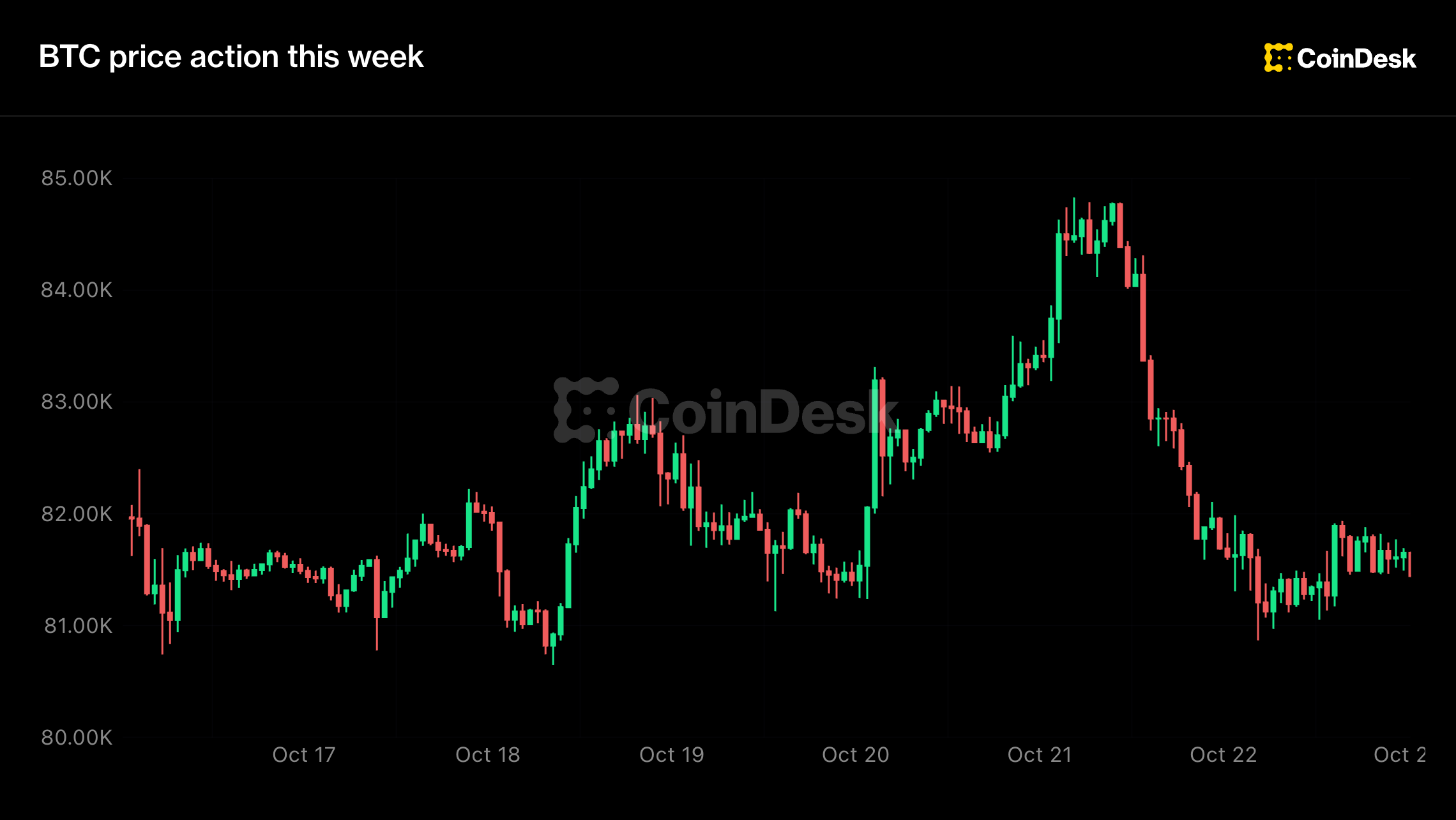
In early May 2026, Bitcoin settled near $81,500 after a week of $3,000‑wide swings. The price dipped to about $81,000 on Thursday, then traded within a narrow $1,000 range the following day. While the broader market was calm, altcoins showed mixed performance, and traditional assets like oil and equities were reacting to separate macro‑economic signals. This snapshot shows how Bitcoin can experience short periods of stability even amid broader market turbulence.
What it means for you
If you earn Bitcoin by mining, staking, or participating in cloud‑reward platforms, price volatility directly impacts your real‑world earnings. When the price rises, the fiat value of the coins you receive increases, boosting your passive income. Conversely, a price drop reduces that value, even if the number of coins you earn stays the same.
Because mining rewards are paid in Bitcoin, miners must consider two separate profit components:
- Operational profit: Revenue from block rewards and transaction fees minus electricity, hardware, and maintenance costs. This is measured in Bitcoin.
- Market profit: The fiat value of those Bitcoin earnings, which fluctuates with the market price.
Staking or cloud‑reward services work similarly: you receive a fixed percentage of new coins, but the dollar worth of that percentage changes with the market.
What to check before you start earning
- Break‑even electricity cost: Calculate how much electricity you can spend per Bitcoin earned before the operation becomes unprofitable at current prices.
- Hardware efficiency: More efficient miners (higher hash rate per watt) reduce your cost base and give you a larger margin against price drops.
- Reward structure: Understand whether a platform pays a fixed coin amount, a percentage of revenue, or a variable rate tied to network difficulty.
- Liquidity of your earnings: Ensure you can convert Bitcoin to fiat or stablecoins without large slippage if you need cash quickly.
- Risk tolerance: Decide how much price fluctuation you can absorb. Some miners hedge by selling a portion of their daily earnings.
FAQ
Why does Bitcoin sometimes stay in a narrow price range?
When buying and selling pressure balance out, the market can enter a consolidation phase. Traders may be waiting for new information, and large holders might be holding steady, leading to reduced volatility.
Can I protect my mining income from price drops?
One common method is to sell a portion of the mined coins each day, converting them to a stable asset. This creates a predictable cash flow but reduces exposure to upside price moves.
Does a higher Bitcoin price always mean higher profits for miners?
Higher prices increase the fiat value of rewards, but they can also attract more miners, raising network difficulty and electricity costs. Profitability depends on the balance between reward value and operational expenses.
Is mining still worthwhile if Bitcoin’s price is relatively stable?
Stability reduces the risk of sudden value loss, but profitability still hinges on your cost structure. Efficient hardware and low electricity rates can make mining viable even when price swings are modest.
This article references reporting from coindesk.com.