Are you wondering why some weeks the whole crypto market seems to surge while Bitcoin stays flat? This article explains the concept of “altcoin season,” how it is measured, and what it means for anyone trying to earn passive income or trade crypto.
What is altcoin season?
“Altcoin season” is a colloquial term used by traders to describe a period when alternative cryptocurrencies—commonly called altcoins—outperform Bitcoin in price gains. Altcoins include any digital assets that are not Bitcoin, such as Ethereum, Solana, Polkadot, or meme tokens like Pepe. The idea is simple: when investors rotate capital from Bitcoin into other projects, those assets tend to rise faster, creating a broader rally across the market.
Because the crypto market is highly correlated, analysts have created metrics to gauge the strength of an altcoin season. One popular tool is the “Altcoin Season Index,” which compares the number of altcoins that are up versus those that are down over a given period. An index value above 50 usually signals that more altcoins are gaining than losing, indicating a potential season.
It’s important to note that altcoin season does not guarantee profits. Many altcoins are highly volatile, and some may experience sharp reversals. The term is merely a snapshot of market sentiment and can help you decide where to allocate your earning strategies.
How the altcoin season index is calculated
The index typically looks at a basket of major altcoins—often the top 100 by market cap. For each coin, the daily price change is measured. The index then calculates the percentage of coins that are up versus down. The result is expressed on a 0‑100 scale:
- 0‑49: Bitcoin is generally outperforming; fewer altcoins are gaining.
- 50‑69: A moderate altcoin season; more altcoins are rising than falling.
- 70‑100: A strong altcoin season; the majority of altcoins are posting gains.
Some versions also weight the coins by market capitalization, giving larger projects more influence on the score.
Real‑world example
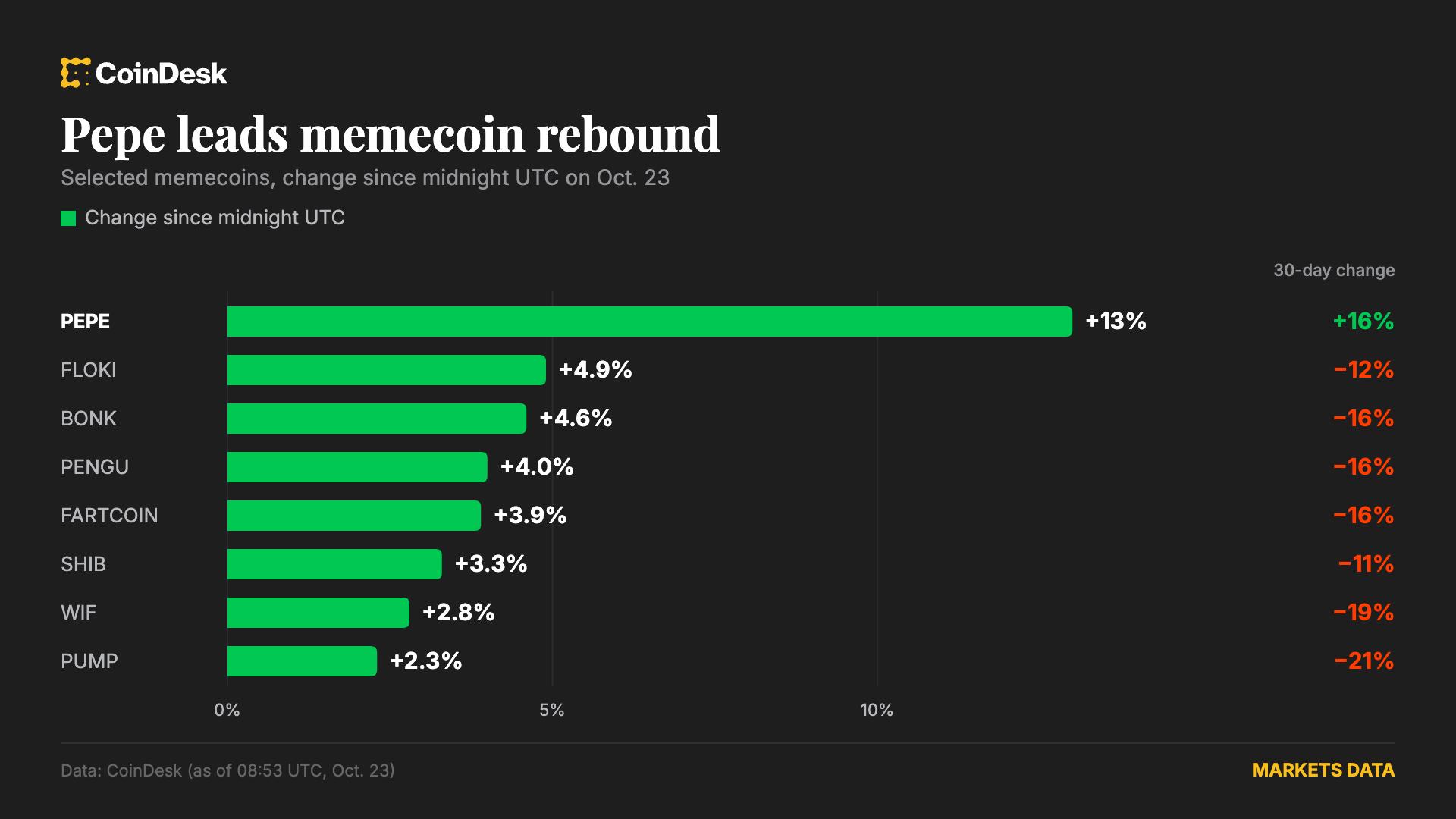
In early October 2026, the CoinMarketCap “Altcoin Season” indicator rose to 58 out of 100, up from a low of 54 earlier in the week. This increase reflected a broader rally across non‑Bitcoin assets while Bitcoin hovered around $81,700. The rise was accompanied by notable gains in layer‑1 tokens like Polkadot and Cosmos, as well as meme coins such as Pepe, which jumped 13% in a single day.
What it means for you
If you are looking to earn passive income through staking, yield farming, or cloud mining, an altcoin season can present new opportunities. Many staking rewards are higher on newer or less‑established networks, and a price uptick can boost the overall return on your staked assets. However, higher rewards often come with higher risk, especially for smaller or newer projects.
For traders, an altcoin season suggests that diversifying beyond Bitcoin may capture more upside. You might allocate a portion of your capital to a basket of promising altcoins, keeping an eye on the season index to gauge market sentiment. Remember that the crypto market can swing quickly; what looks like a season today could reverse tomorrow.
What to check before jumping in
- Season index level: A score above 60 typically signals strong momentum for altcoins.
- Project fundamentals: Look for solid development teams, clear use cases, and active communities.
- Liquidity: Ensure the coin has enough trading volume to enter and exit positions without excessive slippage.
- Reward structure: If you plan to stake or provide cloud rewards, compare the APY (annual percentage yield) against the token’s volatility.
- Risk tolerance: Allocate only the amount of capital you can afford to lose, especially for high‑risk meme tokens.
FAQ
Is altcoin season the same as a bull market?
No. A bull market refers to a sustained rise in overall market prices, often driven by Bitcoin. Altcoin season is a shorter‑term phase within a broader market where altcoins outperform Bitcoin.
Can I rely on the altcoin season index to make profits?
The index is a useful indicator of sentiment, but it does not guarantee price movements. Use it alongside other analysis tools, such as technical charts and project fundamentals.
Should I stake during an altcoin season?
Staking can be attractive because price appreciation adds to your rewards. However, if the token’s price falls sharply, the value of your staked assets may decline, offsetting the staking income.
Do meme coins count in the altcoin season calculation?
Yes. Most season indexes include the top 100 coins by market cap, which often feature meme tokens. Their high volatility can significantly influence the index’s score.
This article references reporting from coindesk.com.