Are you wondering why some crypto exchanges can operate in certain countries while others cannot? This article explains the different types of licenses that crypto platforms need, how they are granted, and what the requirements mean for everyday traders looking to earn or trade safely.
What a Crypto Exchange License Is
A crypto exchange license is an official permission issued by a regulator that allows a platform to offer specific financial services, such as buying, selling, or swapping digital assets. The most common categories are:
- Virtual Asset Service Provider (VASP) license: Grants permission to provide services like exchange, custody, or transfer of virtual assets. Regulators typically require compliance with anti‑money‑laundering (AML) and know‑your‑customer (KYC) rules.
- Virtual Asset Platform Operator (VAPO) license: Often a broader approval that covers multiple services, including spot trading, derivatives, and custodial solutions, but may be limited to certain jurisdictions.
- Broker‑Dealer or Money‑Transmitter license: In some countries, crypto activities fall under existing securities or money‑transmission frameworks, requiring the exchange to register as a broker‑dealer or money‑transmitter.
Each license defines what the exchange can do, who it can serve (retail, qualified, or institutional investors), and the ongoing obligations the platform must meet, such as capital reserves, reporting, and cybersecurity standards.
How Regulators Grant Licenses
Regulators follow a multi‑step process that usually includes:
- Application submission: The exchange provides detailed information about its corporate structure, ownership, technology, AML/KYC policies, and financial health.
- In‑principle approval: The regulator gives a provisional green light, indicating that the applicant meets the basic criteria but cannot yet serve customers.
- Full licensing: After the exchange satisfies additional operational requirements—such as appointing a local compliance officer, establishing a physical office, and passing security audits—the regulator issues a full, active license.
- Ongoing supervision: Licensed entities must submit regular reports, undergo inspections, and maintain compliance with any new rules.
These steps are designed to protect investors, prevent illicit activity, and ensure that the exchange can sustain its operations even under market stress.
Real‑World Example: Bybit’s Dubai License
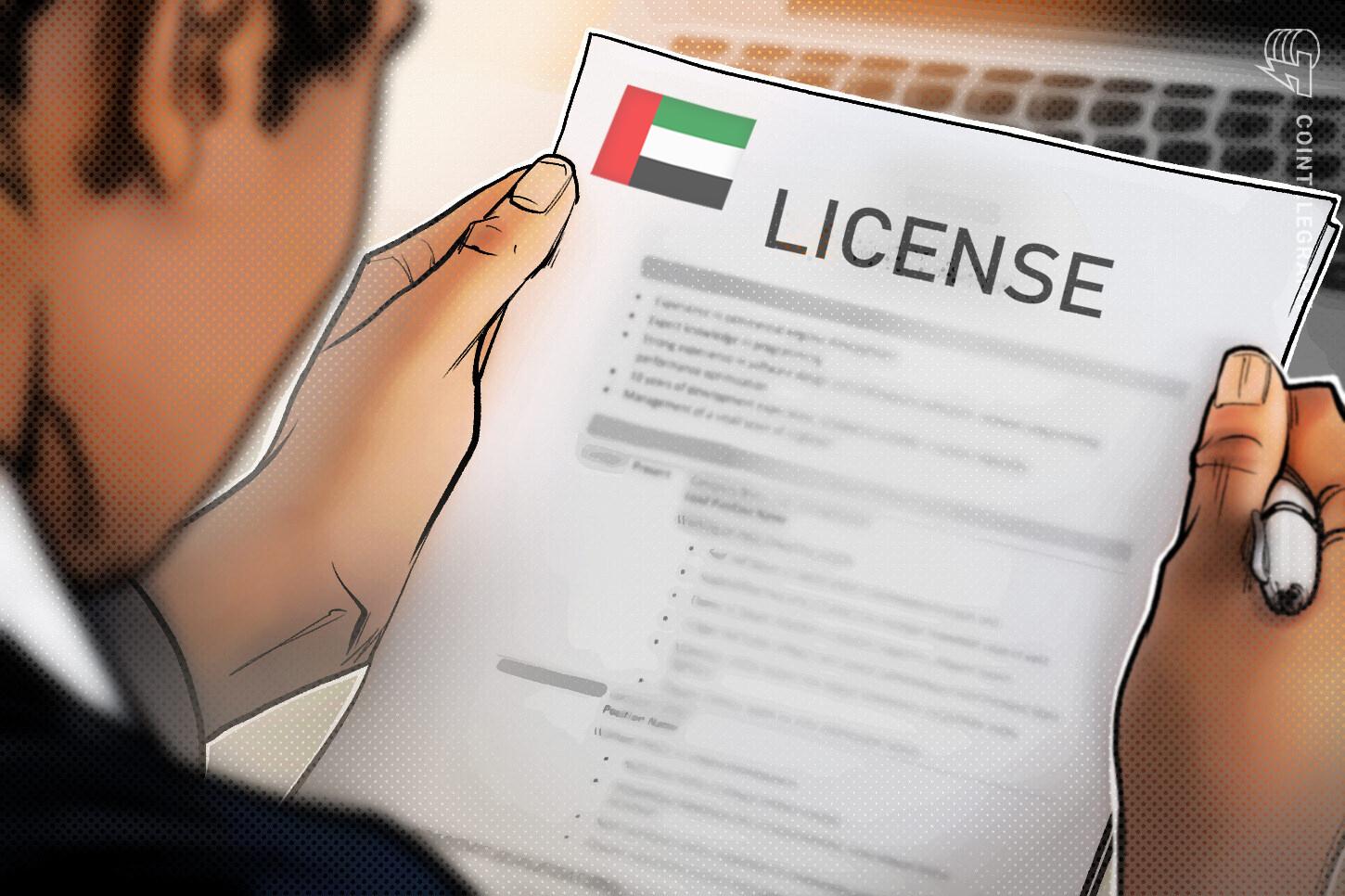
In October 2026, crypto exchange Bybit announced that its Dubai entity, Bybit Fintech FZE, received a VASP license from the Dubai Virtual Assets Regulatory Authority (VARA). This license authorizes spot‑trading services for retail, qualified, and institutional investors in Dubai. The earlier “in‑principle” approval Bybit had received did not allow it to serve customers; it was a non‑operational status.
Even after the license became active, Bybit must still complete VARA’s launch process and meet operational requirements before it can open spot‑trading to the public. The exchange also holds a separate VAPO license from the United Arab Emirates’ federal regulator, the Securities and Commodities Authority (SCA), obtained in October 2025. However, that license excludes Dubai, showing how different regulators can impose distinct geographic scopes.
What This Means for You
When you choose an exchange, the presence of a valid license in your jurisdiction is a key safety indicator. A licensed platform:
- Is required to verify your identity, reducing the risk of fraud.
- Must keep records that can be audited by regulators, increasing transparency.
- Is subject to capital and security standards that help protect your funds in case of a breach or market turmoil.
Conversely, an exchange operating without a local license may not be subject to these safeguards, exposing you to higher legal and financial risk.
How to Evaluate an Exchange’s Licensing Status
Before depositing funds, follow these steps:
- Check the regulator’s public register: Most authorities maintain an online list of active licenses. Verify the exchange’s name, license number, and scope of services.
- Confirm the geographic coverage: A license may be limited to certain regions or investor types. Make sure your location and status (retail vs. qualified) are covered.
- Review compliance documentation: Look for the exchange’s AML/KYC policies, security audits, and capital adequacy statements, often posted in the “Compliance” or “Legal” section of the website.
- Assess ongoing supervision: Determine whether the regulator conducts regular inspections and whether the exchange publishes audit reports or compliance updates.
- Consider the track record: An exchange with multiple licenses across jurisdictions usually demonstrates a stronger commitment to regulatory standards.
FAQ
What is the difference between a VASP license and a VAPO license?
A VASP license typically covers specific services such as exchange or custodial functions, while a VAPO license is broader, often allowing a platform to operate multiple services—including spot trading, derivatives, and custodial solutions—under a single regulatory framework.
Can I trade on an exchange that only has an in‑principle approval?
No. In‑principle approval indicates the regulator’s preliminary acceptance but does not permit the exchange to serve customers. You should wait until the full license is active and the platform has met all operational requirements.
Do I need a licensed exchange to earn passive income from staking or cloud mining?
Staking and cloud‑mining services often fall under the same regulatory umbrella as exchange services. If the platform offers these rewards, a relevant license (VASP or VAPO) is a good sign that the service is monitored for compliance and security.
What risks remain even with a licensed exchange?
Licensing reduces but does not eliminate risk. Market volatility, smart‑contract bugs, and cyber‑attacks can still affect your holdings. Always diversify, use strong security practices, and keep only the amount you can afford to lose on any single platform.
This article references reporting from cointelegraph.com.