Are you curious about how traditional assets like stocks can be turned into digital tokens and what risks that process might carry? This article explains the basics of security tokenization, how it functions in practice, and what you should watch for if you consider earning or investing through tokenized assets.
The plain explanation
Tokenization is the process of creating a digital representation—called a token—of a real‑world asset on a blockchain. When the asset is a security, such as a share of stock, a bond, or a piece of real estate, the resulting token is known as a security token. The token contains metadata that ties it to the underlying asset, and ownership of the token is recorded on a distributed ledger.
Key terms:
- Security: A financial instrument that represents ownership (equity), a creditor relationship (debt), or rights to profits. Securities are regulated by agencies such as the U.S. Securities and Exchange Commission (SEC).
- Blockchain: A decentralized database that stores data in linked blocks. It provides transparency, immutability, and the ability to execute smart contracts.
- Smart contract: Self‑executing code on a blockchain that enforces the rules of a token, such as transfer restrictions, dividend payouts, or voting rights.
- Regulation SCI: The SEC’s Regulation Systems Compliance and Integrity, which governs the reliability of critical market infrastructure.
In a tokenized security offering, the issuer creates a smart contract that mints a fixed number of tokens. Each token represents a fraction of the underlying security, often one‑to‑one with a share or a proportional claim on a larger asset. Investors purchase tokens through a compliant platform, and the blockchain records their holdings. When the issuer pays dividends or interest, the smart contract can automatically distribute payments to token holders.
Tokenization promises several benefits: faster settlement (often in minutes instead of days), broader accessibility (anyone with an internet connection can buy a tokenized share), and fractional ownership (you can buy a slice of a high‑price asset). However, the technology also introduces new layers of complexity and regulatory scrutiny.
A real example
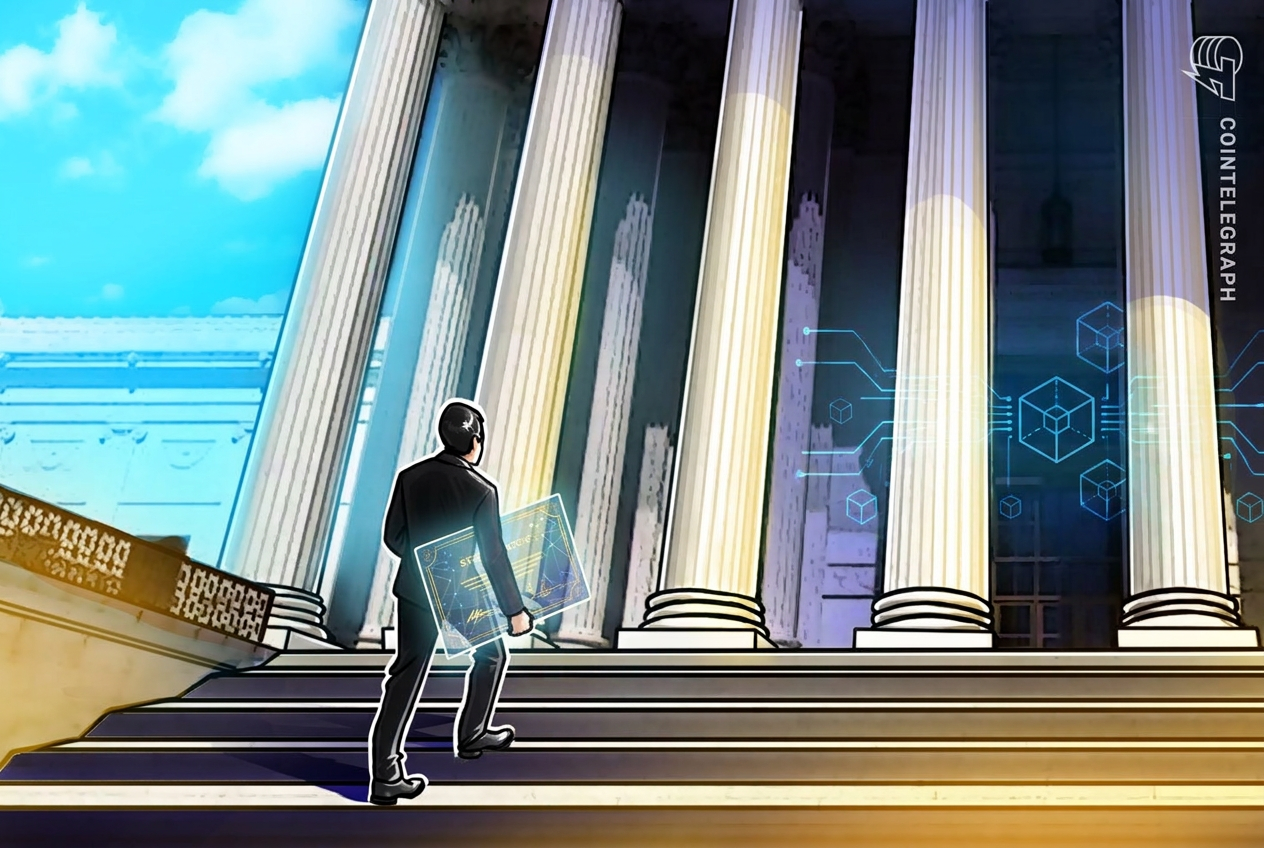
In October 2026, the U.S. Securities and Exchange Commission added tokenization to its fiscal 2027 examination priorities. The SEC announced that examinations under Regulation SCI would focus on emerging trends, including the tokenization of securities, alongside topics such as quantum computing and extended trading hours. The agency also listed tokenization as a high‑risk area for clearing agencies, putting it in the same category as default management and securities lending. This move signals that regulators see tokenized securities as a potential source of market risk that needs close monitoring.
What it means for you
If you are looking to earn passive income through tokenized assets—whether by holding tokenized shares that pay dividends or by staking tokens that represent debt instruments—you should understand both the upside and the risk profile.
On the upside, tokenized securities can provide quicker access to markets that were previously limited by geography or high minimum investment thresholds. You may also benefit from automated payouts and transparent ownership records.
On the risk side, tokenization introduces operational risks (e.g., smart contract bugs), custodial risks (who holds the private keys), and regulatory risks (the SEC may impose new compliance requirements or even halt certain token offerings). Because tokenized securities are still subject to the same securities laws as their traditional counterparts, any violation—such as an unregistered offering—can lead to enforcement actions that affect token holders.
What to check / how to judge
- Regulatory compliance: Verify that the token issuer is registered with the SEC or has a valid exemption. Look for filings on the SEC’s EDGAR database that reference the token offering.
- Smart contract audit: Ensure the token’s smart contract has been audited by a reputable third‑party security firm. Audits should be publicly available and cover both code correctness and potential vulnerabilities.
- Custody solution: Understand how the tokens are stored. If a platform holds the private keys on your behalf, assess its insurance coverage and security practices.
- Liquidity: Check whether the token can be traded on regulated secondary markets or reputable exchanges. Limited liquidity can make it hard to exit a position.
- Underlying asset verification: Confirm that the issuer actually holds the securities it claims to tokenize. This is often demonstrated through escrow agreements or custodial attestations.
FAQ
Is a tokenized share the same as a regular share?
Functionally, a tokenized share represents the same ownership rights as a traditional share, but it exists on a blockchain and is transferred via smart contracts. Legal rights depend on the underlying agreement and regulatory approvals.
Can I earn dividends from tokenized stocks?
Yes, if the token’s smart contract is designed to distribute dividends. The issuer must fund the payouts, and the contract will automatically credit token holders’ wallets.
What happens if the SEC changes its rules on tokenization?
Regulatory changes could require token issuers to modify their offerings, register with the SEC, or even cease operations. As a token holder, you might face restrictions on trading or be required to comply with new reporting obligations.
Are tokenized securities safer than traditional ones?
Tokenization adds transparency and can reduce settlement risk, but it also introduces new technical risks. Safety depends on the quality of the smart contract, the robustness of the platform, and adherence to securities regulations.
This article references reporting from cointelegraph.com.