Are you wondering whether a compromised online store can put your crypto assets at risk? This article explains how data breaches involving hardware wallet purchases can lead to targeted scams, phishing attacks, and even physical threats, and what you can do to protect yourself.
What a hardware wallet breach actually means
A hardware wallet is a physical device that stores your private keys offline, keeping them away from internet‑connected threats. The device itself is secure, but the companies that sell them often run online stores that collect personal information such as names, email addresses, phone numbers, and shipping addresses. When a breach exposes this data, attackers gain a “profile” of the wallet owner.
With that profile, criminals can launch targeted phishing attacks—emails or messages that appear to come from a trusted source and ask you to click a link, enter a password, or download a file. Because the attacker already knows details like the brand of wallet you own, the scam looks more convincing.
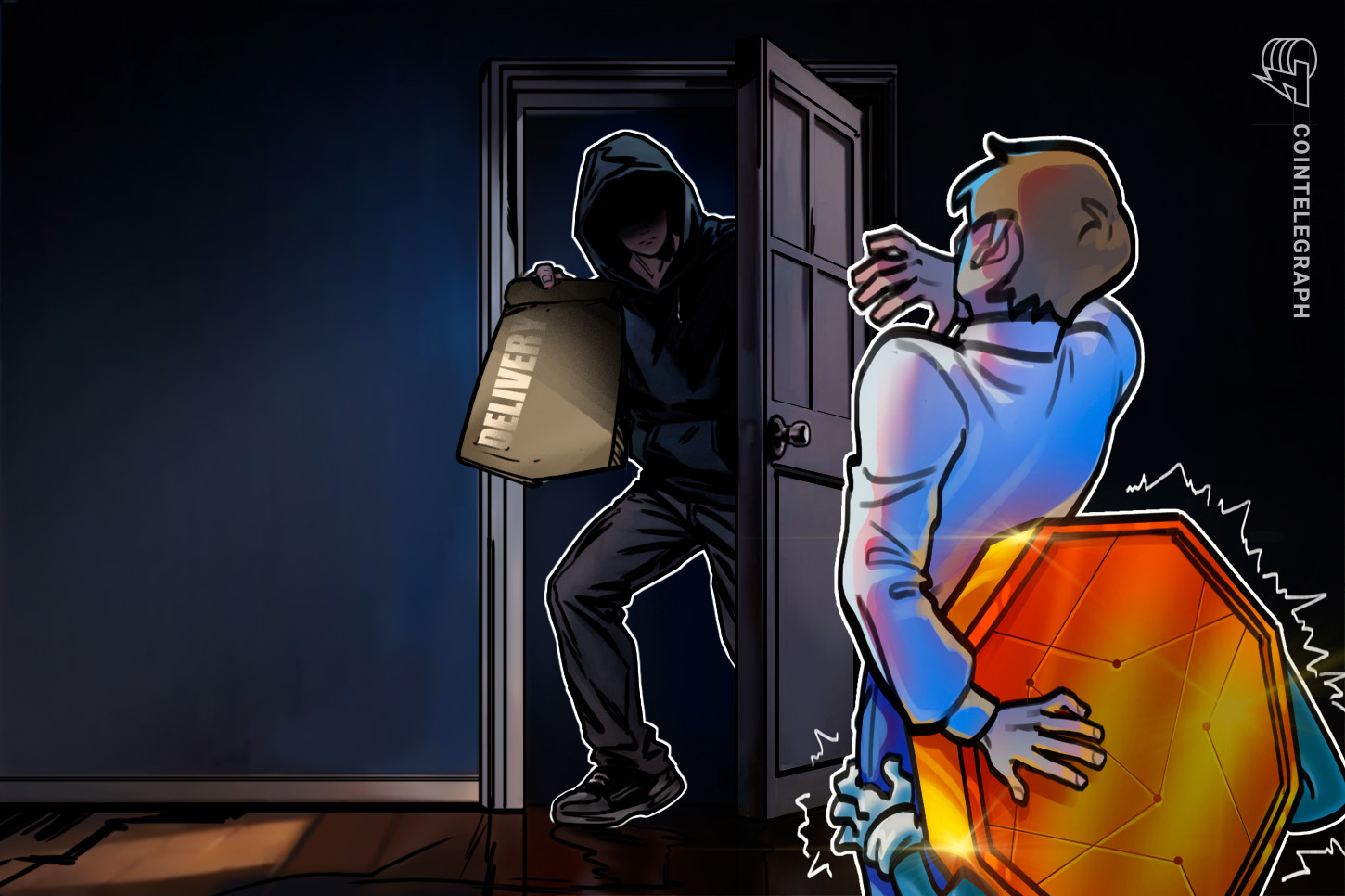
More alarming is the rise of “wrench attacks,” where thieves use physical intimidation, threats, or even kidnapping to force victims to hand over their crypto. Knowing a victim’s home address makes it easier for criminals to locate them, turning a digital theft into a real‑world danger.
Real‑world illustration
In October 2026, hardware wallet manufacturer Keystone disclosed that an unauthorized third party accessed its Shopify‑based store’s API and stole customer shipping information, including names, contact details, and addresses. The breach affected buyers of Keystone devices, some of whom had purchased their wallets more than two years earlier. Following the leak, users reported receiving scam calls impersonating law enforcement and phishing emails that referenced details from their Keystone orders.
What it means for you
If you own a hardware wallet, a breach of the retailer’s database does not compromise the keys stored on the device, but it does give attackers a foothold for social engineering. You may start receiving more convincing phishing emails, phone scams, or even be at higher risk of a wrench attack if your physical address is known.
Even if you bought your wallet from a reputable brand, the company’s data retention policies may keep your purchase information for longer than advertised, increasing exposure over time.
How to assess and reduce the risk
- Verify the source of any communication. Always check the sender’s email address or phone number and avoid clicking links or downloading attachments unless you can confirm the request through an official channel.
- Use separate email accounts. Consider creating a dedicated email address for crypto‑related purchases and communications, keeping it separate from your personal or work email.
- Enable two‑factor authentication (2FA). Wherever possible, add a second verification step—such as an authenticator app or hardware security key—to protect your online accounts.
- Limit personal data sharing. When ordering a hardware wallet, use the minimum required information and opt out of marketing communications if offered.
- Stay informed about known breaches. Subscribe to reputable security newsletters or follow trusted researchers to learn quickly if a vendor you use has been compromised.
- Consider a post‑office box. If you are especially concerned about physical threats, using a mailing box instead of your home address can obscure your location.
FAQ
Will a data breach expose my private keys?
No. Private keys are stored only on the hardware wallet itself and never transmitted to the vendor’s website. A breach of shipping data does not give attackers direct access to your crypto.
How can I tell if an email is a phishing attempt?
Look for mismatched sender addresses, generic greetings, urgent language, and unexpected attachments or links. If the email references a recent purchase, verify it by logging into the vendor’s official website—not by clicking the email’s link.
What are wrench attacks and how common are they?
Wrench attacks involve physical intimidation or violence to force a crypto holder to surrender assets. Security firm CertiK reported 52 verified wrench attacks worldwide in the first half of 2026, a 33 % increase over the previous year, indicating a growing threat.
Should I stop using hardware wallets after a breach?
Hardware wallets remain one of the safest ways to store crypto because the keys never leave the device. However, you should enhance your personal security practices—especially around personal data—to mitigate the increased risk of social engineering.
This article references reporting from cointelegraph.com.