
Are you wondering why the earnings from Bitcoin mining can swing dramatically from month to month? This article explains the key factors that determine mining profitability and shows you how to evaluate whether mining makes sense for you.
What mining profitability actually means
Bitcoin mining is the process of using computer hardware to solve complex mathematical puzzles. When a miner finds a valid solution, they add a new block to the blockchain and receive a block reward—currently 6.25 BTC—plus any transaction fees included in that block. Profitability is the difference between the value of those rewards (converted to your local currency) and the total cost of running the hardware.
Four main variables affect that calculation:
- Bitcoin price: The higher the market price of BTC, the more revenue each block generates.
- Network hash rate: This is the total computing power of all miners combined. A higher hash rate means more competition, so an individual miner’s share of blocks drops.
- Energy cost: Mining hardware consumes electricity continuously. The price you pay per kilowatt‑hour (kWh) directly impacts expenses.
- Hardware efficiency: Modern ASIC miners deliver more hashes per watt of electricity. More efficient machines reduce the energy cost per BTC earned.
Other, less direct factors include transaction fee levels (which rise when the network is congested) and any subsidies or tax incentives that apply to your location.
Real‑world illustration
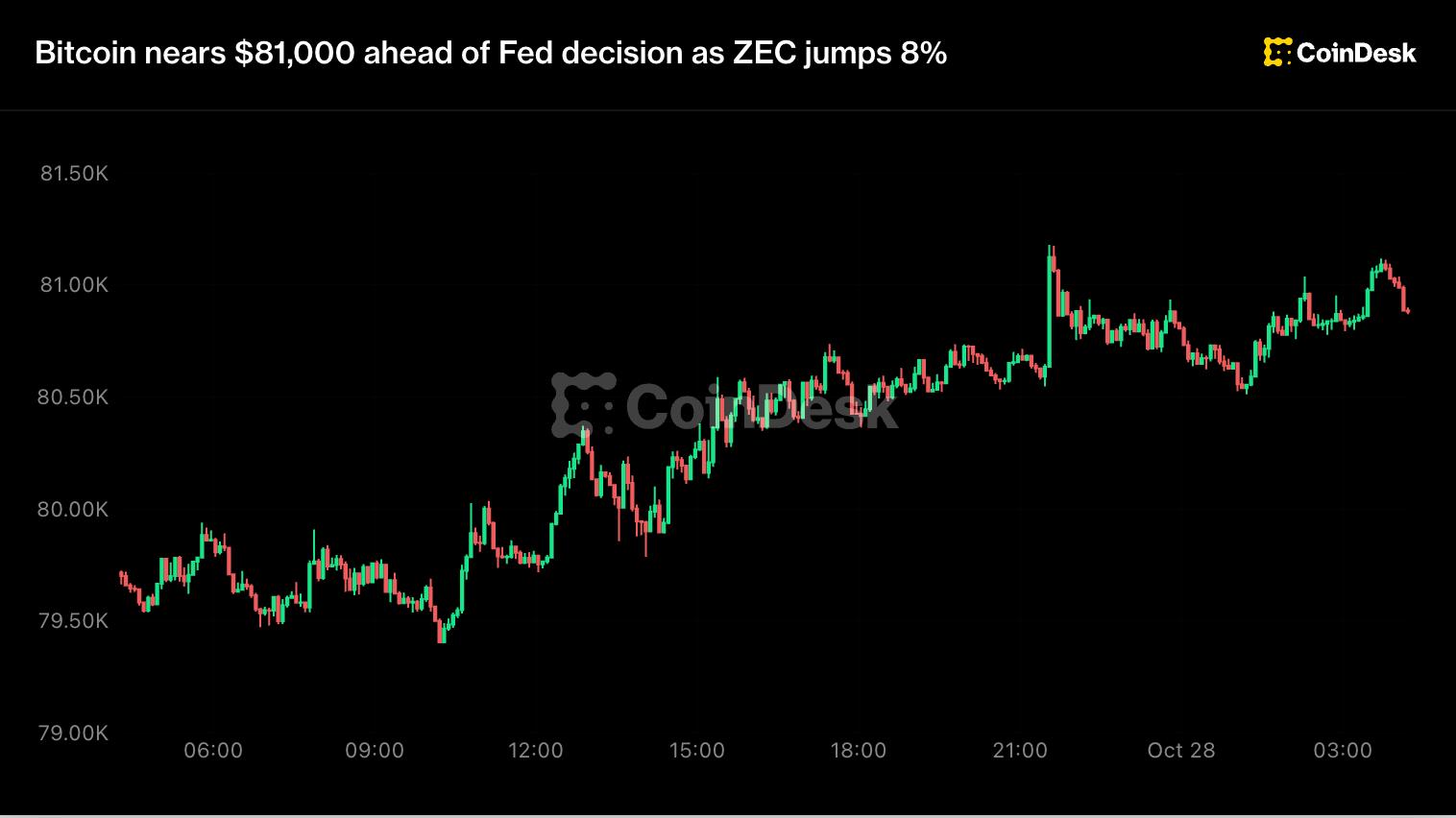
In March 2026, Bitcoin’s price approached $81,000 as the U.S. Federal Reserve prepared to announce its interest‑rate decision. The surge in price temporarily boosted mining revenue, even though the network’s hash rate continued to climb. Miners who had recently upgraded to the latest ASIC models saw a noticeable increase in profit margins, while those operating older, less efficient equipment experienced only modest gains because their electricity costs ate up most of the extra income.
What this means for you
If you are considering earning Bitcoin through mining, the example above highlights two important takeaways. First, price spikes can improve earnings, but they are unpredictable and often short‑lived. Second, the long‑term trend in network hash rate is upward, meaning competition will keep increasing. Your best chance of maintaining profitability is to keep hardware up‑to‑date and to locate your operation where electricity is cheap.
How to evaluate a mining opportunity
- Calculate break‑even cost: Use an online mining calculator. Input your hardware’s hash rate, power consumption, local electricity price, and the current BTC price. The tool will show the BTC amount you need to mine each day to cover expenses.
- Check hardware efficiency: Look for the hash‑per‑watt figure (GH/s per watt). More efficient models reduce the amount of electricity needed per BTC earned.
- Assess electricity rates: Compare rates from different providers or consider renewable options, which can lower costs and improve sustainability.
- Monitor network difficulty: Difficulty adjusts roughly every two weeks to keep block times at ten minutes. A rising difficulty indicates more competition and can erode profits.
- Factor in depreciation: Mining rigs lose value over time. Estimate how many months you expect to run the equipment before it becomes obsolete.
FAQ
Will a higher Bitcoin price always make mining profitable?
No. While a price increase raises revenue, mining costs—especially electricity and hardware depreciation—remain. If the network hash rate grows faster than the price, profit margins can stay flat or even shrink.
Can I mine profitably with a home PC?
For Bitcoin, no. The network’s hash rate is dominated by specialized ASIC miners that are orders of magnitude more efficient than consumer CPUs or GPUs. Using a home PC would result in electricity costs far exceeding any BTC earned.
How important are transaction fees?
Fees become a larger part of miner revenue when the network is congested and users are willing to pay more to have their transactions confirmed quickly. However, fees typically represent a small share of total earnings compared with the block reward.
Is renewable energy a viable way to improve profitability?
Yes. Renewable sources such as solar or wind can lower or even eliminate electricity costs, which are the biggest expense for miners. Some operators also benefit from tax credits or subsidies for using green energy.
This article references reporting from coindesk.com.






I enjoyed the way you opened up this topic for discussion. The article gave me a useful perspective and left me curious to explore further.