Are you curious about buying a share of a company in the form of a digital token? This article explains what tokenized equities are, how they differ from traditional stocks, and why regulatory clarity is essential for anyone looking to invest significant amounts in these assets.
What tokenized equities are and how they function
Tokenized equities are digital representations of ownership or economic exposure to a real‑world company, issued on a blockchain. Each token corresponds to a specific number of underlying shares or a claim on the company’s cash flows. The token lives on a public or permissioned ledger, allowing it to be transferred instantly, 24/7, without the need for a traditional broker’s settlement system.
There are two main structures:
- Equity‑backed tokens – The token holder receives the same rights as a conventional shareholder, including voting power and dividend entitlement. This model requires the token to be treated as a security under most jurisdictions.
- Debt‑styled tokens – The token provides economic exposure (e.g., price movements and dividend‑like payouts) but does not grant voting rights or full shareholder privileges. These are often classified as “tokenized debt securities” rather than securities.
Because the token exists on a blockchain, it can be stored in a digital wallet, traded on specialized exchanges, and settled in seconds. However, the legal classification of the token determines which regulations apply. In the United States, the Securities and Exchange Commission (SEC) treats most equity‑linked tokens as securities, meaning they must comply with registration, disclosure, and investor protection rules.
Why regulatory certainty matters
Investors need to know whether a tokenized equity will retain its legal status over the long term. If a regulator later decides that a token does not meet the definition of a security, the token could be forced off‑ramp, frozen, or re‑classified, potentially erasing its value. Conversely, clear rules give platforms the confidence to lock in large pools of capital, develop robust custody solutions, and offer full shareholder rights.
Regulatory uncertainty also affects the cost of compliance. Platforms may have to implement extensive KYC (Know‑Your‑Customer) and AML (Anti‑Money‑Laundering) procedures, maintain separate custodial accounts, and file periodic reports. These overheads are passed on to users in the form of higher fees or limited product offerings.
Real‑world illustration
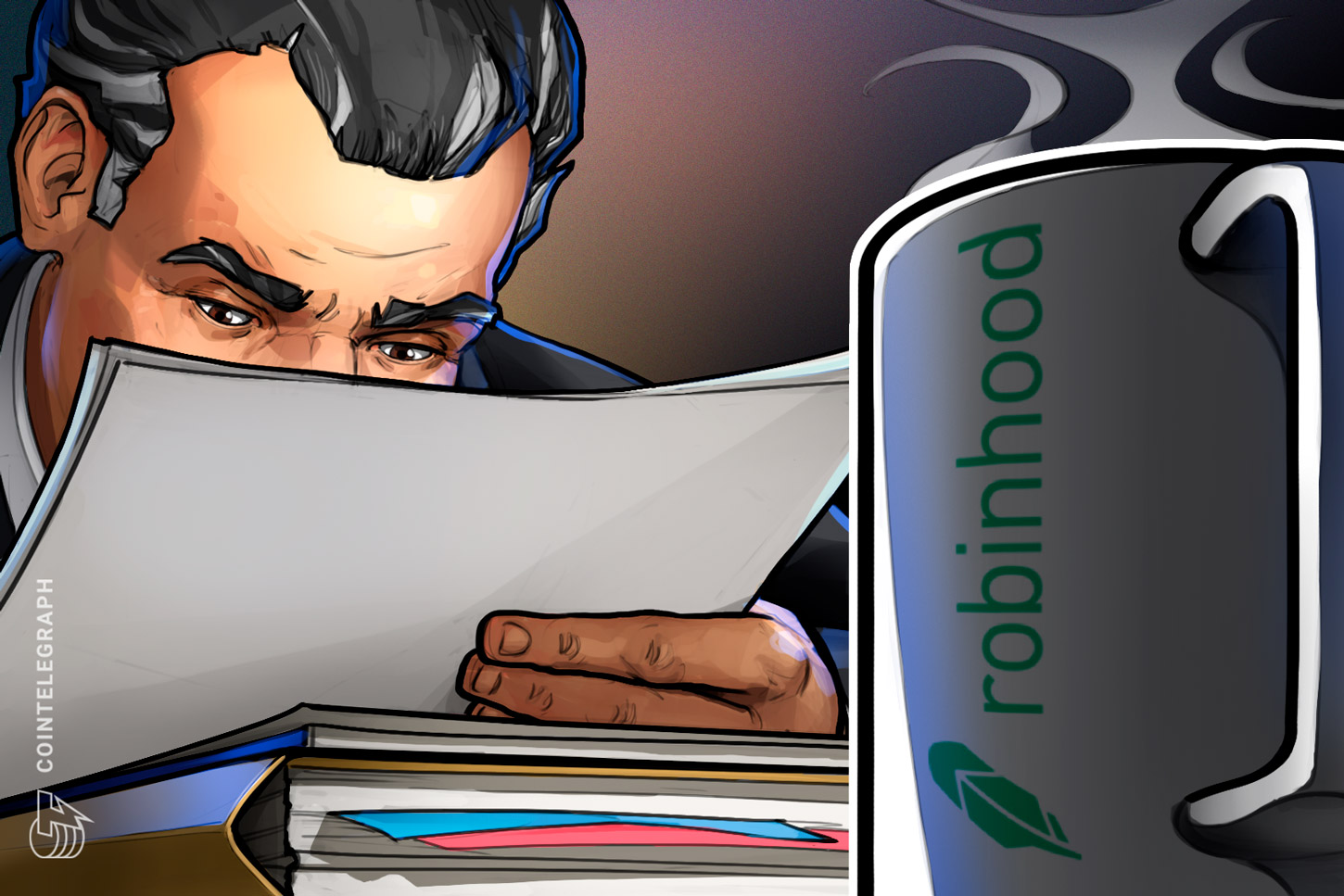
In October 2026, Robinhood CEO Vlad Tenev told investors that the temporary SEC “innovation exemption” for on‑chain stock trading was a positive step, but it did not provide the long‑term certainty needed for “serious assets.” He explained that without clear rulemaking or legislation, investors might hesitate to allocate substantial funds to tokenized markets. Robinhood’s own tokenized stock products are structured as debt‑styled tokens, which currently sit outside the exemption because they lack voting and dividend rights. This example shows how regulatory nuances directly shape product design and investor confidence.
What this means for you
If you are considering adding tokenized equities to your portfolio, keep the following points in mind:
- Tokens that grant full shareholder rights are more likely to receive stable regulatory treatment, but they may also come with stricter compliance requirements.
- Debt‑styled tokens can offer price exposure with fewer rights, potentially resulting in lower fees, but they carry the risk of being re‑classified if regulators change their stance.
- Platforms operating under temporary exemptions may limit the size of positions or the types of tokens they offer, affecting liquidity and the ability to scale your holdings.
How to evaluate a tokenized equity offering
Before committing capital, ask yourself these questions:
- Legal classification: Does the token provide voting and dividend rights, or is it a debt‑styled claim?
- Regulatory framework: Is the offering covered by a permanent SEC rule, a temporary exemption, or is it operating in a jurisdiction with clear guidance?
- Custody and settlement: How does the platform safeguard the underlying shares, and what happens if the token is delisted?
- Fees and liquidity: What are the trading, custody, and withdrawal fees, and how easily can you sell the token on secondary markets?
- Transparency: Does the issuer publish regular audits or reports confirming the backing assets?
FAQ
Do tokenized equities give me the same voting rights as regular shares?
Only if the token is structured to mirror full shareholder rights. Many current offerings are debt‑styled and do not include voting power, which can affect your influence over corporate decisions.
Can I hold tokenized stocks in a regular brokerage account?
Typically, you need a digital wallet compatible with the blockchain the token resides on, and the platform must support token custody. Some brokerages are beginning to integrate tokenized assets, but availability varies.
What happens if the SEC changes its stance on tokenized equities?
A regulatory shift could require platforms to re‑register tokens, alter their structure, or even cease offering certain products. This could impact token liquidity and value, so staying informed about regulatory developments is essential.
Are tokenized equities safer than buying the underlying stock directly?
Safety depends on the platform’s security practices, the legal backing of the token, and regulatory compliance. While blockchain can reduce settlement risk, the token’s legal status adds another layer of risk that does not exist with traditional shares.
This article references reporting from cointelegraph.com.