
Are you curious about how crypto‑based betting platforms stay legal and what that means for your ability to earn passive income through prediction markets? This article breaks down the regulatory landscape, explains how platforms navigate legal hurdles, and shows you what to watch for when you consider joining a crypto betting service.
What crypto betting and prediction markets are
Crypto betting platforms let users place wagers on the outcome of events—sports scores, election results, commodity prices, or even the weather—using digital assets instead of traditional fiat currency. A prediction market is a type of betting platform that aggregates participants’ bets to generate a market price that reflects the collective probability of an event occurring. When you place a bet, you typically lock up a cryptocurrency (such as Bitcoin, Ethereum, or a stablecoin) in a smart contract. If your prediction is correct, the contract releases the pooled funds plus any winnings; if not, the funds stay in the pool for other participants.
Because these platforms operate with blockchain technology, they can offer near‑instant settlement, transparent odds, and global access. However, the same features that make them attractive also attract the attention of regulators who view betting as a form of gambling or a financial service that may need licensing, consumer protection, and anti‑money‑laundering (AML) safeguards.
How regulation affects crypto betting platforms
Regulators approach crypto betting in three main ways:
- Licensing requirements. Many jurisdictions treat betting as a gambling activity that requires a specific license. A platform must apply for a gambling license, demonstrate financial solvency, and often partner with a local operator.
- Consumer protection rules. Authorities may demand that platforms disclose odds, provide mechanisms for dispute resolution, and enforce limits on how much a user can wager or lose.
- AML and Know‑Your‑Customer (KYC) obligations. Because funds move on a public ledger, regulators still require platforms to verify user identities and monitor transactions for suspicious activity.
When a regulator imposes new rules or challenges a platform’s ability to operate, the platform may need to adjust its product, relocate its services, or fight the decision in court. The outcome can directly affect users: a platform that loses its license may halt betting in that region, freeze user balances, or force users to withdraw funds.
Real‑world illustration: the Utah lawsuit against Kalshi
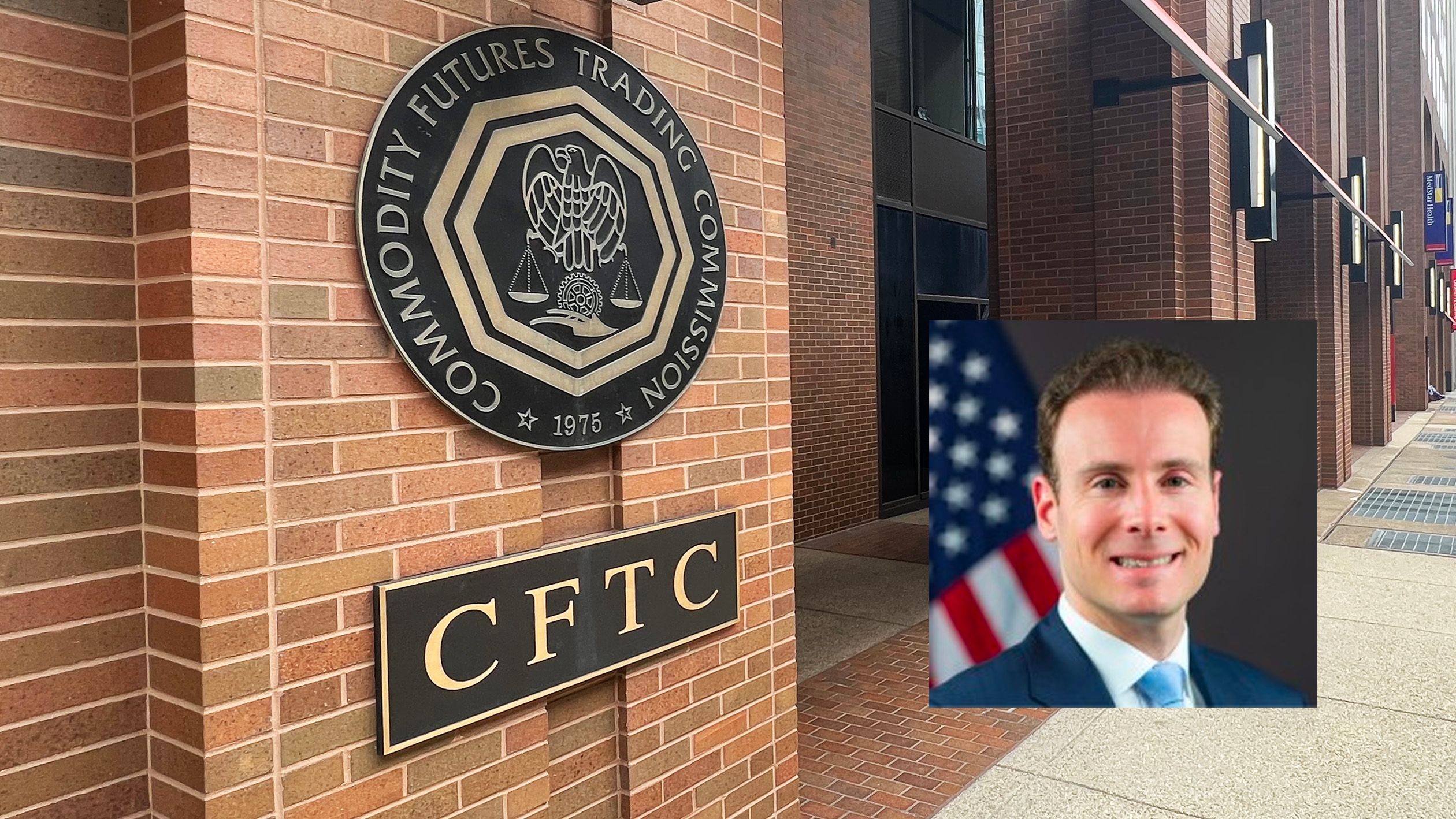
In August 2026, the U.S. Commodity Futures Trading Commission (CFTC) filed a lawsuit against the state of Utah to protect Kalshi’s ability to offer its tokenized‑stock betting products there. Kalshi, a regulated exchange that lets users trade event contracts tied to real‑world outcomes, argued that Utah’s attempt to block its services violated federal law. The case highlights how state‑level actions can clash with federal regulators, creating uncertainty for platforms that operate across multiple jurisdictions.
The lawsuit does not change the underlying mechanics of how Kalshi’s contracts work, but it underscores the importance of understanding the regulatory backdrop before committing funds. If the court had ruled against Kalshi, users in Utah might have lost access to the platform and potentially faced delays in withdrawing their assets.
What this means for you
When you consider earning through crypto betting or prediction markets, keep these points in mind:
- Access can be region‑specific. A platform that is fully functional in one country may be blocked or limited in another due to licensing gaps.
- Funds may be frozen during legal disputes. If a regulator forces a platform to suspend operations, your deposited crypto could be temporarily inaccessible.
- Compliance costs can affect payouts. Platforms that invest heavily in licensing and AML procedures may charge higher fees, which can reduce your net earnings.
Understanding the regulatory environment helps you choose platforms that are less likely to face abrupt shutdowns and that have clear procedures for handling user funds during legal challenges.
How to evaluate a crypto betting platform
Before you deposit any cryptocurrency, run through this short checklist:
- Licensing status. Verify that the platform holds a gambling or financial services license in the jurisdiction where you reside. Look for public license numbers or links to regulator websites.
- Regulatory jurisdiction. Identify which regulator oversees the platform (e.g., CFTC in the United States, UK Gambling Commission, Malta Gaming Authority). Platforms regulated by well‑known bodies tend to have more robust consumer protections.
- KYC/AML policies. Review the platform’s onboarding process. Legitimate services will require identity verification and will publish an AML policy.
- Fund custody. Check whether the platform holds user funds in a custodial wallet, a non‑custodial smart contract, or a hybrid model. Non‑custodial setups give you direct control but may lack insurance.
- Dispute resolution. See if the platform offers a clear process for handling bet disputes, including a third‑party arbitrator or a transparent on‑chain audit trail.
- Fee structure. Understand all fees—deposit, withdrawal, betting, and platform fees—so you can calculate realistic net returns.
FAQ
Is betting with crypto legal in the United States?
Legality varies by state. Some states treat crypto betting as traditional gambling and require a state license, while others have no specific rules but may apply existing gambling or securities laws. Federal agencies like the CFTC also have authority over certain types of event contracts.
What happens to my funds if a platform is shut down by regulators?
Regulated platforms typically have procedures for returning user balances, but the process can take weeks or months, especially if legal appeals are involved. Non‑custodial platforms give you direct control of your assets, reducing this risk.
Do I need to complete KYC to use a crypto betting platform?
Most reputable platforms require KYC to comply with AML regulations. Some decentralized services may allow anonymous participation, but they often lack consumer protections and may be more vulnerable to regulatory action.
Can I earn a reliable passive income from prediction markets?
Prediction markets can generate returns, but earnings are tied to the accuracy of your forecasts and the platform’s fee structure. Risks include market volatility, regulatory changes, and the possibility of losing your stake on any single prediction.
This article references reporting from coindesk.com.





