
Ever wonder why a surge in chip maker stocks can lift the price of Bitcoin? This article explains the link between semiconductor performance, mining costs, and the earnings you can expect from crypto mining.
The basics: what semiconductor trends have to do with crypto
Cryptocurrency mining is the process of using computer hardware to solve complex mathematical puzzles. When a miner solves a puzzle, the network rewards them with newly minted coins and transaction fees. The hardware that does this work is built around specialized chips—most commonly Application‑Specific Integrated Circuits (ASICs) for Bitcoin and Graphics Processing Units (GPUs) for many other coins.
An ASIC is a chip designed to perform one type of calculation extremely efficiently. Because mining is essentially a race to perform as many hashes (the calculations) as possible, miners constantly seek newer, faster, and more power‑efficient ASICs. The same principle applies to GPUs, which are versatile but still benefit from improvements in speed and energy use.
When semiconductor companies report higher profits or launch new products, it usually signals that newer, more efficient chips are becoming available. For miners, that means lower electricity costs per hash and the ability to run more powerful rigs. Conversely, a slowdown in chip production can raise hardware prices and delay upgrades, squeezing profit margins.
Real‑world illustration: the March 2026 chip rally
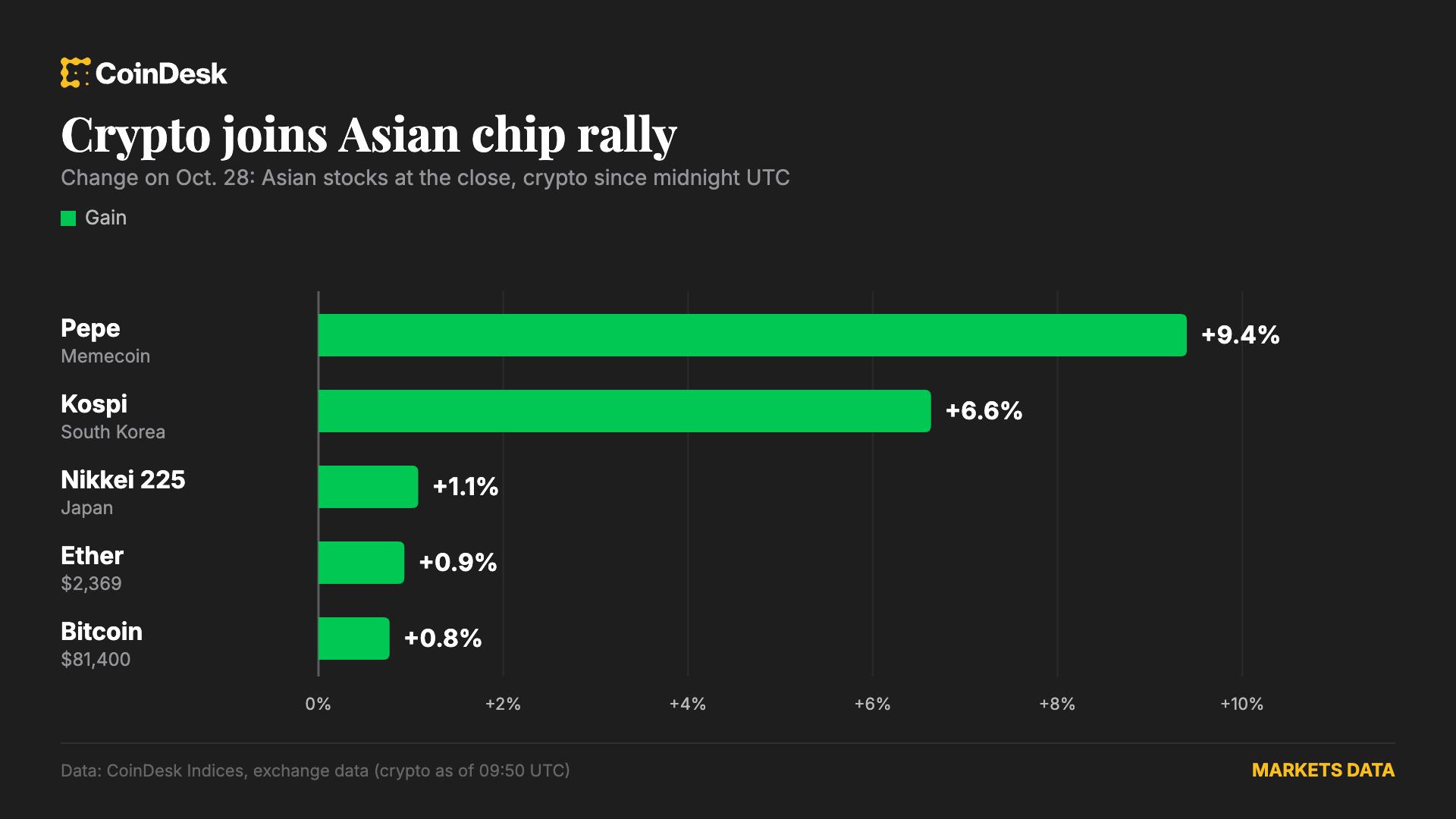
In March 2026, South Korea’s Kospi index jumped 6.6% after SK Hynix reported a seven‑fold profit increase, sending the chip maker’s shares up around 11%. At the same time, Bitcoin rebounded above $81,000. Analysts noted that the “chip rally” helped boost confidence in the mining sector because the surge suggested that newer, more efficient hardware could soon enter the market, reducing miners’ operating costs.
What this means for you as a miner or passive‑income seeker
If you are running a home mining rig, investing in a mining pool, or considering cloud‑mining contracts, semiconductor trends affect two key variables:
- Hardware cost: When chip makers are doing well, they often ramp up production, which can lower the price of ASICs and GPUs. Lower upfront costs improve the return on investment (ROI) for new rigs.
- Energy efficiency: Newer chips typically consume less electricity per unit of hash power. Since electricity is the largest ongoing expense for miners, any efficiency gain directly raises net earnings, making mining a more viable source of passive income.
Therefore, keeping an eye on semiconductor earnings reports, product launches, and supply‑chain news can help you time purchases and upgrades for maximum profitability.
How to evaluate the impact before you invest
- Track major chip manufacturers: Follow quarterly reports from companies like SK Hynix, Samsung, TSMC, and Intel. Look for trends in profit growth, capacity expansions, and announcements of new ASIC or GPU models.
- Check hash‑rate efficiency metrics: Manufacturers publish the hash‑rate (how many calculations per second) and power consumption of new chips. Compare the hash‑per‑watt figure to your current hardware.
- Monitor electricity prices: Even the most efficient chip can be unprofitable if local electricity rates are high. Use online calculators to estimate daily earnings based on current hash‑rate and power cost.
- Watch market sentiment: A strong chip rally often coincides with bullish sentiment in the broader crypto market, which can lift coin prices and improve mining rewards.
- Consider diversification: If you rely on a single coin, a drop in its price can erode profits despite efficient hardware. Some miners spread their hash power across multiple algorithms to smooth earnings.
FAQ
Why does a rise in chip company profits affect Bitcoin price?
Higher profits usually mean better or cheaper mining hardware is on the horizon. Anticipation of lower operating costs can encourage more miners to enter the market, increasing demand for Bitcoin and pushing its price up.
Can I profit from mining without buying new hardware?
Yes. You can join a mining pool that aggregates many miners’ hash power, or you can purchase cloud‑mining contracts that give you exposure to newer hardware without the upfront capital expense. However, the profitability still depends on the underlying hardware efficiency.
How often do semiconductor improvements actually translate into higher mining earnings?
Significant efficiency gains typically appear every 12‑18 months when a new generation of ASICs or GPUs is released. During those periods, miners who upgrade can see a 10‑30% increase in net earnings, assuming stable coin prices and electricity costs.
Is it risky to base mining decisions on semiconductor news?
All mining involves risk. While semiconductor trends are a strong indicator of future hardware costs, they do not guarantee price movements for the underlying cryptocurrency. Always factor in market volatility, regulatory changes, and your own electricity rates before committing capital.
This article references reporting from coindesk.com.





