Wondering why Bitcoin’s market price matters to anyone who runs a mining rig or joins a cloud‑mining pool? This article explains the relationship between Bitcoin’s price, mining rewards, and your potential earnings.
The basics: Bitcoin mining and rewards
Bitcoin mining is the process of validating transactions and adding them to the public ledger, known as the blockchain. Miners compete to solve a cryptographic puzzle; the first to find a solution creates a new block and receives a block reward. The reward consists of newly minted bitcoins (the “subsidy”) plus any transaction fees included in that block.
Two key variables determine how much a miner earns:
- Block reward size: Currently 6.25 BTC per block, halving roughly every four years.
- Bitcoin’s market price: The fiat value of the earned BTC when it is sold or held.
Mining hardware consumes electricity, and the cost of that electricity is usually measured in fiat currency (e.g., USD). Therefore, the profitability of mining is calculated in fiat terms: how much revenue (BTC × price) you generate versus how much you spend on power, equipment depreciation, and other operational costs.
Why price swings matter
When Bitcoin’s price rises, the fiat value of each block reward increases, boosting revenue for all miners. Conversely, a price drop reduces revenue, potentially turning a profitable operation into a loss‑making one. Because the block subsidy is fixed until the next halving, price is the only variable that can quickly change a miner’s bottom line.
Mining difficulty—a measure of how hard it is to find a block—adjusts roughly every two weeks to keep block times at ten minutes on average. If many miners drop out because of low prices, difficulty will eventually fall, making it easier for the remaining miners to earn rewards. This self‑balancing mechanism helps stabilize the network but can create short‑term volatility in individual earnings.
Real‑world illustration
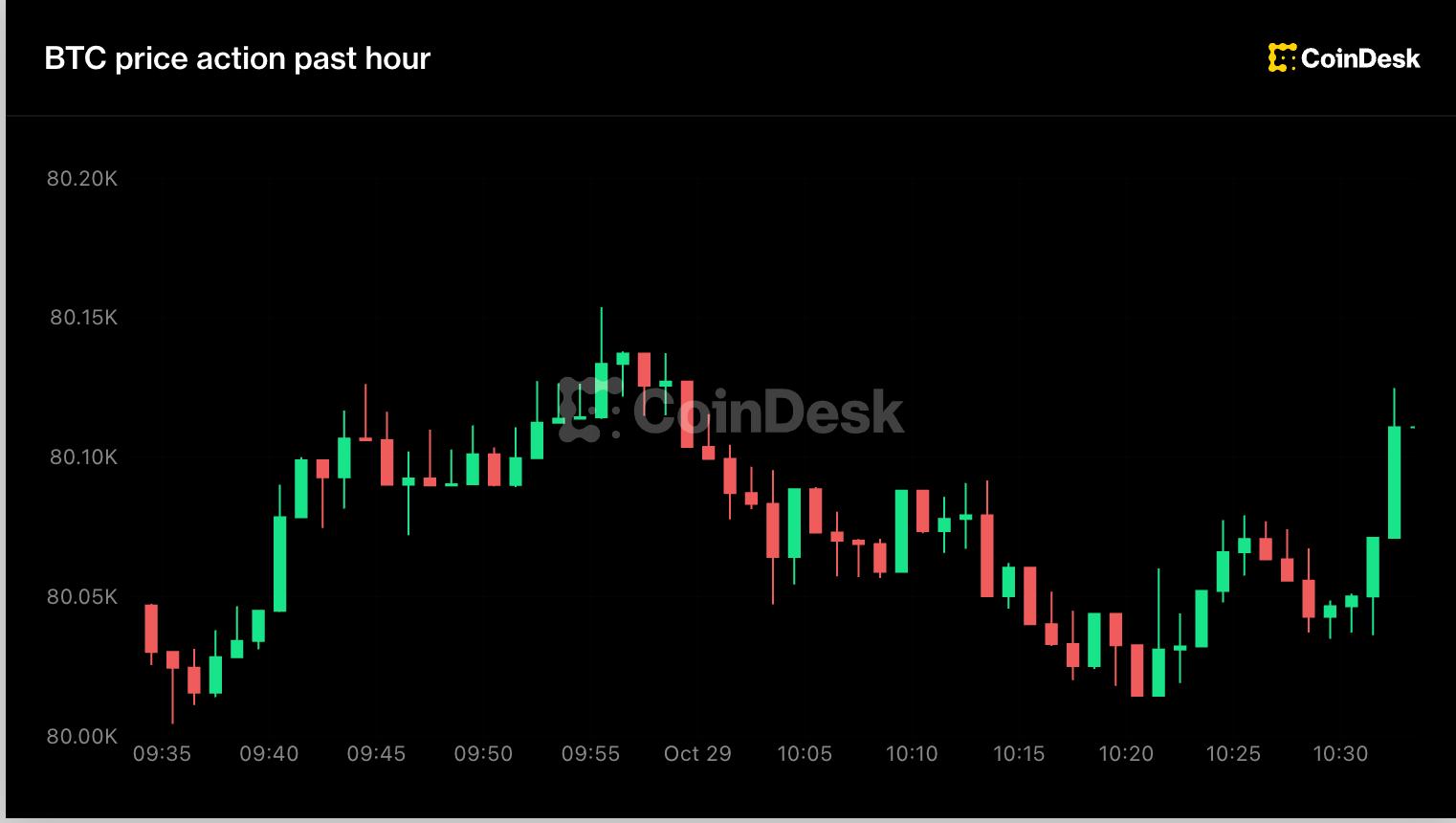
In March 2026, Bitcoin hovered around $80,000 while major tech stocks like Samsung and Google saw their earnings reports cause market turbulence. The price stability of Bitcoin during that period highlighted how the cryptocurrency can behave independently of broader equity markets. For miners, that $80,000 price point meant each 6.25 BTC block was worth roughly $500,000 in fiat terms—a substantial revenue stream compared with earlier years.
What it means for you
If you are considering joining a cloud‑mining service, buying a personal ASIC miner, or simply tracking mining profitability calculators, you need to monitor Bitcoin’s price as closely as you track electricity rates. A high price can make even older, less efficient hardware profitable, while a prolonged dip may force you to shut down or switch to a more energy‑efficient setup.
Because price is volatile, many miners hedge by selling a portion of their daily earnings on the spot market, converting BTC to stable fiat or stablecoins. This reduces exposure to sudden price drops but also caps upside potential.
How to assess mining profitability
- Calculate expected revenue: Multiply the block reward (including fees) by the current Bitcoin price, then adjust for your share of the network hash rate.
- Subtract operating costs: Include electricity price per kWh, hardware depreciation, pool fees, and any rental fees if using cloud services.
- Factor in difficulty trends: Use a mining profitability calculator that updates difficulty every two weeks to see how future earnings may change.
- Consider hedging strategies: Decide whether you will hold earned BTC, sell immediately, or use a mixed approach.
- Check the provider’s transparency: For cloud services, verify real‑time hash‑rate reporting, location of hardware (for energy cost estimates), and any contractual lock‑in periods.
FAQ
Why does Bitcoin’s price affect my earnings if the block reward is fixed?
The block reward is fixed in BTC, but you usually need fiat to cover expenses like electricity. A higher Bitcoin price turns each BTC you earn into more fiat, increasing net profit.
Can I mine profitably when Bitcoin’s price is low?
Profitability depends on the ratio of revenue to costs. If you have very cheap electricity or highly efficient hardware, you may still break even or profit at lower prices. Otherwise, low prices often force miners to pause operations.
How often does mining difficulty change, and why does it matter?
Difficulty adjusts every 2016 blocks, roughly every two weeks, to keep block times at ten minutes. Higher difficulty means more hash power is needed to earn the same reward, reducing individual profitability unless the Bitcoin price rises accordingly.
Is it better to hold earned BTC or sell it immediately?
Holding BTC can yield higher returns if the price rises, but it also exposes you to downside risk. Selling a portion daily locks in fiat value and protects against sudden drops, while keeping the rest lets you benefit from potential upside.
This article references reporting from coindesk.com.