
Are you worried that new rules might limit where you can buy or sell digital assets? This article explains how regulatory decisions shape crypto exchanges, what the rules typically cover, and how you can stay safe while earning online.
What exchange regulation actually means
Crypto exchange regulation is the set of legal requirements that platforms offering to trade cryptocurrencies must follow. Regulators—often national financial authorities—focus on three main areas: consumer protection, anti‑money‑laundering (AML) compliance, and market integrity. Consumer protection rules aim to prevent fraud, ensure transparent pricing, and give users recourse if something goes wrong. AML rules require exchanges to verify the identity of users (a process known as Know Your Customer or KYC) and to monitor transactions for suspicious activity. Market integrity measures seek to stop market manipulation, such as wash trading or insider trading, that could distort prices.
When an exchange does not meet these standards, regulators can impose fines, require operational changes, or even ban the platform from operating in their jurisdiction. The goal is to create a safer environment for retail investors while still allowing innovation.
Real‑world illustration
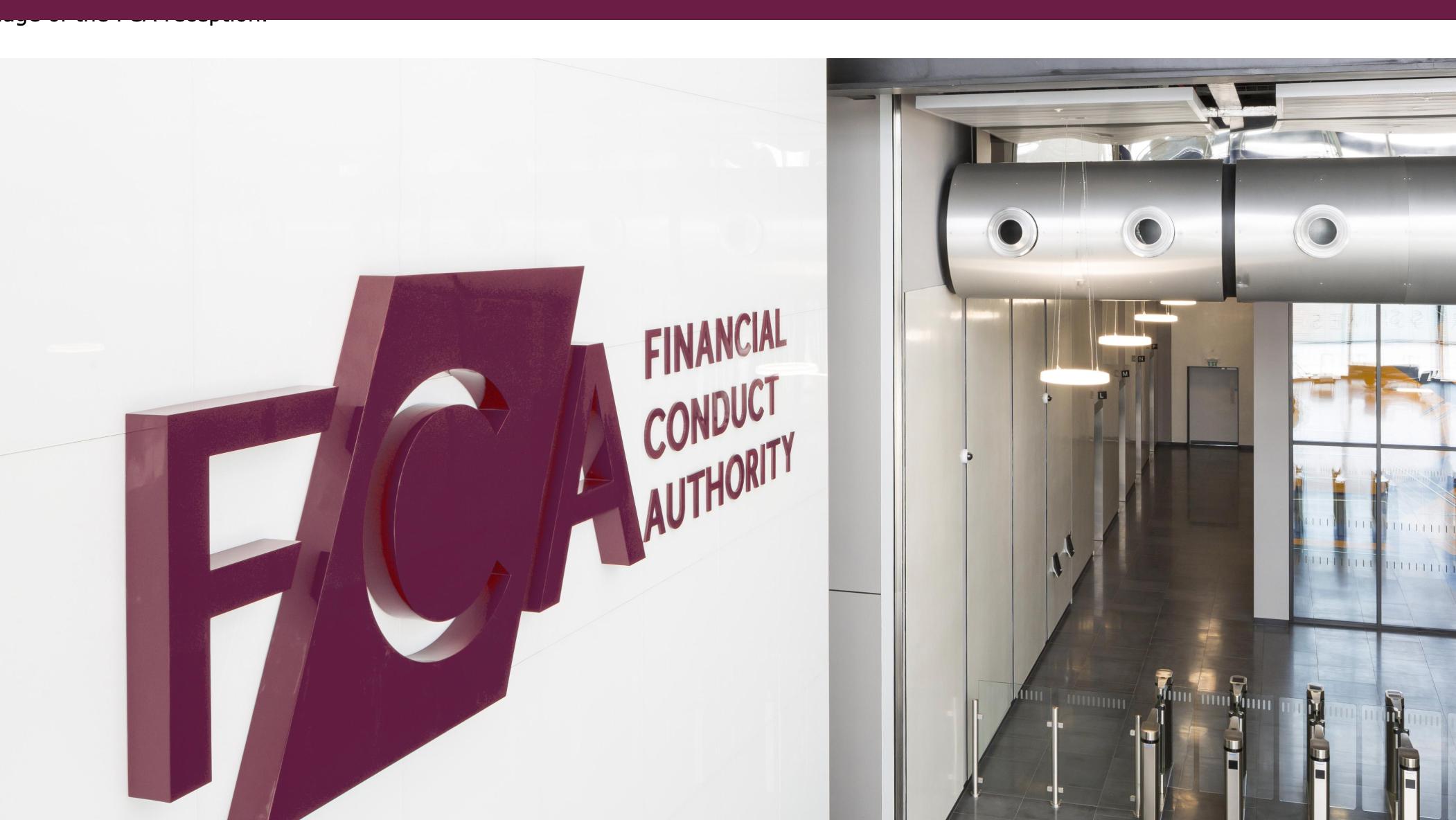
In March 2026, the former Huobi exchange, now operating under the brand HTX, announced that it would stop accepting deposits from British customers and would no longer run crypto promotions aimed at the UK market. The change followed a settlement with the United Kingdom’s Financial Conduct Authority (FCA), which enforces the country’s crypto‑related rules. HTX’s decision to exit the UK market demonstrates how regulatory pressure can directly affect the availability of services to users in a specific region.
What this means for you
If you live in a country where an exchange faces regulatory action, you may notice sudden changes: deposits or withdrawals could be frozen, certain trading pairs removed, or promotional offers withdrawn. For everyday earners, this can interrupt strategies that rely on regular deposits, such as automated cloud mining payouts or staking reward cycles. It also underscores the importance of diversifying where you hold and trade assets, rather than relying on a single platform.
Regulatory actions do not always signal that an exchange is unsafe; sometimes they reflect a mismatch between the platform’s business model and local law. However, they do highlight the need for vigilance and for understanding the legal backdrop of any service you use.
How to assess an exchange before you commit
- Licensing status: Check whether the exchange holds a license from the financial regulator in your country. Licensed platforms must meet baseline standards for security and consumer protection.
- Compliance transparency: Look for clear KYC and AML policies. Exchanges that hide these processes may be trying to avoid regulatory scrutiny.
- Jurisdiction coverage: Review the list of countries the exchange serves. If your country is excluded, the platform may be planning to withdraw or could already be limited in functionality.
- Security track record: Research past security incidents, such as hacks or fund freezes. A history of unresolved issues can be a red flag.
- Customer support: Test the responsiveness of support channels. Prompt assistance is crucial if you encounter deposit or withdrawal problems.
FAQ
Why do some exchanges stop serving certain countries?
Regulators may require specific licensing, reporting, or consumer‑protection measures that a platform is unwilling or unable to implement. To avoid fines or legal action, exchanges sometimes choose to withdraw from those markets.
Can I still trade crypto if my preferred exchange leaves my country?
Yes, you can switch to another licensed exchange that operates in your jurisdiction. Always verify the new platform’s compliance status and compare fees, security features, and available assets before moving funds.
What should I do if my funds are frozen during a regulatory dispute?
Contact the exchange’s support team for clarification and request a timeline for resolution. If the exchange is under regulatory investigation, you may also reach out to the relevant authority for guidance on your rights.
Do regulatory actions affect the value of the cryptocurrencies I hold?
Indirectly, yes. News of regulatory crackdowns can influence market sentiment, leading to short‑term price volatility. However, the fundamental value of a token depends on its utility, adoption, and network health, not solely on regulatory events.
This article references reporting from coindesk.com.





