
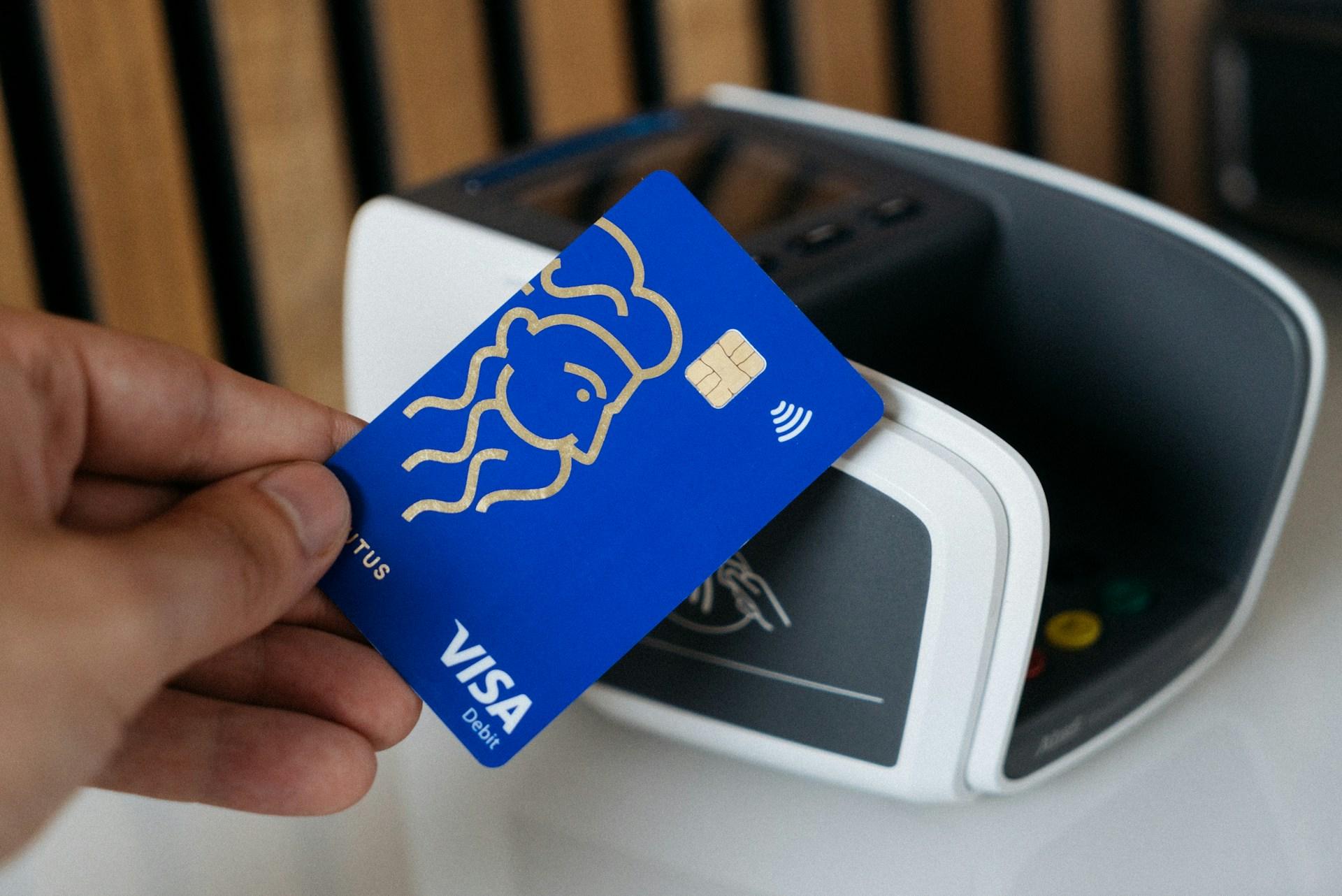
Are you curious whether a crypto‑linked debit or credit card can actually boost your passive income, or if the big rewards are just a marketing hook? This article explains the mechanics behind crypto card reward programs, how providers aim to fund them, and what you should watch for before signing up.
The plain explanation
A crypto card is a payment instrument—usually a debit or credit card—issued by a fintech company that connects to a cryptocurrency wallet. When you spend with the card, the provider converts a portion of the transaction into a reward, often paid in the company’s native token or a popular cryptocurrency such as Bitcoin or Ethereum.
The reward can take several forms:
- Cash‑back equivalents paid in stablecoins (cryptocurrencies pegged to a fiat currency).
- Token bonuses that may appreciate in value if the token’s market price rises.
- Staking incentives where the provider locks a share of the reward into a staking pool, earning additional yield that is later passed on to users.
To make these rewards sustainable, card issuers typically rely on three revenue streams:
- Trading fees: The provider may automatically swap a portion of the user’s crypto holdings or the merchant’s fiat payment into a cryptocurrency on an exchange, earning a spread.
- Lending income: User balances held on the platform can be lent out to other traders or institutions, generating interest that helps fund the rewards.
- Staking returns: Some platforms stake the crypto they hold on behalf of users, collecting block rewards or transaction fees that are then redistributed.
In theory, the combined income from these activities should exceed the cost of the rewards, allowing the card to be profitable while still offering attractive perks.
A real example
In March 2026, several crypto card startups announced that they were willing to absorb substantial short‑term losses to “buy loyalty” by offering unusually high reward rates. The companies explained that they expected future trading, lending and staking revenue to offset the upfront cost and eventually turn card users into profitable customers.
What it means for you
If you are looking for a way to earn extra crypto while you spend, a card with generous rewards can be appealing. However, the sustainability of those rewards depends on the issuer’s ability to generate enough income from the three revenue streams mentioned above. When a provider is still in a growth phase, the promised rewards may be funded by venture capital or by temporarily operating at a loss, which could lead to sudden changes in reward rates or even the discontinuation of the program.
Understanding the source of the rewards helps you gauge the risk. If most of the reward budget comes from volatile trading spreads, a market downturn could shrink the payout. If the issuer relies heavily on lending, regulatory changes affecting crypto lending could also impact the program.
What to check / how to judge
- Revenue transparency: Look for public disclosures or blog posts that explain how the company makes money. A clear breakdown of trading, lending and staking income is a good sign.
- Token economics: If rewards are paid in a proprietary token, read the token’s whitepaper. Check the total supply, inflation rate and any vesting schedules that could dilute value.
- Regulatory compliance: Verify that the issuer is licensed in your jurisdiction and that its lending or staking activities comply with local financial regulations.
- Reward sustainability: Compare the advertised reward percentage with industry averages. Extremely high rates (e.g., 10%+ cash‑back) often indicate that the program is subsidized and may be reduced later.
- Security measures: Ensure the platform uses multi‑factor authentication, cold storage for crypto assets, and has undergone third‑party security audits.
FAQ
Do crypto card rewards count as taxable income?
Yes. In most jurisdictions, any cryptocurrency you receive as a reward is treated as taxable income at its fair market value on the day you receive it. Subsequent price changes are subject to capital gains tax when you sell or use the crypto.
Can I lose money if the card provider’s trading or lending business fails?
Potentially. If the provider cannot generate enough revenue to cover the rewards, they may reduce or suspend payouts, or in extreme cases, freeze user balances. Always keep a portion of your crypto in a wallet you control, not solely on the card platform.
Is it better to earn rewards in a stablecoin or a volatile token?
Stablecoins provide predictable value, reducing the risk of price swings that could erode your earnings. Volatile tokens can increase in value, but they also carry the risk of depreciation. Choose based on your risk tolerance and whether you plan to hold or convert the rewards quickly.
How does staking affect my rewards?
When a card issuer stakes the crypto they hold, they earn additional yield from network rewards or transaction fees. Some platforms pass a portion of that yield back to users, effectively boosting the overall reward rate. However, staking can lock assets for a period, limiting your ability to withdraw or trade them immediately.
This article references reporting from coindesk.com.





