Ever wonder why Bitcoin’s price can swing dramatically and what actually influences those moves? This article breaks down the main forces that push Bitcoin up or down, so you can better understand the market dynamics behind the numbers.
The plain explanation
Bitcoin is a digital asset that lives on a public ledger called a blockchain. Its price is not set by any central authority; instead, it is determined by supply and demand on open markets. When more people want to buy Bitcoin than sell it, the price rises, and when more want to sell than buy, the price falls.
Several specific factors shape that supply‑and‑demand balance:
- Market sentiment. News, social media chatter, and public perception can create optimism (bullish sentiment) or fear (bearish sentiment). Even rumors can move the market.
- Regulatory developments. Governments announcing new rules, bans, or supportive policies can alter expectations about Bitcoin’s future usability and legality.
- Macro‑economic conditions. Inflation rates, interest‑rate changes, and broader financial market trends affect how investors view Bitcoin as a store of value or speculative asset.
- Technical events. Network upgrades, security incidents, or large‑scale hacks directly impact confidence in the system.
- Liquidity and large holders. “Whales”—addresses that control large amounts of Bitcoin—can move markets by buying or selling sizable chunks.
- Alternative assets. Movements in commodities like gold or oil can shift capital flows into or out of Bitcoin, especially when investors treat it as a hedge.
Each factor can act alone or combine with others, creating the complex price patterns that traders observe.
A real example
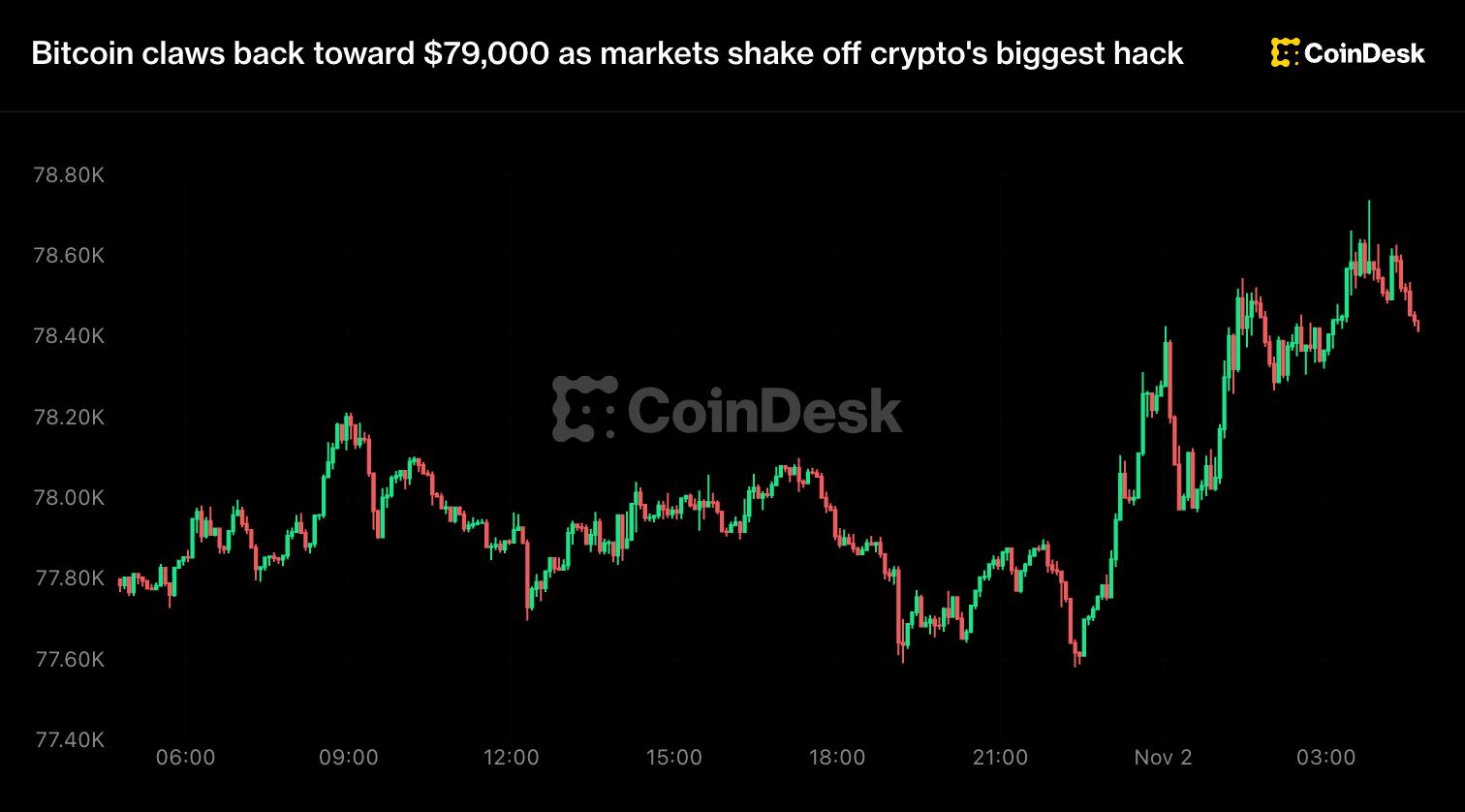
In March 2024, Bitcoin’s price moved back toward $79,000 after the crypto community recovered from its biggest hack to date. The hack had initially spooked investors, causing a sharp sell‑off. As the market digested the incident and confidence began to return, the price rebounded. At the same time, Zcash (ZEC) led the major cryptocurrencies higher, while oil prices slipped following a report that U.S. political discussions might extend diplomatic timelines with Iran. These broader macro‑economic cues also helped lift risk‑on sentiment, contributing to Bitcoin’s recovery.
What it means for you
If you are looking to earn passive income through Bitcoin—whether by buying and holding, staking on platforms that support wrapped Bitcoin, or using cloud‑mining services—understanding price drivers helps you set realistic expectations. A price rally can boost the value of any Bitcoin you hold, but it can also attract more speculative buying, which may increase volatility. Conversely, a negative news cycle can erode confidence quickly, affecting both the market price and the profitability of mining or staking operations.
What to check / how to judge
- Monitor reputable news sources for regulatory announcements that could affect Bitcoin’s legal status.
- Watch macro‑economic indicators such as inflation data, interest‑rate decisions, and commodity price trends.
- Track on‑chain metrics like hash rate, transaction volume, and the activity of large wallets to gauge network health.
- Assess the credibility of any security incident: distinguish between a minor breach and a systemic vulnerability.
- Consider the liquidity of the exchange or platform you use; low liquidity can exaggerate price moves.
FAQ
Why does a single hack cause Bitcoin’s price to drop?
A hack raises concerns about the security of the ecosystem, prompting investors to sell out of fear. Even if the hack affects a specific service rather than the Bitcoin protocol itself, the broader perception of risk can lead to a price decline.
Can macro‑economic events like oil price changes really affect Bitcoin?
Yes. When commodities such as oil move sharply, they can shift investor sentiment across risk assets. A drop in oil prices may signal easing inflation pressures, encouraging investors to allocate more capital to alternative assets like Bitcoin.
Do large holders (whales) control Bitcoin’s price?
Whales can influence short‑term price movements by executing large trades, but the overall market is also driven by the collective actions of many smaller participants and broader economic factors.
Is it safe to rely on price rebounds after a hack?
Price rebounds are not guaranteed. While markets often recover once confidence returns, the timing and magnitude of any rebound are uncertain. Always consider the risk of further declines and never invest more than you can afford to lose.
This article references reporting from coindesk.com.