
Wondering why Bitcoin’s price sometimes moves even when you don’t hear about miners or new technology? This article explains how exchange‑traded funds (ETFs) that hold Bitcoin affect the market and what that means for anyone trying to earn online.
What a Bitcoin ETF Is and How It Works
An exchange‑traded fund, or ETF, is an investment vehicle that pools money from many investors to buy a basket of assets. A Bitcoin ETF does exactly that, but the basket consists mainly of Bitcoin. The fund issues shares that trade on traditional stock exchanges, allowing investors to gain exposure to Bitcoin without buying the cryptocurrency directly.
When you buy a share of a Bitcoin ETF, the fund manager either purchases actual Bitcoin (a “physically‑backed” ETF) or enters into contracts that mirror Bitcoin’s price movements (a “synthetic” ETF). The fund’s net asset value (NAV) reflects the market price of the Bitcoin it holds, and the share price on the exchange should track that NAV closely.
Because ETFs are regulated products, they attract institutional investors, retirement accounts, and retail traders who might otherwise avoid the technical steps of managing a crypto wallet. This inflow of capital can create additional demand for Bitcoin, pushing its price up. Conversely, when investors sell ETF shares, the fund must liquidate Bitcoin to meet redemptions, adding selling pressure to the market.
Real‑World Illustration
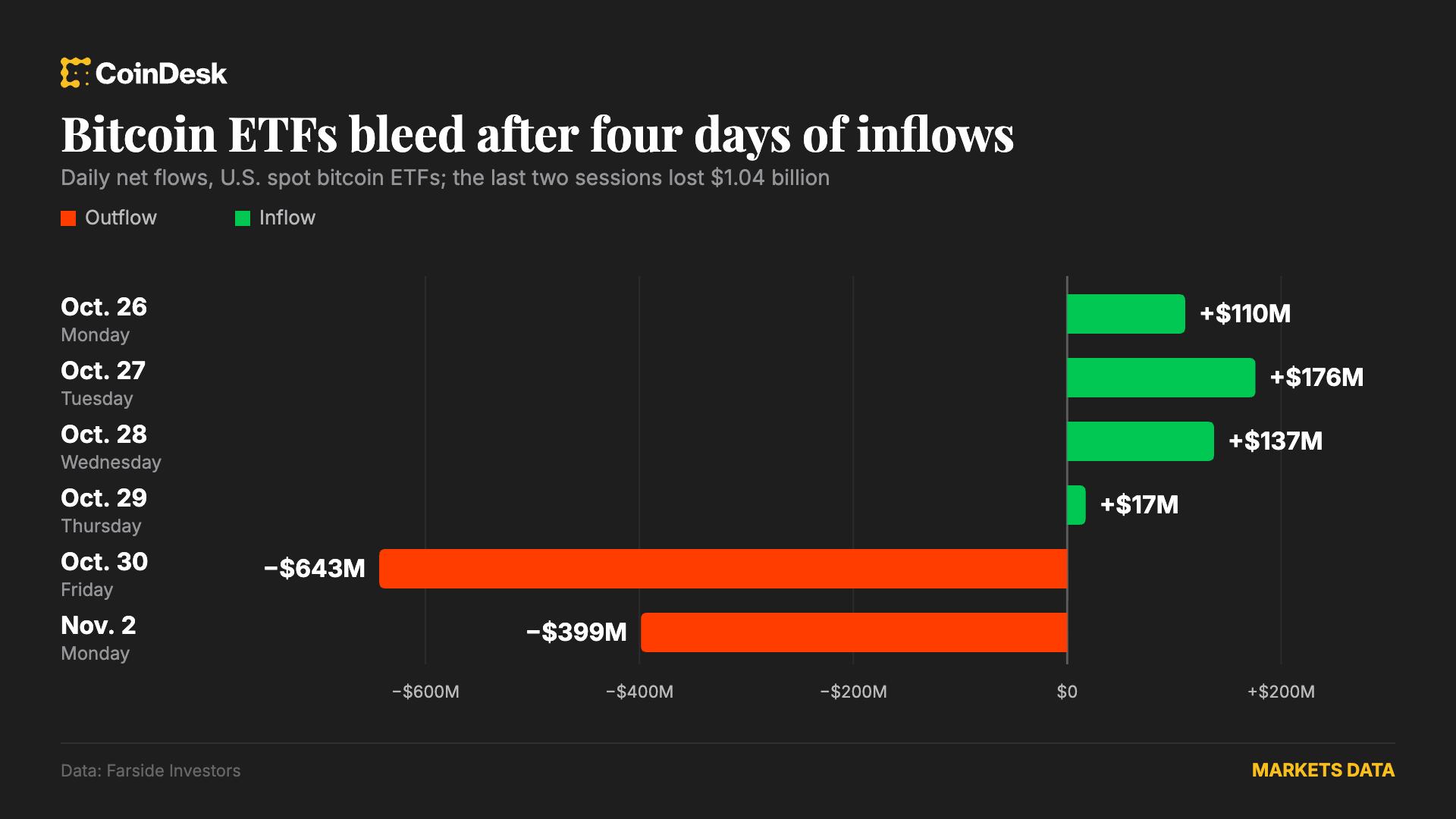
In March 2026, Bitcoin’s price edged up 0.2% to around $76,900 after a brief dip to $76,300. The movement coincided with spot Bitcoin ETFs losing $399 million for a second consecutive day and Binance customers withdrawing a net $4.72 billion. The outflows forced the ETFs to sell Bitcoin, adding short‑term selling pressure, while the broader market’s reaction kept the price relatively stable.
What It Means for You
If you earn crypto through mining, staking, or cloud‑based rewards, ETF activity can affect the value of the coins you receive. Large outflows may cause a temporary dip, reducing the fiat value of your earnings. On the other hand, sustained inflows can lift prices, increasing the purchasing power of your rewards.
Because ETFs trade on regulated exchanges, their price movements are often reflected quickly in mainstream market data. Monitoring ETF inflows and outflows gives you an additional signal about market sentiment, complementing on‑chain metrics like hash rate or transaction volume.
How to Evaluate ETF‑Related Risks
- Check the fund’s structure. Physically‑backed ETFs actually hold Bitcoin, while synthetic ETFs rely on derivatives. Synthetic products may carry counter‑party risk.
- Watch daily net flows. Most financial news sites publish the amount of money entering or leaving a fund each day. Consistent outflows can signal waning confidence.
- Consider the redemption policy. Some ETFs allow large investors to redeem shares for Bitcoin directly, which can cause sudden market impact.
- Look at the expense ratio. Higher fees reduce the net return you would get from holding the ETF versus holding Bitcoin yourself.
FAQ
Do Bitcoin ETFs affect the price of Bitcoin itself?
Yes. When an ETF buys Bitcoin, it adds demand and can lift prices. When it sells, it adds supply and can push prices down, especially if the volume is large relative to the market.
Can I invest in a Bitcoin ETF without owning any Bitcoin?
Absolutely. Buying ETF shares gives you exposure to Bitcoin’s price movements without managing a private key or a wallet.
Are Bitcoin ETFs safer than holding Bitcoin directly?
They are regulated and held by custodians, which reduces the risk of loss from personal security mistakes. However, they introduce other risks such as management fees, custody risk, and potential counter‑party exposure in synthetic products.
Will ETF inflows or outflows change my daily earnings from cloud mining?
They can influence the market price of Bitcoin, which directly affects the fiat value of any rewards you receive. Tracking ETF flows helps you anticipate short‑term price shifts that may impact your earnings.
This article references reporting from coindesk.com.





